
Holi 2026; Colours Beyond Boundaries: The Role Of Holi In Promoting Social Harmony Across Communities

Holi 2026: From Tradition To Togetherness; How Holi Continues To Build Bridges Across Society: Holi, widely celebrated as the festival of colours, holds a deeper meaning beyond vibrant powders and festive music. Rooted in ancient Indian festival traditions , it symbolises the triumph of good over evil and the arrival of spring. Yet its enduring relevance lies in its power to bring people together across social, economic and cultural boundaries. In a country as diverse as India, festivals often act as bridges between communities. Holi social harmony is not merely symbolic; it is experienced through shared laughter, open courtyards and collective celebration that dissolves visible and invisible divides.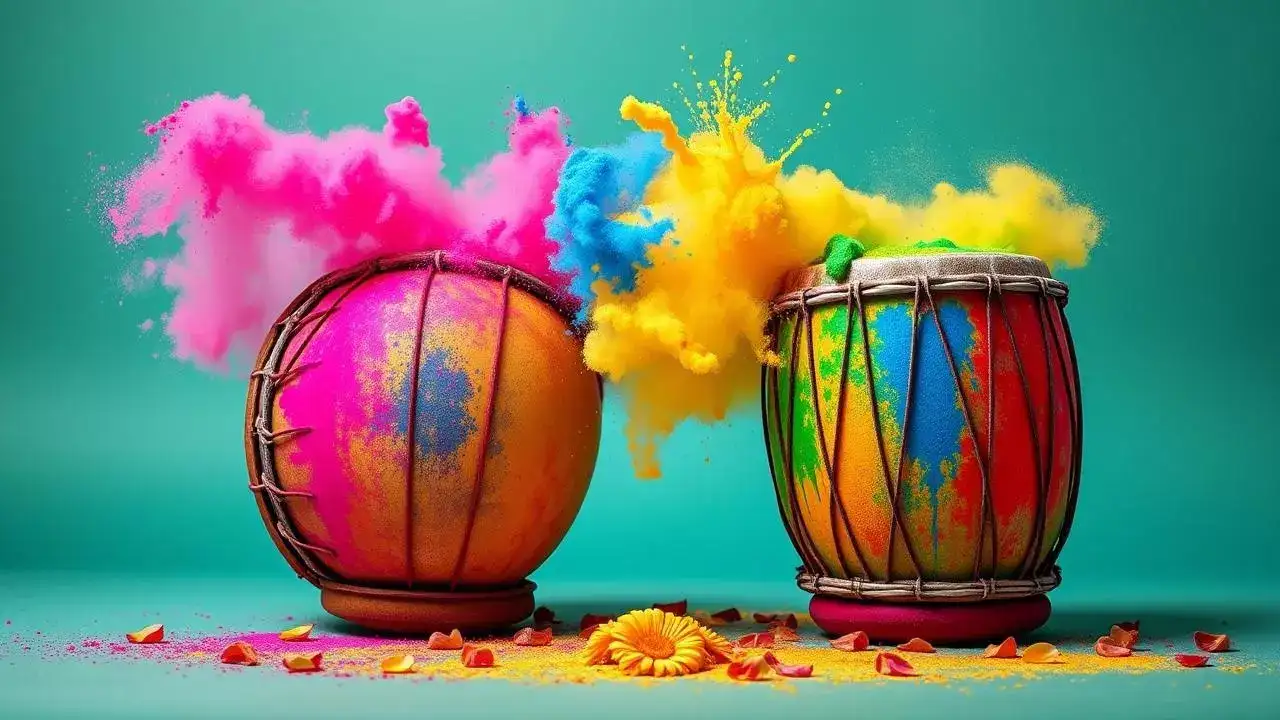
The act of applying colour carries a symbolic message. During Holi, distinctions of status, profession and hierarchy temporarily recede. Friends, neighbours and even strangers exchange colours with smiles and greetings. This gesture represents equality and shared humanity.
The inclusive spirit of Holi encourages interaction between communities that may otherwise remain socially distant. In many neighbourhoods, residents organise collective celebrations, inviting participation from all households. Such gatherings strengthen community bonding Holi is known for.
In workplaces, educational institutions and residential societies, Holi celebrations often include group events where colleagues and students interact freely. Hierarchical barriers are temporarily eased as everyone participates in music, dance and colour play.
This shared participation fosters empathy. When people laugh, sing and celebrate together, differences in background become less pronounced. Holi social harmony grows from these small but meaningful moments of collective joy.
Interfaith participation strengthens mutual respect and understanding. When families visit one another during Holi, exchange sweets and share greetings, they reaffirm bonds that transcend religious identity.
Cultural exchange also occurs through regional variations in celebration. From traditional folk songs in northern India to community gatherings in western and central regions, Holi adapts to local customs while preserving its core message of unity. This adaptability enhances its role as a festival of unity India continues to cherish.
In urban centres, modern Holi parties may include organised events in housing complexes or public venues. Despite evolving formats, the focus on community bonding Holi encourages remains central. Neighbours who may rarely interact during busy schedules come together for at least one day of shared festivity.
Such interactions can improve social cohesion. Familiarity built during festivals can translate into cooperation and mutual support throughout the year.
Community initiatives sometimes use Holi as an opportunity to promote social causes, organise charitable events or encourage environmentally responsible practices. These efforts align festive energy with broader societal goals, reinforcing the festival’s constructive role.
By encouraging open interaction and collective responsibility, Holi cultural significance evolves in ways that reflect contemporary values while honouring tradition.
This symbolism reinforces the idea that beneath surface differences, people share common humanity. The simple act of colouring one another becomes a metaphor for acceptance and belonging.
Music and dance further amplify this sense of equality. As participants move together to rhythmic beats, personal inhibitions often dissolve. Collective celebration becomes a powerful expression of social harmony.
Organised community events, awareness campaigns and thoughtful planning can help maintain a safe environment for all participants. By aligning festive enthusiasm with mutual respect, communities safeguard the festival’s unifying purpose.
Holi’s enduring strength lies not only in its colours but in its capacity to connect. In a rapidly changing society, the festival continues to serve as a reminder that unity can emerge from diversity. Through shared laughter, open doors and collective celebration, Holi reinforces the bonds that hold communities together.
In this way, the role of Holi in promoting social harmony extends far beyond a single day of celebration. It becomes a living tradition that nurtures empathy, inclusion and togetherness, reminding society that differences can be embraced within a shared spectrum of colour and joy.
Holi As A Festival Of Unity In Diversity
India’s diversity is reflected in its languages, religions, customs and regional identities. Amid this complexity, Holi emerges as a festival of unity India can proudly claim. Regardless of background, people step into public spaces to celebrate together.The act of applying colour carries a symbolic message. During Holi, distinctions of status, profession and hierarchy temporarily recede. Friends, neighbours and even strangers exchange colours with smiles and greetings. This gesture represents equality and shared humanity.
The inclusive spirit of Holi encourages interaction between communities that may otherwise remain socially distant. In many neighbourhoods, residents organise collective celebrations, inviting participation from all households. Such gatherings strengthen community bonding Holi is known for.
Breaking Social Barriers Through Shared Celebration
Historically, festivals have provided opportunities to soften rigid social structures. Holi cultural significance includes its ability to challenge formalities and promote openness. The playful atmosphere allows individuals to connect in ways that everyday routines may not permit.In workplaces, educational institutions and residential societies, Holi celebrations often include group events where colleagues and students interact freely. Hierarchical barriers are temporarily eased as everyone participates in music, dance and colour play.
This shared participation fosters empathy. When people laugh, sing and celebrate together, differences in background become less pronounced. Holi social harmony grows from these small but meaningful moments of collective joy.
Interfaith Participation And Cultural Exchange
Although Holi has Hindu mythological roots, it is widely celebrated by people of various faiths across India. In many towns and cities, members of different religious communities join the festivities, reflecting the inclusive festivals India is known for.Interfaith participation strengthens mutual respect and understanding. When families visit one another during Holi, exchange sweets and share greetings, they reaffirm bonds that transcend religious identity.
Cultural exchange also occurs through regional variations in celebration. From traditional folk songs in northern India to community gatherings in western and central regions, Holi adapts to local customs while preserving its core message of unity. This adaptability enhances its role as a festival of unity India continues to cherish.
Community Bonding In Urban And Rural Settings
In rural areas, Holi often involves collective rituals, bonfires and village wide celebrations. These gatherings reinforce communal ties and shared heritage. Elders, adults and children participate together, strengthening generational connections.In urban centres, modern Holi parties may include organised events in housing complexes or public venues. Despite evolving formats, the focus on community bonding Holi encourages remains central. Neighbours who may rarely interact during busy schedules come together for at least one day of shared festivity.
Such interactions can improve social cohesion. Familiarity built during festivals can translate into cooperation and mutual support throughout the year.
Holi As A Platform For Inclusion
Holi social harmony extends to promoting inclusivity across gender and age groups. Women, men and children actively participate in celebrations, often in shared public spaces. The festival’s playful character can help create an environment where participation feels open and collective.You may also like
- Former Bengal DGP Rajeev Kumar sends defamation notice to Sukanta Majumdar
- Ex-India Coach Issues Warning To Indian Team, Asks To Improve In This Department Or….
- New HCL-Foxconn plant will boost India's global chip presence: PM Modi
- Amit Shah lays foundation stone of headquarters of 10th Battalion of Assam Police in Kamrup
- World's oldest bodybuilder, 93, still trains three days every week: His 3 simple rules for longevity and strength
Community initiatives sometimes use Holi as an opportunity to promote social causes, organise charitable events or encourage environmentally responsible practices. These efforts align festive energy with broader societal goals, reinforcing the festival’s constructive role.
By encouraging open interaction and collective responsibility, Holi cultural significance evolves in ways that reflect contemporary values while honouring tradition.
The Symbolism Of Colour And Equality
The colours used during Holi carry symbolic meaning. When applied, they temporarily mask visible distinctions such as attire, social markers or external status. In this shared palette, individuals appear similar, united by the same vibrant hues.This symbolism reinforces the idea that beneath surface differences, people share common humanity. The simple act of colouring one another becomes a metaphor for acceptance and belonging.
Music and dance further amplify this sense of equality. As participants move together to rhythmic beats, personal inhibitions often dissolve. Collective celebration becomes a powerful expression of social harmony.
Preserving The Spirit Of Harmony In Changing Times
As celebrations evolve, it remains important to preserve the spirit that defines Holi social harmony. Respectful conduct, consent and consideration for others ensure that the festival remains inclusive and welcoming.Organised community events, awareness campaigns and thoughtful planning can help maintain a safe environment for all participants. By aligning festive enthusiasm with mutual respect, communities safeguard the festival’s unifying purpose.
Holi’s enduring strength lies not only in its colours but in its capacity to connect. In a rapidly changing society, the festival continues to serve as a reminder that unity can emerge from diversity. Through shared laughter, open doors and collective celebration, Holi reinforces the bonds that hold communities together.
In this way, the role of Holi in promoting social harmony extends far beyond a single day of celebration. It becomes a living tradition that nurtures empathy, inclusion and togetherness, reminding society that differences can be embraced within a shared spectrum of colour and joy.






More from our partners


Loving Newspoint? Download the app now
