
Common Kitchen Habits That Harm Your Health More Than You Think In Everyday Life

The kitchen is often associated with nourishment, comfort and care, yet it is also where many unnoticed health mistakes begin. Interestingly, the most harmful routines are not always dramatic or visibly dirty. They are usually the quiet habits that slip into daily life because they save time, reduce effort or simply feel normal after years of repetition.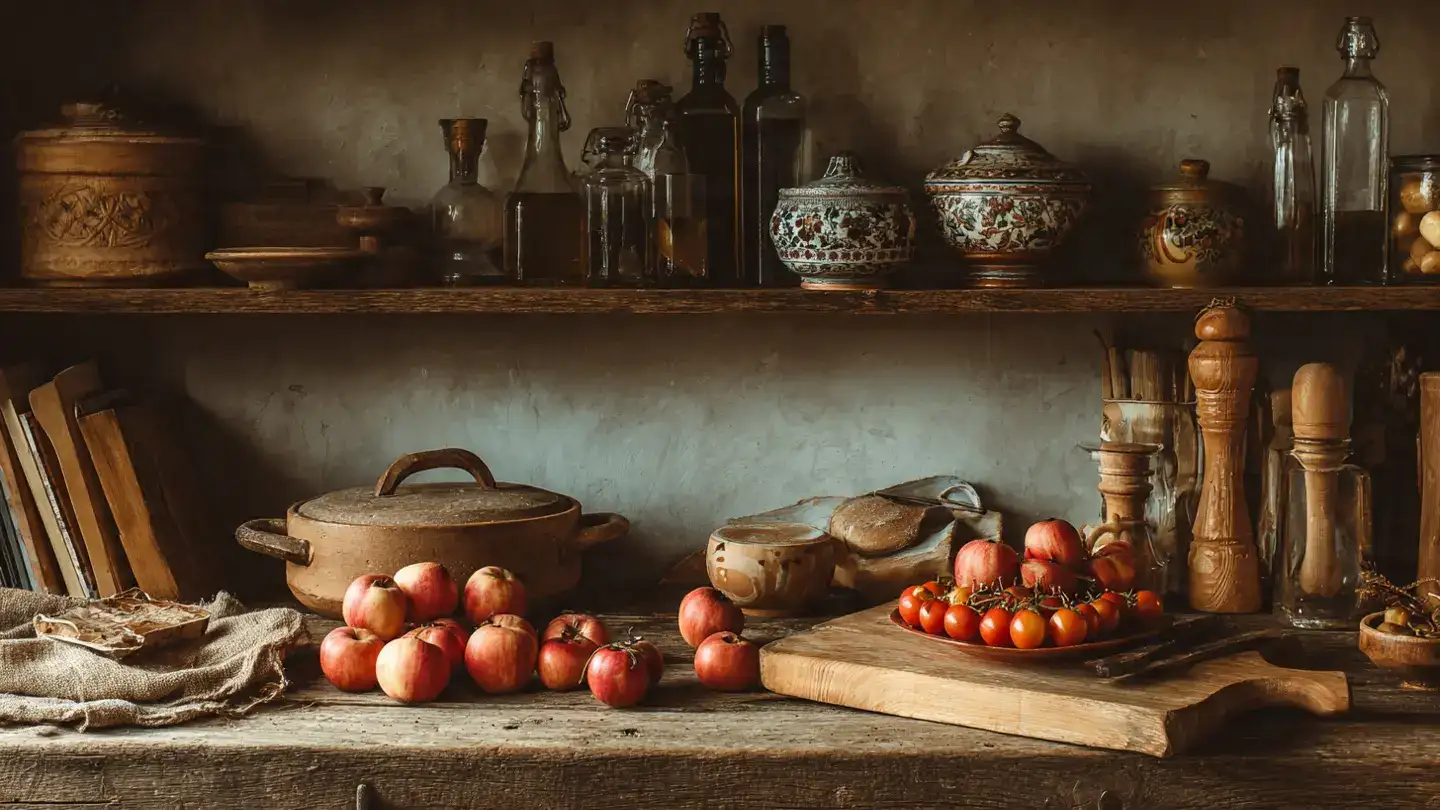
What makes these habits dangerous is not only the immediate hygiene risk but the slow impact they can have on nutrition quality, digestion, chemical exposure and long-term lifestyle health. A kitchen may look spotless on the outside while still encouraging practices that quietly work against wellbeing. Recognising these patterns is the first step towards creating a healthier home environment without making cooking feel stressful or restrictive.
Many households save leftover oil after frying snacks, fish or vegetables and use it again the next day. While it may seem economical, reheated oil begins to break down. Over time, it can produce harmful compounds that may increase inflammation in the body and place unnecessary stress on heart health.
A better habit is to use fresh oil in moderate quantities and avoid deep frying foods too frequently. If oil must be reused, it should be limited and never heated repeatedly over several days.
Heat can cause certain plastics, especially older or low-quality ones, to release unwanted chemicals into the food. This becomes more concerning when the same containers are used for oily curries, acidic gravies or repeated microwave reheating.
Allowing food to cool slightly before transferring it into glass or steel containers is a much safer choice. This small shift improves both food hygiene tips and long-term kitchen wellness.
Many people soak cut fruits and chopped vegetables for too long, believing it makes them cleaner. In reality, prolonged soaking after cutting can lead to nutrient loss, especially water-soluble vitamins such as vitamin C and certain B vitamins.
The healthier approach is to wash fruits and vegetables before cutting them, rinse thoroughly under running water and avoid soaking chopped pieces unless required for specific ingredients.
Many households keep spice jars, cooking oils and nuts right beside the stove for easy access. Constant heat exposure slowly affects flavour, freshness and nutritional quality. Oils may oxidise faster, while spices can lose potency and aroma long before their expected shelf life.
Since spices are central to healthy cooking habits , keeping them in a cool, dry cabinet away from direct heat helps preserve both taste and their natural beneficial compounds.
One common pattern is frequent nibbling while cooking — tasting gravy multiple times, eating fried bits directly from the pan or snacking on chopped ingredients mindlessly. By the time the meal is served, a significant amount of food may already have been consumed without awareness.
This routine can contribute to overeating, poor portion control and disrupted hunger signals. Being mindful of these small bites can support healthier kitchen wellness tips and better digestion.
Trapped moisture inside cabinets can create an ideal environment for bacterial growth, unpleasant odours and even mould in wooden shelves. Over time, plates, spoons and containers stored in these spaces may carry invisible contamination despite looking clean.
Allowing utensils to air dry completely before storage is one of the simplest food hygiene tips that improves kitchen safety.
However, many of these products are highly processed and may contain hidden sugars, sodium, preservatives and stabilisers. This is one of the most misleading common kitchen habits because the choices feel health-conscious.
Building meals around fresh ingredients such as curd, fruits, lentils, whole grains and nuts usually supports better nutrition than depending on convenience-labelled foods.
A healthier kitchen is not about perfection or expensive appliances. It comes from awareness — how oil is used, how food is stored, where ingredients are kept and how mindfully meals are prepared.
Once these common kitchen habits are corrected, the kitchen becomes more than a cooking space. It turns into a place that actively supports long-term health, better eating behaviour and safer daily living.
Image Courtesy: Meta AI
What makes these habits dangerous is not only the immediate hygiene risk but the slow impact they can have on nutrition quality, digestion, chemical exposure and long-term lifestyle health. A kitchen may look spotless on the outside while still encouraging practices that quietly work against wellbeing. Recognising these patterns is the first step towards creating a healthier home environment without making cooking feel stressful or restrictive.
Reusing Cooking Oil More Than Necessary
One of the most common kitchen habits that harm your health is repeatedly reheating the same cooking oil.Many households save leftover oil after frying snacks, fish or vegetables and use it again the next day. While it may seem economical, reheated oil begins to break down. Over time, it can produce harmful compounds that may increase inflammation in the body and place unnecessary stress on heart health.
A better habit is to use fresh oil in moderate quantities and avoid deep frying foods too frequently. If oil must be reused, it should be limited and never heated repeatedly over several days.
Storing Hot Food Directly In Plastic Containers
A habit that feels convenient but may create hidden kitchen health mistakes is transferring steaming hot food directly into plastic boxes.Heat can cause certain plastics, especially older or low-quality ones, to release unwanted chemicals into the food. This becomes more concerning when the same containers are used for oily curries, acidic gravies or repeated microwave reheating.
Allowing food to cool slightly before transferring it into glass or steel containers is a much safer choice. This small shift improves both food hygiene tips and long-term kitchen wellness.
Overwashing Fruits And Vegetables
Washing produce is essential, but overwashing can become one of those unsafe kitchen routines people rarely question.Many people soak cut fruits and chopped vegetables for too long, believing it makes them cleaner. In reality, prolonged soaking after cutting can lead to nutrient loss, especially water-soluble vitamins such as vitamin C and certain B vitamins.
The healthier approach is to wash fruits and vegetables before cutting them, rinse thoroughly under running water and avoid soaking chopped pieces unless required for specific ingredients.
Keeping Spices And Oils Too Close To Heat
A kitchen can be clean and still support poor food quality if ingredients are stored incorrectly.Many households keep spice jars, cooking oils and nuts right beside the stove for easy access. Constant heat exposure slowly affects flavour, freshness and nutritional quality. Oils may oxidise faster, while spices can lose potency and aroma long before their expected shelf life.
Since spices are central to healthy cooking habits , keeping them in a cool, dry cabinet away from direct heat helps preserve both taste and their natural beneficial compounds.
Eating While Cooking Without Tracking Portions
Not all harmful habits are about contamination. Some affect overall eating behaviour.One common pattern is frequent nibbling while cooking — tasting gravy multiple times, eating fried bits directly from the pan or snacking on chopped ingredients mindlessly. By the time the meal is served, a significant amount of food may already have been consumed without awareness.
This routine can contribute to overeating, poor portion control and disrupted hunger signals. Being mindful of these small bites can support healthier kitchen wellness tips and better digestion.
Letting Wet Utensils Stay In Closed Cabinets
Putting away utensils that are not fully dry is another overlooked issue.Trapped moisture inside cabinets can create an ideal environment for bacterial growth, unpleasant odours and even mould in wooden shelves. Over time, plates, spoons and containers stored in these spaces may carry invisible contamination despite looking clean.
You may also like
- Thymus Gland Health: This tiny organ prolongs your lifespan; this revelation will blow your mind.
- New player in the Biryani world and it's not from Hyderabad
- Secret ingredient to romantic chemistry: Hidden attraction factor that can make or break your next date
- Excessive hair loss may suddenly occur, this disease may be hidden in the body.
- Revitalize Your Skin with Homemade Coffee Body Scrubs
Allowing utensils to air dry completely before storage is one of the simplest food hygiene tips that improves kitchen safety.
Depending Too Much On “Healthy” Packaged Foods
Modern kitchens often contain granola bars, flavoured oats, ready soups, bottled smoothies and low-fat dressings that appear healthy at first glance.However, many of these products are highly processed and may contain hidden sugars, sodium, preservatives and stabilisers. This is one of the most misleading common kitchen habits because the choices feel health-conscious.
Building meals around fresh ingredients such as curd, fruits, lentils, whole grains and nuts usually supports better nutrition than depending on convenience-labelled foods.
A Healthy Kitchen Is Built On Smarter Daily Habits
The habits that affect health the most are rarely the loudest ones. They are usually the repeated shortcuts and unconscious routines that slowly shape the nutritional quality and hygiene of every meal.A healthier kitchen is not about perfection or expensive appliances. It comes from awareness — how oil is used, how food is stored, where ingredients are kept and how mindfully meals are prepared.
Once these common kitchen habits are corrected, the kitchen becomes more than a cooking space. It turns into a place that actively supports long-term health, better eating behaviour and safer daily living.
Image Courtesy: Meta AI






More from our partners


Loving Newspoint? Download the app now
