
Common Pet Bird Illnesses And How To Spot Early Warning Signs Before It Becomes Serious

Pet birds are naturally skilled at masking illness. In the wild, showing weakness can make them vulnerable to predators, and this instinct continues even in domesticated environments. This makes it difficult for owners to recognise when something is wrong.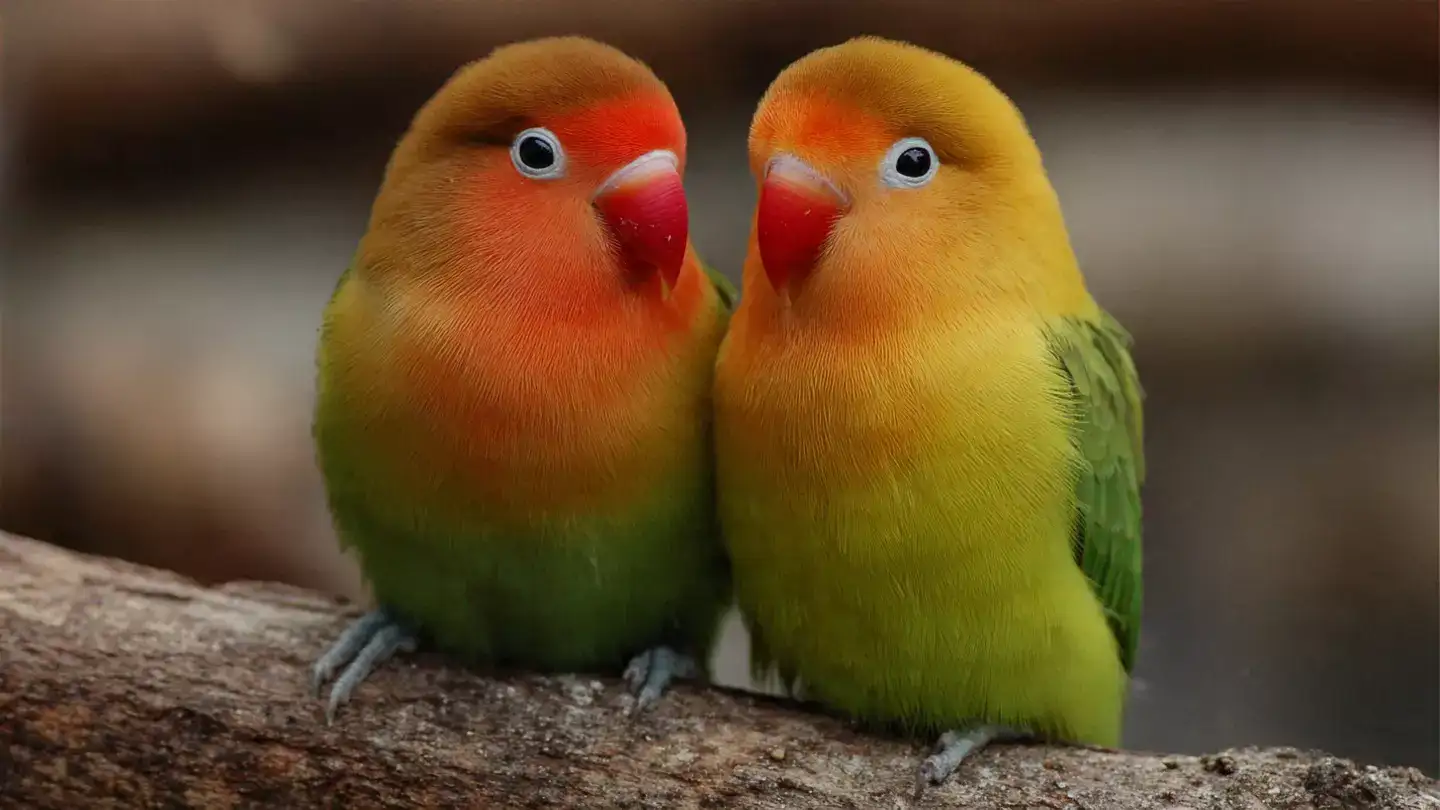
Understanding common pet bird illnesses and observing subtle behavioural changes can make a significant difference. Early detection not only improves the chances of recovery but also reduces the risk of complications. A proactive approach to bird health signs is essential for responsible ownership.
Digestive issues are also common and may result from poor diet or contaminated food. Birds may experience diarrhoea or changes in droppings, which can indicate underlying health problems.
Another concern is feather-related disorders, such as feather plucking or abnormal moulting. These may be linked to stress, nutritional deficiencies or medical conditions.
Parasitic infections, both internal and external, can also affect birds. These infections may not always be visible initially but can weaken the bird over time.
One of the earliest indicators is a change in behaviour. A normally active bird becoming quiet or withdrawn can be a red flag. Loss of appetite or sudden weight loss is another critical sign.
Changes in droppings are particularly important. Unusual colour, consistency or frequency can signal digestive or systemic issues. Laboured breathing, tail bobbing or frequent sneezing may indicate respiratory problems.
Physical changes such as fluffed-up feathers, dull eyes or discharge from the beak or nostrils should also be taken seriously. These are often early warning signs that require immediate attention.
Environmental conditions also play a crucial role. Exposure to smoke, dust or strong fumes can harm a bird’s respiratory system. Inadequate cage hygiene can lead to bacterial and fungal infections.
Stress is another significant factor. Sudden changes in environment, lack of social interaction or overcrowding can negatively impact a bird’s health. Understanding these causes helps in preventing many common issues.
Cleanliness should be a priority. Regularly cleaning the cage, food bowls and water containers reduces the risk of infections. Ensuring proper ventilation and avoiding exposure to harmful substances can protect your bird’s respiratory health.
Regular observation is key. Spending time with your bird daily allows you to notice any unusual changes early. Routine check-ups with an avian veterinarian can also help detect hidden health issues.
Providing mental stimulation through toys and interaction can reduce stress and improve overall wellbeing.
Delaying treatment can worsen the condition, as birds tend to deteriorate quickly once symptoms become visible. Early medical intervention can significantly improve outcomes.
Owners should trust their instincts. If something feels off, it is always better to err on the side of caution.
By understanding early signs, maintaining a clean environment and ensuring proper nutrition, owners can create a safe and healthy space for their pets. The effort invested in early detection and prevention not only enhances the bird’s quality of life but also strengthens the bond between pet and owner.
In the end, attentive care and informed observation remain the most effective tools in keeping pet birds healthy and happy.
Image Courtesy: Meta AI
Understanding common pet bird illnesses and observing subtle behavioural changes can make a significant difference. Early detection not only improves the chances of recovery but also reduces the risk of complications. A proactive approach to bird health signs is essential for responsible ownership.
Common Pet Bird Illnesses To Be Aware Of
There are several pet bird diseases that owners should keep in mind. Respiratory infections are among the most frequent, often caused by bacteria, viruses or poor air quality. These can quickly become serious if left untreated.Digestive issues are also common and may result from poor diet or contaminated food. Birds may experience diarrhoea or changes in droppings, which can indicate underlying health problems.
Another concern is feather-related disorders, such as feather plucking or abnormal moulting. These may be linked to stress, nutritional deficiencies or medical conditions.
Parasitic infections, both internal and external, can also affect birds. These infections may not always be visible initially but can weaken the bird over time.
Subtle Symptoms In Birds You Should Never Ignore
Recognising symptoms in birds requires close attention to detail. Unlike other pets, birds do not always display obvious signs of illness.One of the earliest indicators is a change in behaviour. A normally active bird becoming quiet or withdrawn can be a red flag. Loss of appetite or sudden weight loss is another critical sign.
Changes in droppings are particularly important. Unusual colour, consistency or frequency can signal digestive or systemic issues. Laboured breathing, tail bobbing or frequent sneezing may indicate respiratory problems.
Physical changes such as fluffed-up feathers, dull eyes or discharge from the beak or nostrils should also be taken seriously. These are often early warning signs that require immediate attention.
Causes Behind Bird Health Issues
Several factors can contribute to common pet bird illnesses. Poor nutrition is one of the leading causes. A diet lacking essential vitamins and minerals can weaken the immune system, making birds more susceptible to disease.Environmental conditions also play a crucial role. Exposure to smoke, dust or strong fumes can harm a bird’s respiratory system. Inadequate cage hygiene can lead to bacterial and fungal infections.
Stress is another significant factor. Sudden changes in environment, lack of social interaction or overcrowding can negatively impact a bird’s health. Understanding these causes helps in preventing many common issues.
Preventive Bird Care Tips For Better Health
Prevention is always better than cure when it comes to pet bird diseases. Maintaining a balanced diet is essential. Fresh fruits, vegetables and high-quality bird feed can provide necessary nutrients.You may also like
- 10 Hidden Avatars of Hanuman That Reveal Shocking Spiritual Powers
- Is shampoo ginger aka awapuhi good for hair? Here's why it's going viral
- How this woman tuned pain into her strength: Deepa Malik's journey from paralysis to Paralympic podium and lan abiding lesson to learn from her
- Effortless Way to Clean Your Water Tank with Just ₹10
- Inside the facility: How transparency in manufacturing builds trust through science and hygiene standards
Cleanliness should be a priority. Regularly cleaning the cage, food bowls and water containers reduces the risk of infections. Ensuring proper ventilation and avoiding exposure to harmful substances can protect your bird’s respiratory health.
Regular observation is key. Spending time with your bird daily allows you to notice any unusual changes early. Routine check-ups with an avian veterinarian can also help detect hidden health issues.
Providing mental stimulation through toys and interaction can reduce stress and improve overall wellbeing.
When To Seek Veterinary Help
Knowing when to consult a professional is crucial. If your bird shows persistent symptoms such as lethargy, breathing difficulties or loss of appetite, it is important to seek veterinary care immediately.Delaying treatment can worsen the condition, as birds tend to deteriorate quickly once symptoms become visible. Early medical intervention can significantly improve outcomes.
Owners should trust their instincts. If something feels off, it is always better to err on the side of caution.
The Role Of Awareness In Bird Ownership
Awareness about common pet bird illnesses empowers owners to provide better care. Birds may be small, but their health needs are complex and require attention.By understanding early signs, maintaining a clean environment and ensuring proper nutrition, owners can create a safe and healthy space for their pets. The effort invested in early detection and prevention not only enhances the bird’s quality of life but also strengthens the bond between pet and owner.
In the end, attentive care and informed observation remain the most effective tools in keeping pet birds healthy and happy.
Image Courtesy: Meta AI






More from our partners


Loving Newspoint? Download the app now
