
Common Reasons for Feeling Hot During Pregnancy


Feeling hot during pregnancy can feel absolutely exhausting. You might be sitting quietly, minding your own business, and suddenly you feel like someone turned up the temperature inside your body. It can feel irritating and confusing, and sometimes you may even wonder if something is wrong. If this sounds like what you are going through, you are not the only one.
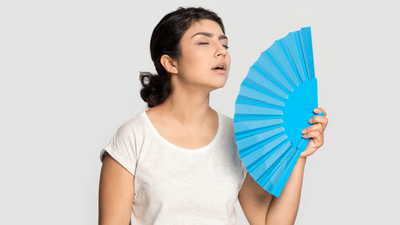
Your body is doing a lot of extra work right now to grow your baby. All this activity naturally produces more heat, and you feel it intensely because your body is more sensitive than usual. It is not in your head. Your body really is warmer than before. When you understand what is happening inside your body, it becomes easier to handle.
Why Does Pregnancy Make You Feel Warm?
Pregnancy changes raise your internal temperature, making you feel warmer than usual. These are the key reasons behind it:
What Other Factors Can Increase Body Heat During Pregnancy?
Apart from the normal physical changes of pregnancy, certain conditions can make you feel even hotter than usual:
What are the Signs of Overheating During Pregnancy?
Feeling warm in pregnancy is normal, but there are certain symptoms that signal your body is getting too hot:
What are the Risks of Feeling Hot During Pregnancy?
Consistently high body temperatures during pregnancy can pose certain risks:
Feeling hot during pregnancy is common, but it does not have to control your day. With simple changes and an awareness of your body’s limits, you can stay comfortable even in warmer weather!
Whether you’re pregnant, a new mom, or navigating postpartum, you don’t have to do it alone. Join our support group to connect, share, and support one another.
FAQs on Common Reasons for Feeling Hot During PregnancyCan sleeping positions make me feel hotter at night?
Yes. Certain positions, especially sleeping on your side on a soft or heat-retaining mattress, can trap body heat.Do prenatal vitamins make you feel hot?
Some prenatal vitamins, especially those high in iron, may slightly increase metabolism and cause a warm feeling in some people.
Your body is doing a lot of extra work right now to grow your baby. All this activity naturally produces more heat, and you feel it intensely because your body is more sensitive than usual. It is not in your head. Your body really is warmer than before. When you understand what is happening inside your body, it becomes easier to handle.
Why Does Pregnancy Make You Feel Warm?
Pregnancy changes raise your internal temperature, making you feel warmer than usual. These are the key reasons behind it:
- Hormonal Changes Increase Body Temperature
- Higher Blood Volume and Faster Heart Rate
- Widening of Blood Vessels Near the Skin
- Baby’s Heat Adds to Your Body Temperature
- Extra Pregnancy Weight Insulates the Body
What Other Factors Can Increase Body Heat During Pregnancy?
Apart from the normal physical changes of pregnancy, certain conditions can make you feel even hotter than usual:
- Warm and Humid Weather
- Carrying Twins or Multiples
- Thyroid Issues or Gestational Diabetes
What are the Signs of Overheating During Pregnancy?
Feeling warm in pregnancy is normal, but there are certain symptoms that signal your body is getting too hot:
- Warm or unusually pale skin: Skin that feels hot or sticky, or turns pale and cool, can indicate that your body is struggling to maintain a stable temperature.
- Persistent headache or dizziness: A headache that does not ease quickly or sudden dizziness that makes standing difficult are common early warning signs of heat stress.
- Heavy sweating and extreme fatigue: Sweating more than usual, especially if your clothes become soaked, along with overwhelming tiredness, may suggest overheating.
- High body temperature: A temperature above 102 degrees Fahrenheit is a warning sign during pregnancy.
- Feeling faint or close to passing out: Lightheadedness or near-fainting episodes often happen when your internal temperature rises too high.
- Signs of dehydration: Dark urine, strong thirst or weakness can indicate dehydration, which reduces your ability to cool off through sweating.
- Symptoms of heat exhaustion: Fast heartbeat, rapid breathing, nausea or worsening fatigue in hot weather may point to heat exhaustion.
What are the Risks of Feeling Hot During Pregnancy?
Consistently high body temperatures during pregnancy can pose certain risks:
- Higher risk of neural tube defects in early pregnancy: During the first trimester (especially the first 7 weeks), overheating can interfere with the development of the baby’s brain and spinal cord. This may increase the risk of conditions such as spina bifida and other structural issues.
- Increased chances of miscarriage: Extreme heat exposure early in pregnancy has been linked to a higher risk of miscarriage, especially when the body is unable to cool down effectively.
- Greater chances of preterm birth: Significant overheating in early pregnancy may raise the risk of delivering early. Heat stress can affect how the uterus functions and potentially trigger early labour.
- Risk of low birth weight or stillbirth: Prolonged heat exposure at any stage of pregnancy has been associated with lower birth weights and, in severe cases, stillbirth.
- Dehydration and false contractions: Overheating often leads to dehydration, which can cause Braxton Hicks contractions, dizziness and weakness. Severe dehydration may contribute to falls or difficulty maintaining balance.
Feeling hot during pregnancy is common, but it does not have to control your day. With simple changes and an awareness of your body’s limits, you can stay comfortable even in warmer weather!
Whether you’re pregnant, a new mom, or navigating postpartum, you don’t have to do it alone. Join our support group to connect, share, and support one another.
FAQs on Common Reasons for Feeling Hot During Pregnancy
Yes. Certain positions, especially sleeping on your side on a soft or heat-retaining mattress, can trap body heat.
Some prenatal vitamins, especially those high in iron, may slightly increase metabolism and cause a warm feeling in some people.
Next Story