
Conquering the Mealtime Struggle: Delicious and Nutritious Foods for Picky Eaters With Savoury Indian Twists

Navigating the complex world of a picky eater often feels like walking through a culinary minefield. For many parents, the daily routine consists of beige plates, plain pasta, and the inevitable refusal of anything green or unfamiliar. However, introducing new flavours doesn't have to result in a standoff. By incorporating subtle Indian influences into well-loved comfort foods, you can broaden your child’s horizon without causing sensory overload. Indian cuisine is naturally rich in aromatic spices that, when used correctly, offer warmth and depth rather than heat. This approach transforms 'scary' new foods into exciting adventures, making mealtime a moment of discovery rather than a chore for the whole family.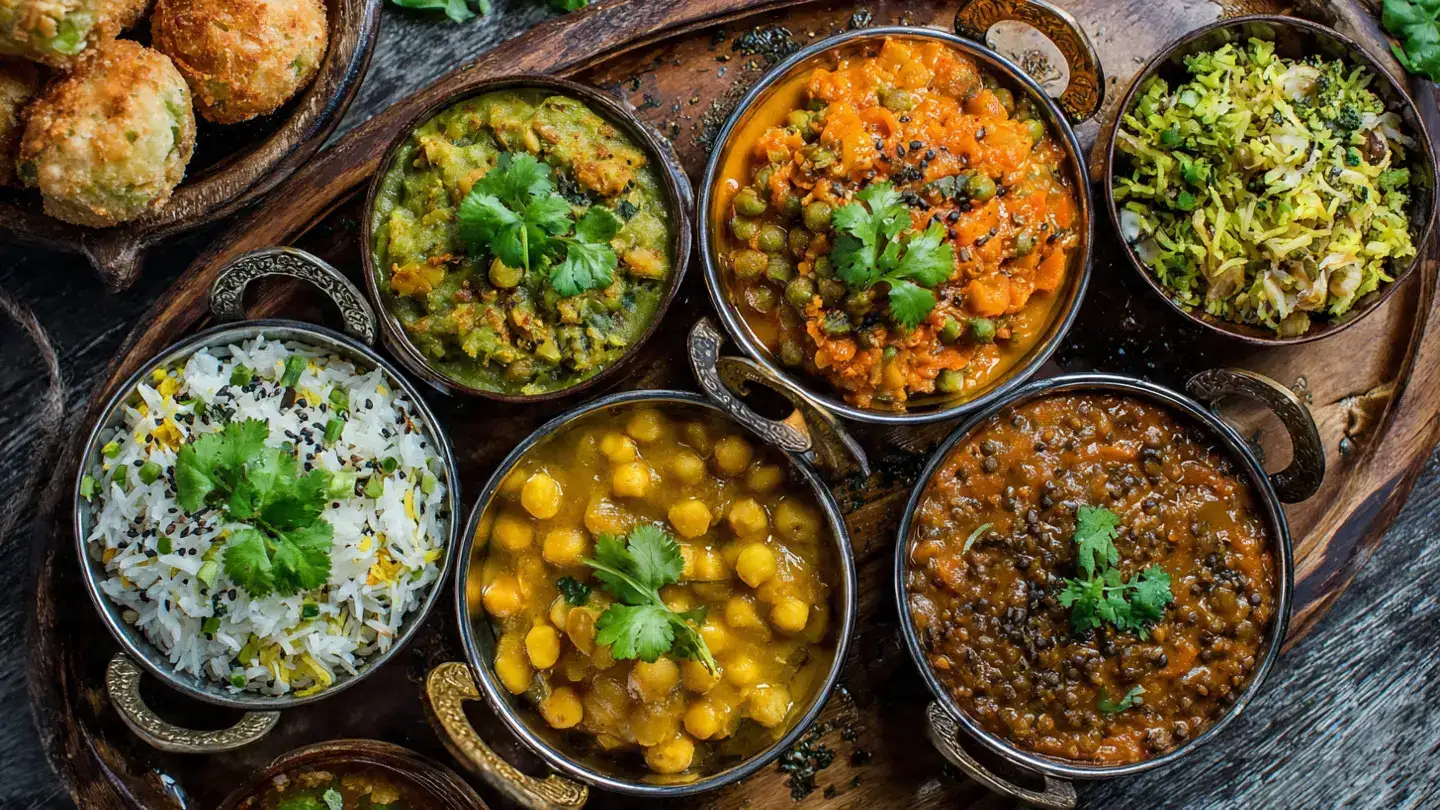
When introducing these spices, start with the aroma first. Let your child smell the cinnamon sticks or the cardamom pods before they are ground. This desensitisation process helps them feel more in control of what they are eating. By slowly shifting the flavour profile of familiar staples, you build a bridge between the bland food they trust and the more complex, nutrient-dense world of global cuisine.
Another brilliant swap is the traditional chip. Instead of plain potato wedges, try roasting sweet potato batons tossed in a tiny bit of coconut oil and mild cumin powder. These offer a natural sweetness that children naturally gravitate towards, while the cumin adds a sophisticated, smoky undertone. Serving these with a cooling mint and yogurt dip rather than sugary ketchup is a fantastic way to introduce new dipping textures that are both healthy and refreshing.
This sauce can be served over plain rice or used as a 'pizza sauce' for a fusion flatbread. By focusing on the texture, you remove the visual trigger that often causes a picky eater to shut down. When they realise they actually enjoy the taste of a 'magic orange sauce,' they become more open to the idea of eating the whole vegetables later on. It is about building a history of positive food experiences that eventually outweighs their fear of the unknown.
You can also experiment with healthy fusion recipes like 'Naan Pizzas.' Using a soft, fluffy naan as a base and topping it with mild cheese and finely chopped tinned tomatoes allows the child to interact with Indian bread in a context they already understand. These small, incremental changes help normalize different ingredients, making the transition to traditional Indian meals much smoother in the future.
Always keep the atmosphere light and involve them in the process where possible—let them sprinkle the 'yellow dust' (turmeric) or stir the 'cloudy yogurt.' When a child feels like a participant in the kitchen rather than a target of nutritional 'tricks,' they are far more likely to take that first, brave bite. Over time, these subtle Indian infusions will pave the way for a more adventurous, healthy, and happy eater who sees the entire world as their menu.
Image Courtesy: Meta AI
The Art of the Mild Spice Introduction
One of the biggest misconceptions is that Indian food is synonymous with 'hot.' In reality, the foundation of the cuisine relies on earthier, sweeter notes that are actually very palatable for children. A successful mild spice introduction involves using tiny amounts of turmeric, cumin, or ground coriander in dishes they already enjoy. For instance, adding a pinch of turmeric to scrambled eggs or macaroni cheese creates a vibrant yellow hue that looks fun while providing anti-inflammatory benefits.When introducing these spices, start with the aroma first. Let your child smell the cinnamon sticks or the cardamom pods before they are ground. This desensitisation process helps them feel more in control of what they are eating. By slowly shifting the flavour profile of familiar staples, you build a bridge between the bland food they trust and the more complex, nutrient-dense world of global cuisine.
Transforming Staples with Indian-Inspired Finger Foods
Most children find finger foods significantly more approachable than large, daunting stews. You can capitalise on this by creating Indian-inspired finger foods that mimic popular Western snacks. Instead of standard chicken nuggets, try making 'Chicken Tikka Bites' using a very mild yogurt marinade. The yogurt helps keep the meat tender—a common issue for kids who struggle with textures—while the slight tang introduces them to the world of fermented flavours.Another brilliant swap is the traditional chip. Instead of plain potato wedges, try roasting sweet potato batons tossed in a tiny bit of coconut oil and mild cumin powder. These offer a natural sweetness that children naturally gravitate towards, while the cumin adds a sophisticated, smoky undertone. Serving these with a cooling mint and yogurt dip rather than sugary ketchup is a fantastic way to introduce new dipping textures that are both healthy and refreshing.
Clever Hidden Vegetable Techniques in Fusion Cooking
If your child is particularly adept at spotting—and removing—even the smallest speck of green, Indian cooking methods offer incredible hidden vegetable techniques. A classic 'makhani' or butter sauce is essentially a smooth, blended puree of tomatoes, onions, cashews, and ginger. You can easily steam and blend carrots, butternut squash, or even red peppers into this sauce. Because the spices like cinnamon and cloves provide such a distinct aroma, the taste of the vegetables is seamlessly masked.This sauce can be served over plain rice or used as a 'pizza sauce' for a fusion flatbread. By focusing on the texture, you remove the visual trigger that often causes a picky eater to shut down. When they realise they actually enjoy the taste of a 'magic orange sauce,' they become more open to the idea of eating the whole vegetables later on. It is about building a history of positive food experiences that eventually outweighs their fear of the unknown.
Kid-Friendly Curry Alternatives and Beyond
Sometimes, the jump to a full curry is too much, so it is better to look for kid-friendly curry alternatives. 'Kitchari,' a traditional Ayurvedic dish made of rice and yellow lentils, is a perfect example. It is incredibly soft, easy to digest, and has a mild, buttery flavour that resembles a comforting porridge. For a child who prefers soft textures, this is an ideal entry point into the world of dals and legumes.You can also experiment with healthy fusion recipes like 'Naan Pizzas.' Using a soft, fluffy naan as a base and topping it with mild cheese and finely chopped tinned tomatoes allows the child to interact with Indian bread in a context they already understand. These small, incremental changes help normalize different ingredients, making the transition to traditional Indian meals much smoother in the future.
Building a Lifetime of Culinary Curiosity
Consistency and a lack of pressure are the most important ingredients in any strategy for fussy eaters. It may take ten or more exposures to a new flavour before a child decides they like it. By using Indian twists, you are providing them with a rich sensory education that many Western diets lack. You aren't just getting them to eat dinner; you are teaching them that food is a source of joy, culture, and health.Always keep the atmosphere light and involve them in the process where possible—let them sprinkle the 'yellow dust' (turmeric) or stir the 'cloudy yogurt.' When a child feels like a participant in the kitchen rather than a target of nutritional 'tricks,' they are far more likely to take that first, brave bite. Over time, these subtle Indian infusions will pave the way for a more adventurous, healthy, and happy eater who sees the entire world as their menu.
Image Courtesy: Meta AI
Next Story