
Cooking in Iron Kadai or Pan: Pros, Cons and Health Advantages

Iron cookware has been a part of traditional kitchens for generations. From making crispy dosas to frying vegetables and preparing curries, an iron kadai or pan is often considered a healthy and reliable choice. But is it truly beneficial for everyday cooking? Let’s explore the pros, cons, and health advantages in simple terms.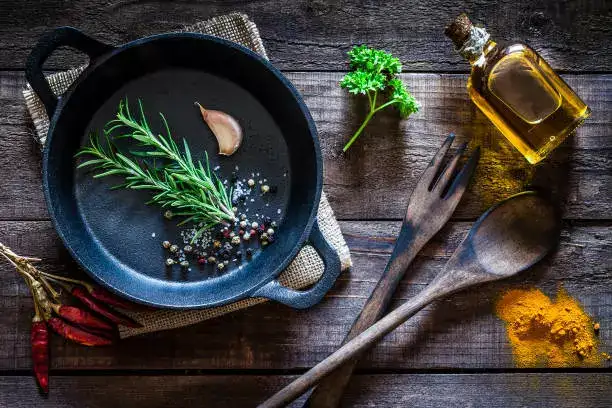
Health Advantages of Cooking in Iron Cookware
Naturally Increases Iron Intake
One of the biggest benefits of cooking in an iron kadai or pan is that it can boost the iron content of your food. When food cooks in iron utensils especially slightly acidic dishes like tomato-based gravies a small amount of iron mixes into the meal.
This can help people who have low iron levels or suffer from anemia. It’s a natural and food-based way to improve iron intake without relying entirely on supplements.
Chemical-Free Cooking
Unlike some non-stick cookware that contains synthetic coatings, iron pans are free from chemical layers. When properly seasoned, they develop a natural non-stick surface without releasing harmful fumes at high temperatures.
Excellent Heat Retention
Iron heats up slowly but retains heat for a long time. This ensures even cooking and helps in getting a perfect sear on vegetables, meats, or flatbreads. The consistent temperature also enhances flavor and texture.
Durable and Long-Lasting
With proper care, an iron kadai can last for decades even generations. Unlike many modern cookware options, iron utensils do not wear out easily.
Pros of Using an Iron Kadai or Pan
Cons of Iron Cookware
Heavy to Handle
Iron cookware is heavier compared to aluminum or non-stick pans. This may make it slightly difficult for some people to use regularly.
Requires Maintenance
Iron utensils can rust if not dried properly. They need regular seasoning with oil to maintain their surface and prevent corrosion.
Not Suitable for Long Acidic Cooking
Cooking highly acidic foods for extended periods may give a slightly metallic taste and can also wear down the seasoning layer.
Not Ideal for Excess Iron Conditions
People with medical conditions related to iron overload should consult a doctor before frequently using iron cookware.
Tips for Proper Care
Cooking in an iron kadai or pan offers several health advantages, especially for those looking to improve their iron intake naturally. It is chemical-free, durable, and enhances the taste of food.
However, it does require proper maintenance and may not be suitable for everyone. When used and cared for correctly, iron cookware can be a healthy, long-term addition to your kitchen.
Health Advantages of Cooking in Iron Cookware
Naturally Increases Iron Intake
One of the biggest benefits of cooking in an iron kadai or pan is that it can boost the iron content of your food. When food cooks in iron utensils especially slightly acidic dishes like tomato-based gravies a small amount of iron mixes into the meal.This can help people who have low iron levels or suffer from anemia. It’s a natural and food-based way to improve iron intake without relying entirely on supplements.
Chemical-Free Cooking
Unlike some non-stick cookware that contains synthetic coatings, iron pans are free from chemical layers. When properly seasoned, they develop a natural non-stick surface without releasing harmful fumes at high temperatures.Excellent Heat Retention
Iron heats up slowly but retains heat for a long time. This ensures even cooking and helps in getting a perfect sear on vegetables, meats, or flatbreads. The consistent temperature also enhances flavor and texture. Durable and Long-Lasting
With proper care, an iron kadai can last for decades even generations. Unlike many modern cookware options, iron utensils do not wear out easily.
Pros of Using an Iron Kadai or Pan
- Boosts iron content in food
- Free from harmful coatings
- Ideal for high-heat cooking
- Adds better texture and taste
- Environment-friendly and sustainable
- Extremely durable
Cons of Iron Cookware
Heavy to Handle
Iron cookware is heavier compared to aluminum or non-stick pans. This may make it slightly difficult for some people to use regularly. Requires Maintenance
Iron utensils can rust if not dried properly. They need regular seasoning with oil to maintain their surface and prevent corrosion.Not Suitable for Long Acidic Cooking
Cooking highly acidic foods for extended periods may give a slightly metallic taste and can also wear down the seasoning layer. Not Ideal for Excess Iron Conditions
People with medical conditions related to iron overload should consult a doctor before frequently using iron cookware. Tips for Proper Care
- Wash with mild soap and avoid harsh scrubbing.
- Dry immediately after washing.
- Apply a thin layer of oil before storing.
- Re-season the pan occasionally to maintain its surface.
Cooking in an iron kadai or pan offers several health advantages, especially for those looking to improve their iron intake naturally. It is chemical-free, durable, and enhances the taste of food.
However, it does require proper maintenance and may not be suitable for everyone. When used and cared for correctly, iron cookware can be a healthy, long-term addition to your kitchen.
Next Story