
Cooking or Heating Honey: What You Need To Know Before Using It

Honey isn’t just a sweetener it’s packed with enzymes, antioxidants, and antibacterial properties that make it one of nature’s healthiest foods. But how you use it can change what it offers. Heating honey the wrong way can reduce its nutritional power and even alter its natural composition.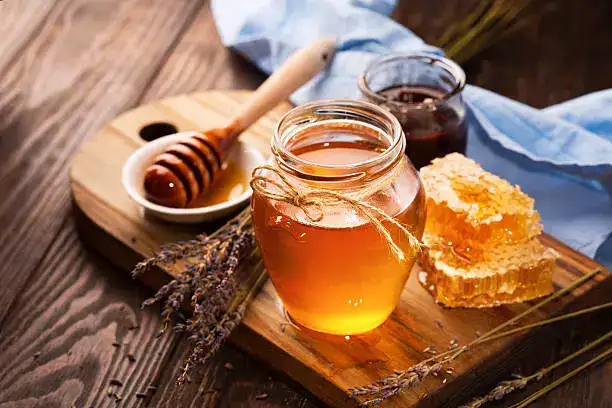
What Happens When You Heat Honey
When honey is exposed to temperatures above 40°C to 45°C, its beneficial enzymes begin to break down. Prolonged or high heat can lead to the formation of Hydroxymethylfurfural (HMF), a compound created when sugars decompose. In excessive amounts, HMF can be harmful and may impact your body’s ability to process the natural sugars in honey.
Does That Mean You Shouldn’t Cook With Honey?
Not necessarily. You can still enjoy honey in warm foods it’s all about timing. Add honey to your tea, oatmeal, or desserts only after they’ve slightly cooled. This keeps the flavor intact while protecting its health benefits. For baking, short bursts of mild heat (like in glazes or marinades) are fine, but avoid prolonged exposure to high temperatures.
How To Use Honey Safely
Honey is healthiest when handled with care. It’s best enjoyed raw or gently warmed, preserving both its golden sweetness and natural goodness. The next time you reach for that jar, remember heat less, gain more.
You may also like
- How a simple sock turns your vacuum into a treasure hunter
- The stretchy stationery staple that can save your DIY weekend
- 'Anti-ageing tan gave me holiday glow in 1 hour - friends keep asking if I've been abroad'
- Cardigans are menswear's new cool
- From stadiums to sunsets: A traveller's guide to FIFA World Cup 2026 in California
What Happens When You Heat Honey
When honey is exposed to temperatures above 40°C to 45°C, its beneficial enzymes begin to break down. Prolonged or high heat can lead to the formation of Hydroxymethylfurfural (HMF), a compound created when sugars decompose. In excessive amounts, HMF can be harmful and may impact your body’s ability to process the natural sugars in honey. Does That Mean You Shouldn’t Cook With Honey?
Not necessarily. You can still enjoy honey in warm foods it’s all about timing. Add honey to your tea, oatmeal, or desserts only after they’ve slightly cooled. This keeps the flavor intact while protecting its health benefits. For baking, short bursts of mild heat (like in glazes or marinades) are fine, but avoid prolonged exposure to high temperatures.How To Use Honey Safely
- Add honey to warm, not boiling, foods or drinks.
- Avoid cooking honey over direct high flame.
- Store honey in a cool, dry place to retain its natural enzymes.
- Choose raw or organic honey for maximum benefits.
Honey is healthiest when handled with care. It’s best enjoyed raw or gently warmed, preserving both its golden sweetness and natural goodness. The next time you reach for that jar, remember heat less, gain more.






More from our partners


Loving Newspoint? Download the app now
