
Crispy Or Crunchy? Your Guide To Perfect Snack Textures

Few joys in life rival the pleasure of indulging in crispy and crunchy snacks . From casual gatherings to quiet nights at home, these textures bring excitement and satisfaction to the table. While we often use "crispy" and "crunchy" interchangeably, they represent distinct textures with unique characteristics. Let’s explore the differences and uncover how you can achieve these textures in your kitchen.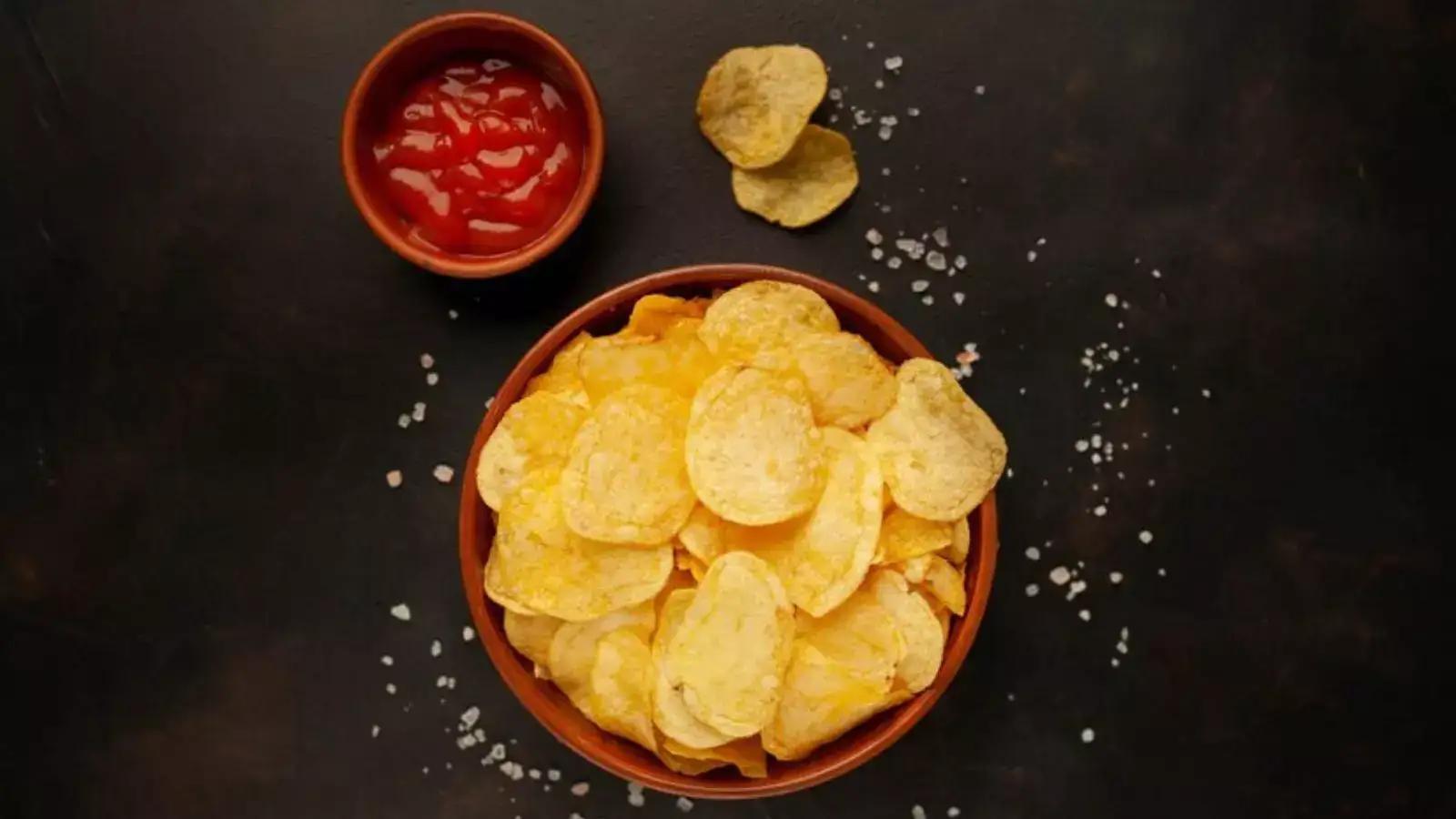
Crispy Foods: Delicate, Light, and Irresistible
Crispy foods are light, airy, and fragile. They break with the slightest pressure, delivering a sharp snap that’s quick yet satisfying. Think of potato chips, tempura, or flaky pastries—each one delights with its delicate crunch.
Crispy Food Characteristics:
Tips for Making Crispy Foods at Home:
Crunchy Foods: Robust, Dense, and Satisfying
Crunchy foods are defined by their dense and firm structure. They require more effort to bite through, delivering a loud, satisfying crunch. Carrots, granola, and nuts are prime examples, offering a hearty and substantial chew.
Crunchy Food Characteristics:
Tips for Making Crunchy Foods at Home:
Crispy vs. Crunchy: What’s the Difference?
Though similar in appeal, crispy and crunchy foods differ significantly in texture and preparation:
Blending Crispy and Crunchy Textures
Combining crispy and crunchy textures can elevate your culinary creations. Here’s how to achieve the perfect balance:
Perfect Your Snacks
Mastering the art of crispy and crunchy textures can transform your snacks into irresistible delights. Whether you prefer the delicate snap of crispy potato chips or the hearty crunch of granola, understanding these textures helps you create perfectly balanced dishes.
Next time you’re in the kitchen, experiment with combining crispy and crunchy elements to discover the ultimate snacking experience. Because sometimes, the right texture is the secret ingredient!
Crispy Foods: Delicate, Light, and Irresistible
Crispy foods are light, airy, and fragile. They break with the slightest pressure, delivering a sharp snap that’s quick yet satisfying. Think of potato chips, tempura, or flaky pastries—each one delights with its delicate crunch.
Crispy Food Characteristics:
- Texture: Thin, airy, and brittle.
- Sound: A sharp, quick snap when bitten.
- Examples: Potato chips, fried chicken skin, tempura, and crispy crackers.
Tips for Making Crispy Foods at Home:
- Use a Light Coating: A mix of flour, cornstarch, and seasonings creates a thin, crispy layer.
- High Heat Cooking: Fry, bake, or air fry at high temperatures (around 375°F/190°C) to quickly evaporate moisture.
- Monitor Oil Temperature: Keep oil at 350°F (180°C) to avoid soggy or burnt results.
- Dry Ingredients Thoroughly: Pat ingredients dry before cooking to prevent sogginess.
- Thin Slices for Crisps: Cut foods thinly, like potatoes, for perfectly crisp textures.
Crunchy Foods: Robust, Dense, and Satisfying
Crunchy foods are defined by their dense and firm structure. They require more effort to bite through, delivering a loud, satisfying crunch. Carrots, granola, and nuts are prime examples, offering a hearty and substantial chew.
Crunchy Food Characteristics:
- Texture: Thick, firm, and solid.
- Sound: A prolonged, satisfying crunch.
- Examples: Carrots, nuts, granola, and crusty bread.
Tips for Making Crunchy Foods at Home:
- Choose Dense Ingredients: Use sturdy foods like vegetables, nuts, and seeds for a firm texture.
- Slow Roasting: Roast at lower temperatures (around 300°F/150°C) to cook evenly without drying out.
- Layered Textures: For bread or baked goods, create layers that retain moisture inside while crisping the exterior.
- Avoid Overcooking: Balance moisture and firmness for the ideal crunch.
- Dehydration: Use a dehydrator or slow oven to create crunchy snacks like fruit chips or veggie crisps.
Crispy vs. Crunchy: What’s the Difference?
Though similar in appeal, crispy and crunchy foods differ significantly in texture and preparation:
- Crispy foods are light, thin, and brittle, with minimal moisture and a quick, sharp snap.
- Crunchy foods are denser, thicker, and retain more moisture, offering a lasting, hearty chew. Crispy foods are typically cooked quickly at high heat, while crunchy foods require slow, low-heat cooking to maintain their dense structure.
Blending Crispy and Crunchy Textures
Combining crispy and crunchy textures can elevate your culinary creations. Here’s how to achieve the perfect balance:
- Double Coating: Use a batter and breadcrumb layer for a crispy exterior and crunchy interior.
- Adjust Cooking Temperatures: Start with high heat for crispiness, then lower it to cook through without losing crunch.
- Flavoring Both Layers: Season coatings and fillings to complement each texture.
Perfect Your Snacks
Mastering the art of crispy and crunchy textures can transform your snacks into irresistible delights. Whether you prefer the delicate snap of crispy potato chips or the hearty crunch of granola, understanding these textures helps you create perfectly balanced dishes.
Next time you’re in the kitchen, experiment with combining crispy and crunchy elements to discover the ultimate snacking experience. Because sometimes, the right texture is the secret ingredient!
Next Story