
Curd Vs Yoghurt: Which Dairy Product Is Better For Gut Health And Daily Nutrition?

Curd Vs Yoghurt Which Is Better For Health, Digestion And Lifestyle Nutrition? Curd and yoghurt are both fermented dairy products widely consumed across different cultures. Although they may seem similar, there are subtle differences in preparation methods, probiotic strains and nutritional profiles. In modern nutrition, both foods are praised for supporting gut health and immunity. However, choosing between curd and yoghurt depends on dietary preferences, digestive tolerance and lifestyle needs. This article explains their differences in simple and practical terms for everyday dietary decision making.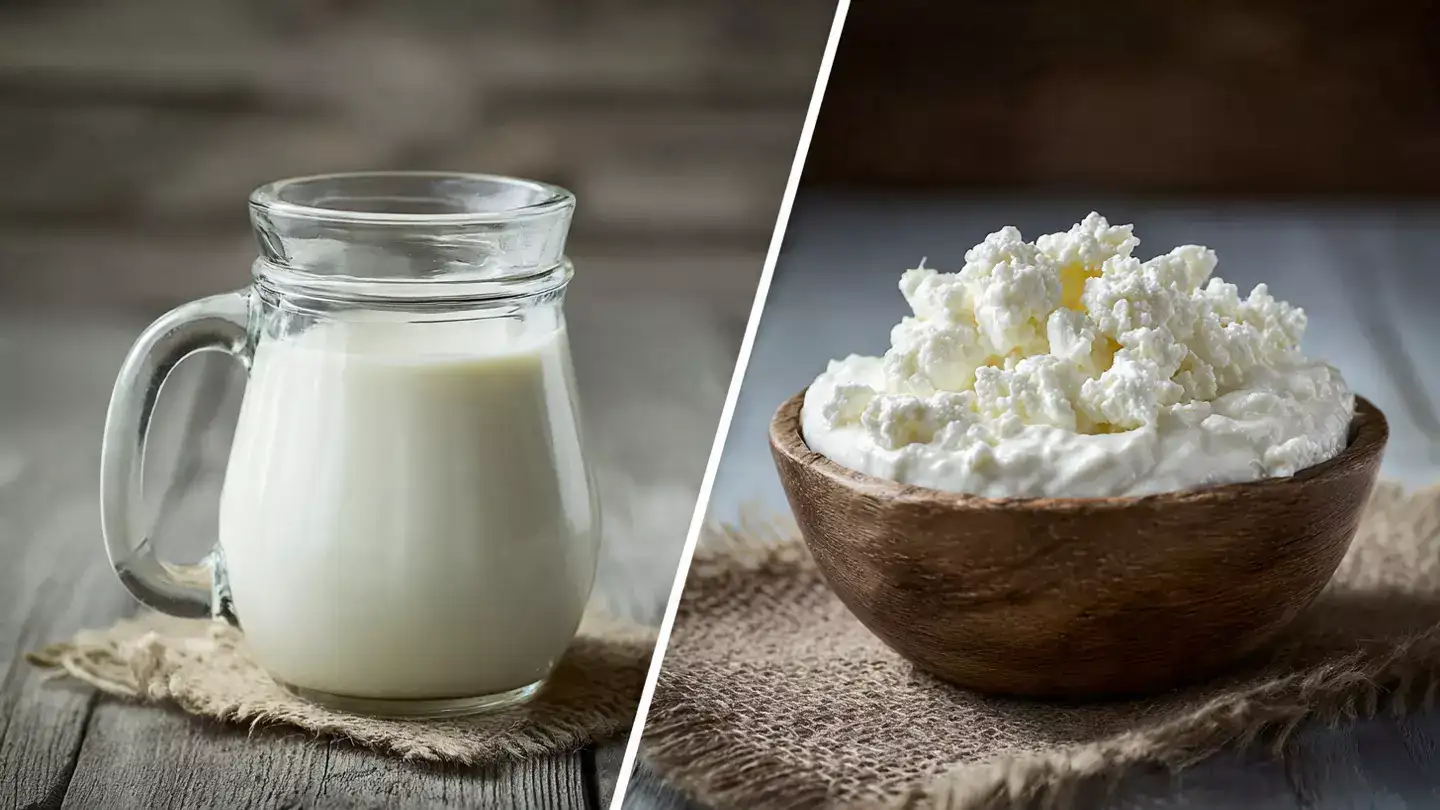
Yoghurt is produced using controlled industrial fermentation with specific bacterial strains such as Lactobacillus and Streptococcus cultures. These controlled cultures help ensure consistent probiotic quality. Yoghurt is usually thicker in texture compared to curd and is often enriched with additional nutrients in packaged versions. Some commercial yoghurt varieties may also contain added sugar or flavouring, so reading labels is important.
Yoghurt is particularly popular in modern nutrition plans because it contains standardised probiotic strains that may offer consistent digestive benefits. People suffering from mild lactose sensitivity may find fermented dairy products easier to digest compared to regular milk. Regular consumption of probiotic foods may also help improve immunity and nutrient absorption.
Curd also supports metabolism and may help maintain gut bacteria diversity. Homemade curd is often preferred because it does not contain preservatives or artificial additives. However, curd quality depends on milk freshness and fermentation hygiene.
Yoghurt is commonly consumed as breakfast food, smoothie ingredient or healthy snack option. It is particularly popular among fitness enthusiasts because of its protein density and easy portability. However, consumers should be careful about added sugar content in flavoured yoghurt products.
For children and elderly individuals, both foods can be beneficial for calcium intake and gut health. Nutrition experts usually recommend including one fermented dairy product daily as part of a balanced diet. Moderation remains important because excessive dairy consumption may increase calorie intake.
Image Courtesy: Meta AI
Nutritional Composition Of Curd And Yoghurt
Curd is traditionally prepared by fermenting boiled milk using natural bacterial cultures at room temperature. It is commonly consumed in many Indian households as part of daily meals. Curd contains protein, calcium, carbohydrates and beneficial bacteria that help maintain digestive balance. It is often considered a natural probiotic food because of its fermentation process.Yoghurt is produced using controlled industrial fermentation with specific bacterial strains such as Lactobacillus and Streptococcus cultures. These controlled cultures help ensure consistent probiotic quality. Yoghurt is usually thicker in texture compared to curd and is often enriched with additional nutrients in packaged versions. Some commercial yoghurt varieties may also contain added sugar or flavouring, so reading labels is important.
Digestive Health Benefits Of Curd And Yoghurt
Both curd and yoghurt support digestive health due to probiotic bacteria. These bacteria help improve gut microbiome balance and support smoother digestion. Curd is often preferred in traditional diets because it is easier to prepare at home and contains natural fermentation cultures.Yoghurt is particularly popular in modern nutrition plans because it contains standardised probiotic strains that may offer consistent digestive benefits. People suffering from mild lactose sensitivity may find fermented dairy products easier to digest compared to regular milk. Regular consumption of probiotic foods may also help improve immunity and nutrient absorption.
Curd Benefits For Traditional Diets And Cooling Effect
Curd is widely consumed in warm weather because of its cooling effect on the body. Many households include curd in lunch meals to help balance spicy food consumption. It is also used to prepare dishes like raita and buttermilk, which support hydration and digestion.Curd also supports metabolism and may help maintain gut bacteria diversity. Homemade curd is often preferred because it does not contain preservatives or artificial additives. However, curd quality depends on milk freshness and fermentation hygiene.
Yoghurt Benefits For Modern Lifestyle Nutrition
Yoghurt is widely popular in modern diets due to convenience and consistent nutritional composition. Many commercial yoghurt products are fortified with vitamins and minerals. Some variants are specifically designed for weight management and high-protein diets.Yoghurt is commonly consumed as breakfast food, smoothie ingredient or healthy snack option. It is particularly popular among fitness enthusiasts because of its protein density and easy portability. However, consumers should be careful about added sugar content in flavoured yoghurt products.
Which Is Better For Weight Management And Daily Health?
Both curd and yoghurt can support weight management depending on consumption patterns. Plain yoghurt and homemade curd are generally better choices than sweetened yoghurt products. Curd may be slightly better for traditional meal digestion, while yoghurt may be more suitable for busy lifestyles due to packaging convenience.For children and elderly individuals, both foods can be beneficial for calcium intake and gut health. Nutrition experts usually recommend including one fermented dairy product daily as part of a balanced diet. Moderation remains important because excessive dairy consumption may increase calorie intake.
Image Courtesy: Meta AI
Next Story