
Daily Stretches To Reduce Lower Back Pain And Improve Flexibility Naturally

Best Daily Stretches To Reduce Lower Back Pain And Improve Mobility: Lower back pain is one of the most common physical complaints faced by people today. Long hours of sitting, poor posture, lack of physical activity and muscle strain can all contribute to discomfort in the lower back. Many people experience stiffness and tension that affects their ability to move comfortably throughout the day. While severe or persistent pain should always be evaluated by a healthcare professional, regular stretching can help reduce mild to moderate discomfort and improve flexibility. Practising daily stretches to reduce lower back pain helps strengthen supporting muscles, improve posture and increase blood circulation around the spine. With consistent practice, these stretches can gradually support better mobility and help maintain a healthier back.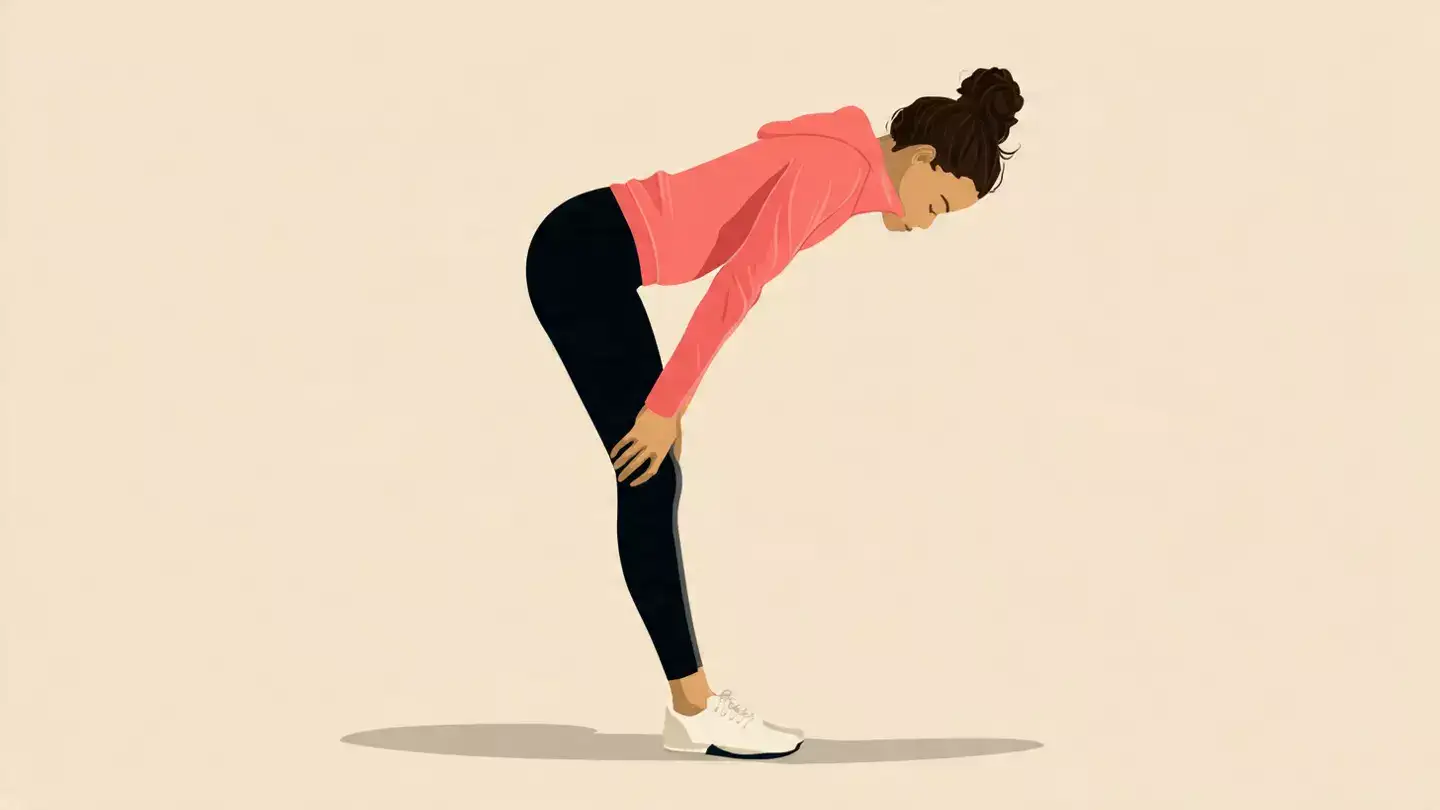
Stretching helps loosen tight muscles, improve flexibility and restore balance to the body. When muscles around the hips, hamstrings and lower back become more flexible, the spine experiences less pressure during daily movements.
Another benefit of stretching is improved circulation. Gentle movement increases blood flow to muscles and tissues, which can support recovery and reduce stiffness.
Regular stretching is therefore an effective part of many exercises for lower back relief , especially for individuals who spend long hours sitting or performing repetitive tasks.
Begin by lying on your back with both knees bent and feet resting on the floor. Slowly bring one knee toward the chest while keeping the other foot flat on the ground. Hold the knee gently with both hands and keep the lower back relaxed against the floor.
Maintain the stretch for about fifteen to twenty seconds while breathing slowly. Then return the leg to the starting position and repeat the movement with the other knee.
This stretch helps lengthen muscles in the lower back and can be particularly useful as part of a daily back pain stretching routine .
Start on your hands and knees with the spine in a neutral position. As you inhale, gently lower the stomach toward the floor and lift the head and chest upward. This position creates a gentle arch in the back.
Then exhale slowly while rounding the spine upward and tucking the chin toward the chest. This movement stretches the back muscles and encourages flexibility along the entire spine.
Repeating this sequence several times helps improve mobility and is commonly included in stretches to reduce back pain .
Begin by kneeling on the floor and sitting back on your heels. Slowly lower your upper body forward until your chest moves toward your thighs and your arms extend in front of you on the floor.
Allow your forehead to rest gently on the ground while keeping the shoulders relaxed. Hold this position for twenty to thirty seconds while breathing slowly and deeply.
Child’s pose gently stretches the back muscles and provides a calming break for the body. It is often recommended as part of lower back pain relief exercises .
Lie on your back with knees bent and feet flat on the floor. Tighten the abdominal muscles gently and press the lower back into the floor while tilting the pelvis slightly upward.
Hold this position for a few seconds before relaxing the muscles. Repeat the movement several times in a slow and controlled manner.
Pelvic tilts help activate core muscles that support the spine and can reduce strain on the lower back during everyday activities.
To perform a hamstring stretch, lie on your back and raise one leg upward while keeping the other leg bent on the floor. Hold the raised leg gently behind the thigh or calf and keep the knee slightly bent if necessary.
Maintain the stretch for fifteen to twenty seconds before lowering the leg and repeating on the other side. This movement improves flexibility in the back of the legs and supports overall spinal balance.
Hamstring stretching is an important part of stretches for spinal flexibility and can help reduce tension in the lower back.
It is important to perform stretches slowly and avoid sudden or jerky movements. Gentle breathing and controlled motion help the muscles relax and improve the effectiveness of each stretch.
Maintaining good posture, staying physically active and strengthening core muscles also contribute to long-term spinal health.
By combining regular stretching with healthy movement habits, individuals can reduce discomfort and support a stronger, more flexible back. Over time, these simple daily stretches can play a valuable role in maintaining comfort, mobility and overall wellbeing.
Why Stretching Helps Relieve Lower Back Pain
The muscles surrounding the spine, hips and pelvis play a key role in supporting the lower back. When these muscles become tight or weak, they can place additional strain on the lumbar region, leading to discomfort.Stretching helps loosen tight muscles, improve flexibility and restore balance to the body. When muscles around the hips, hamstrings and lower back become more flexible, the spine experiences less pressure during daily movements.
Another benefit of stretching is improved circulation. Gentle movement increases blood flow to muscles and tissues, which can support recovery and reduce stiffness.
Regular stretching is therefore an effective part of many exercises for lower back relief , especially for individuals who spend long hours sitting or performing repetitive tasks.
Knee To Chest Stretch
The knee to chest stretch is a gentle movement that helps release tension in the lower back and improve flexibility in the hips.Begin by lying on your back with both knees bent and feet resting on the floor. Slowly bring one knee toward the chest while keeping the other foot flat on the ground. Hold the knee gently with both hands and keep the lower back relaxed against the floor.
Maintain the stretch for about fifteen to twenty seconds while breathing slowly. Then return the leg to the starting position and repeat the movement with the other knee.
This stretch helps lengthen muscles in the lower back and can be particularly useful as part of a daily back pain stretching routine .
Cat And Cow Stretch
The cat and cow stretch is a simple yet effective movement that improves spinal flexibility and relieves stiffness in the back.Start on your hands and knees with the spine in a neutral position. As you inhale, gently lower the stomach toward the floor and lift the head and chest upward. This position creates a gentle arch in the back.
Then exhale slowly while rounding the spine upward and tucking the chin toward the chest. This movement stretches the back muscles and encourages flexibility along the entire spine.
Repeating this sequence several times helps improve mobility and is commonly included in stretches to reduce back pain .
Child’s Pose Stretch
Child’s pose is a relaxing stretch that lengthens the spine and helps release tension in the lower back.Begin by kneeling on the floor and sitting back on your heels. Slowly lower your upper body forward until your chest moves toward your thighs and your arms extend in front of you on the floor.
Allow your forehead to rest gently on the ground while keeping the shoulders relaxed. Hold this position for twenty to thirty seconds while breathing slowly and deeply.
Child’s pose gently stretches the back muscles and provides a calming break for the body. It is often recommended as part of lower back pain relief exercises .
Pelvic Tilt Exercise
The pelvic tilt is a simple exercise that strengthens the muscles supporting the lower back while also improving spinal alignment.Lie on your back with knees bent and feet flat on the floor. Tighten the abdominal muscles gently and press the lower back into the floor while tilting the pelvis slightly upward.
Hold this position for a few seconds before relaxing the muscles. Repeat the movement several times in a slow and controlled manner.
Pelvic tilts help activate core muscles that support the spine and can reduce strain on the lower back during everyday activities.
Hamstring Stretch
Tight hamstrings often contribute to lower back discomfort because they affect the alignment of the hips and pelvis.To perform a hamstring stretch, lie on your back and raise one leg upward while keeping the other leg bent on the floor. Hold the raised leg gently behind the thigh or calf and keep the knee slightly bent if necessary.
Maintain the stretch for fifteen to twenty seconds before lowering the leg and repeating on the other side. This movement improves flexibility in the back of the legs and supports overall spinal balance.
You may also like
- Kritika Kamra & Gaurav Kapur's Private Love Story and Wedding
- Effective Home Remedies to Ward Off Evil Eye
- Another Dubai viral dessert hits Hyderabad – We tried it
- Preterm birth in India: Causes, treatment, and how early care is improving survival of premature babies
- PM Kisan Yojana: Tomorrow, Rs 2,000 will be deposited in the accounts of farmers, but these farmers will not get the money..
Hamstring stretching is an important part of stretches for spinal flexibility and can help reduce tension in the lower back.
Building A Consistent Stretching Routine
Relieving back discomfort requires patience and consistency. Practising daily stretches for lower back pain for just ten to fifteen minutes each day can gradually improve flexibility and reduce stiffness.It is important to perform stretches slowly and avoid sudden or jerky movements. Gentle breathing and controlled motion help the muscles relax and improve the effectiveness of each stretch.
Maintaining good posture, staying physically active and strengthening core muscles also contribute to long-term spinal health.
By combining regular stretching with healthy movement habits, individuals can reduce discomfort and support a stronger, more flexible back. Over time, these simple daily stretches can play a valuable role in maintaining comfort, mobility and overall wellbeing.






More from our partners


Loving Newspoint? Download the app now
