
Decode Your Feline Friend: A Comprehensive Guide to Understanding Cat Body Language and Purring

Cracking the code of feline communication is a journey that goes far beyond the occasional meow or a rub against your legs. Cats are masters of subtlety, using a sophisticated system of physical signals to convey everything from pure contentment to rising irritation. For many owners, the challenge lies in the fact that cats do not communicate like dogs or humans; their language is nuanced and often situational. By taking the time to observe their posture, facial expressions, and vocal sounds, you can transform your relationship with your pet. Understanding these signals is the first step toward creating a home environment where your cat feels truly heard and safe.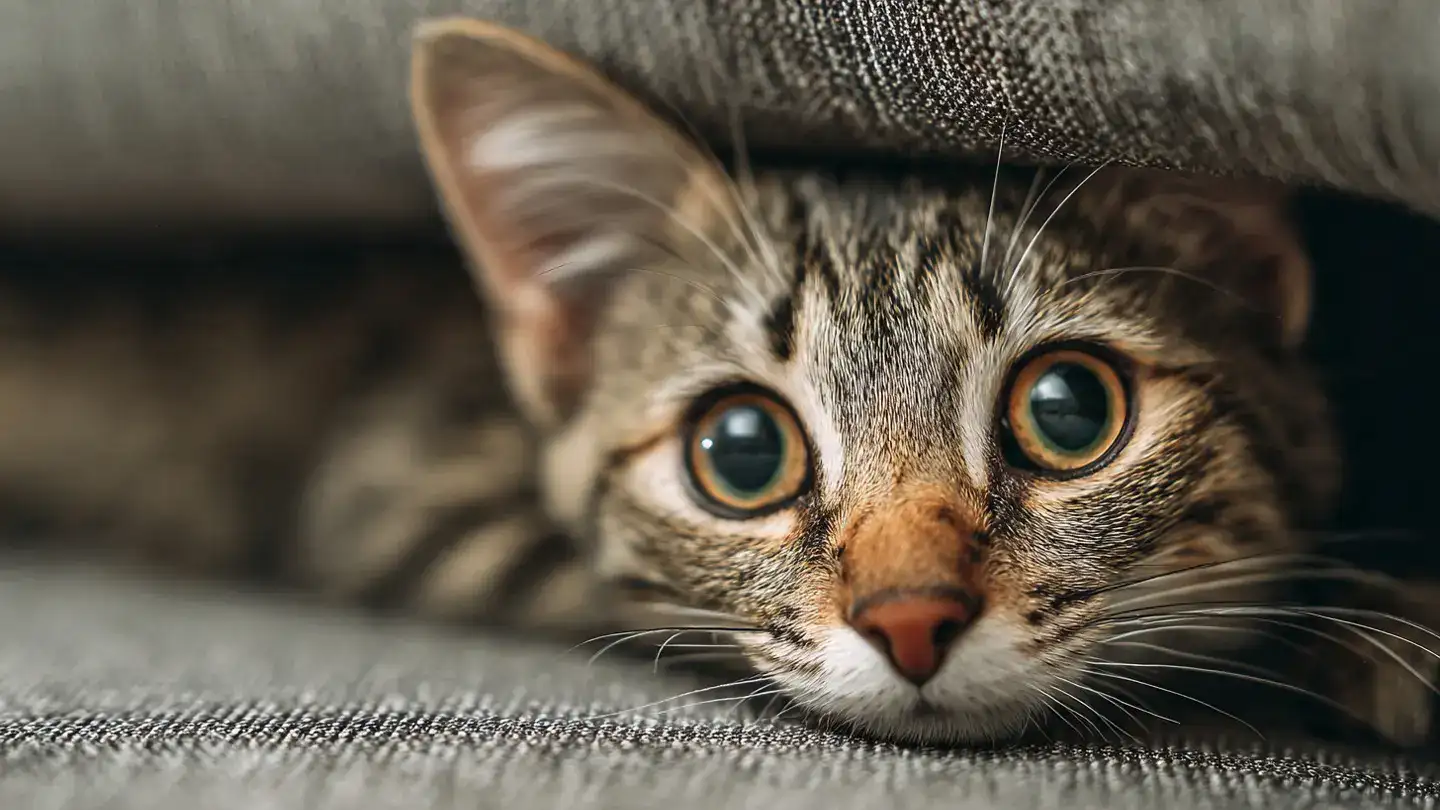
It is also important to distinguish between a gentle 'wag' and a sharp twitch. Unlike dogs, a wagging tail in a cat often signals conflict or annoyance. If the tail is lashing back and forth rapidly, it is a clear sign that the cat is overstimulated and may need some space. Understanding these rapid changes in movement allows you to adjust your interaction before the cat feels the need to hiss or swat, maintaining a peaceful atmosphere for both of you.
To build trust, many feline behaviourists recommend using the slow blinking technique . In the wild, closing one’s eyes is a sign of vulnerability and, therefore, immense trust. By narrowing your eyes and blinking slowly at your cat, you are communicating that you are not a threat. Most cats will respond by mirroring the action, which serves as a 'feline kiss.' This simple exchange of feline communication cues is one of the most effective ways to bond with a shy or nervous cat.
Scientific research suggests that the frequency of a cat’s purr—typically between 25 and 150 Hertz—may actually have healing properties. These vibrations can help improve bone density and promote the healing of tendons and muscles. This means that a cat might purr as a form of self-repair or to soothe itself during a difficult time. As an owner, it is vital to look at the context; if your cat is purring while hiding or refusing food, it may be a sign that they require a visit to the vet rather than a cuddle.
An arched back with fur standing on end, known as piloerection, is the classic sign of a cat trying to look larger and more intimidating to a perceived threat. On the other hand, a cat that 'shrinks' or crouches low to the ground is likely trying to remain unnoticed. By observing how your cat moves through a room and where they choose to rest, you can begin to see the world through their eyes. Consistency in your observations will eventually make reading your cat’s body language feel like second nature, ensuring a lifetime of mutual respect and affection.
Image Courtesy: Meta AI
Interpreting the Tale of the Tail
One of the most expressive parts of a cat’s anatomy is its tail. Monitoring feline tail positions is often the quickest way to gauge a cat's immediate emotional state. A tail held high and upright usually indicates a confident, friendly cat ready for interaction. If the tip has a slight curl, similar to a question mark, your cat is likely feeling playful or inquisitive. Conversely, a tail tucked tightly between the legs or wrapped around the body suggests fear or a desire for isolation.It is also important to distinguish between a gentle 'wag' and a sharp twitch. Unlike dogs, a wagging tail in a cat often signals conflict or annoyance. If the tail is lashing back and forth rapidly, it is a clear sign that the cat is overstimulated and may need some space. Understanding these rapid changes in movement allows you to adjust your interaction before the cat feels the need to hiss or swat, maintaining a peaceful atmosphere for both of you.
Facial Expressions and the Power of the Eyes
A cat's face provides a wealth of information if you know where to look. One of the most fascinating aspects of their sight is vertical pupil dilation . While pupils naturally change based on light levels, they also react to emotional shifts. Large, round pupils often indicate excitement, fear, or high arousal, whereas constricted, slit-like pupils can suggest aggression or intense focus. Combining eye observation with ear position—such as ears flattened against the head—helps paint a clearer picture of their mood.To build trust, many feline behaviourists recommend using the slow blinking technique . In the wild, closing one’s eyes is a sign of vulnerability and, therefore, immense trust. By narrowing your eyes and blinking slowly at your cat, you are communicating that you are not a threat. Most cats will respond by mirroring the action, which serves as a 'feline kiss.' This simple exchange of feline communication cues is one of the most effective ways to bond with a shy or nervous cat.
You may also like
- Samsung's 200MP camera phone is available for ₹36,000 less! Great deals are available here; learn how to take advantage.
- Pancreatic Cancer Causes: Pancreatic cancer is a silent killer! Recognize these signs of jaundice and changes in digestion early.
- Fruits To Avoid During Periods: Women should not eat these fruits during periods, as they can cause major problems.
- Eye drops side effects: Do you use eye drops without consulting a doctor? It can lead to loss of vision.
- Health Tests In Your 30s: These diseases can develop in your body after you cross the age of 30; don't forget to avoid these tests.
The Multi-Faceted Mystery of Purring
Purring is perhaps the most iconic sound in the feline world, yet it is frequently misunderstood. Most people assume a purring cat is a happy cat, and while this is often true, it is not the whole story. Purring is actually a complex vocalisation produced by low-frequency vibrations within the throat. Cats certainly purr when they are relaxed and being stroked, but they also purr when they are under significant stress, in pain, or even when they are giving birth.Scientific research suggests that the frequency of a cat’s purr—typically between 25 and 150 Hertz—may actually have healing properties. These vibrations can help improve bone density and promote the healing of tendons and muscles. This means that a cat might purr as a form of self-repair or to soothe itself during a difficult time. As an owner, it is vital to look at the context; if your cat is purring while hiding or refusing food, it may be a sign that they require a visit to the vet rather than a cuddle.
Posture and Total Body Alignment
A cat’s overall body posture acts as a final confirmation of their internal state. A relaxed cat will have a soft, fluid body shape, perhaps lying on its side with its belly exposed. While an exposed belly is a sign of trust, be wary—it is not always an invitation for a tummy rub. For many cats, showing the belly is a defensive posture that allows them to use all four sets of claws if necessary. Always check the tension in their limbs before reaching in for a stroke.An arched back with fur standing on end, known as piloerection, is the classic sign of a cat trying to look larger and more intimidating to a perceived threat. On the other hand, a cat that 'shrinks' or crouches low to the ground is likely trying to remain unnoticed. By observing how your cat moves through a room and where they choose to rest, you can begin to see the world through their eyes. Consistency in your observations will eventually make reading your cat’s body language feel like second nature, ensuring a lifetime of mutual respect and affection.
Image Courtesy: Meta AI






More from our partners


Loving Newspoint? Download the app now
