
Decoding the Feline Dialogue: Why Your Cat Won’t Stop Meowing and How to Help

Understanding the Language of the Meow: Have you ever found yourself in a one-sided conversation with a feline who simply won’t take 'shush' for an answer? While kittens meow to communicate with their mothers, adult cats rarely meow at each other, reserving this specific vocalisation almost exclusively for their human companions. If your cat has suddenly become a chatterbox, it can be both endearing and, let’s be honest, slightly exhausting. Understanding excessive meowing in cats requires a blend of patience and detective work. It is rarely a random act; rather, it is a sophisticated tool used to grab your attention, signal distress, or demand a late-night snack.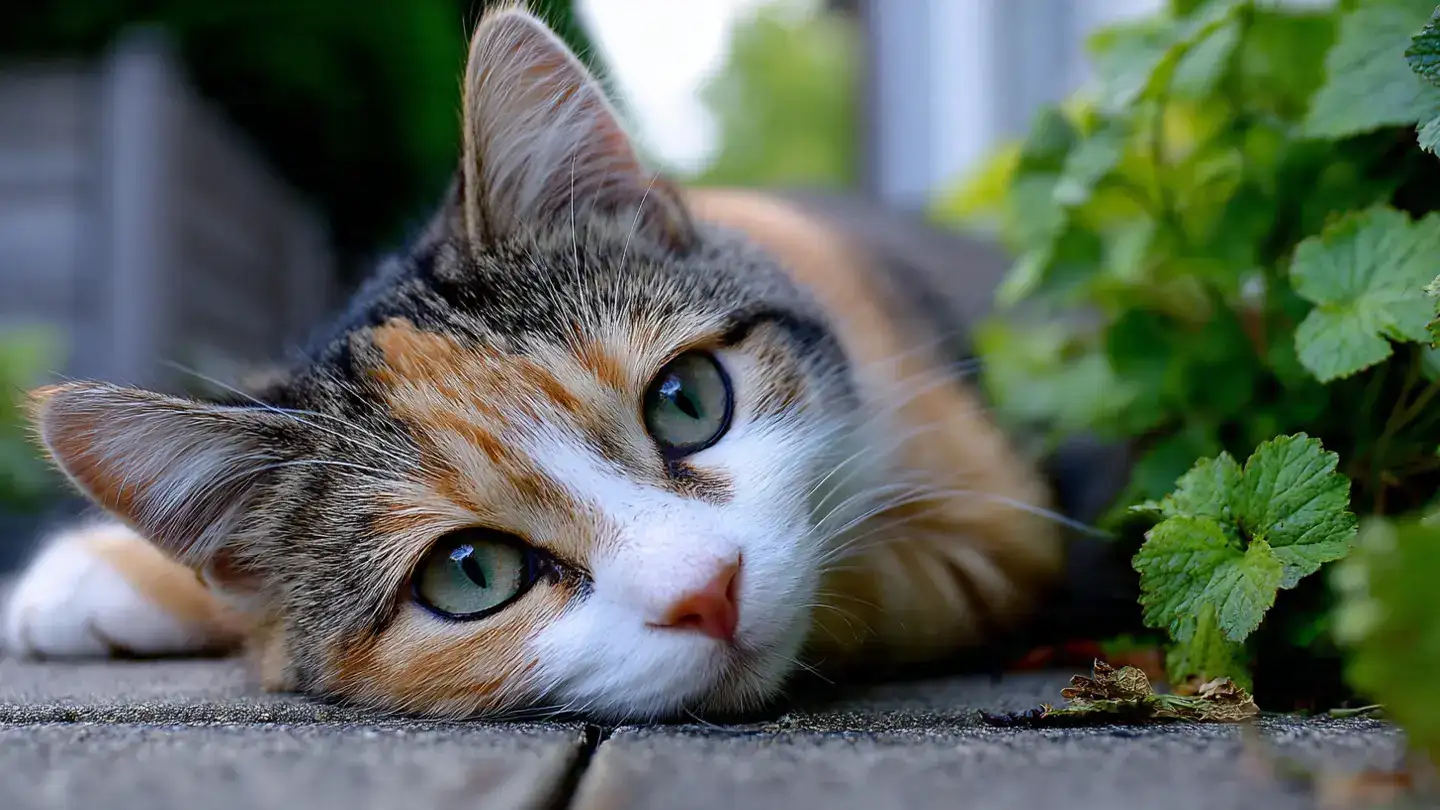
Image Courtesy: Meta AI
The Psychology of Attention Seeking
The most common reason for a vocal cat is surprisingly simple: it works. Cats are incredibly fast learners. If they meow and you immediately respond with a chin scratch, a treat, or even a mild scolding, they have successfully achieved their goal of engagement. This creates a feedback loop where the cat views silence as ineffective and vocalisation as the key to your heart—or your kitchen cupboard. To break this cycle, you must learn the art of 'selective hearing,' rewarding your pet with affection only when they are quiet, thereby reinforcing calm behaviour over noisy demands.Hunger and the Infinite Bowl
Many owners find that the meowing intensifies as mealtime approaches—or even hours before it. Cats have a keen internal clock, and if they perceive a delay in their service, they will let you know. However, constant meowing for food can sometimes point to an underlying metabolic issue. If your cat seems ravenous despite being fed a high-quality diet, it might be worth investigating feline communication cues further. Sometimes, they aren't just hungry for kibble; they are hungry for the routine and interaction that comes with the feeding process itself.Environmental Stress and Boredom
An under-stimulated cat is often a noisy one. Indoor cats, in particular, require a significant amount of mental and physical enrichment. Without toys, climbing frames, or interactive play, a cat may resort to meowing to express their frustration or boredom. Similarly, changes in the household—such as moving furniture, a new baby, or even a change in your work schedule—can trigger anxiety. In these instances, the meowing serves as a verbal manifestation of their insecurity. Providing a 'cat-safe' environment with plenty of vertical space can often dampen the urge to shout.Medical Concerns and Ageing
It is crucial not to dismiss a chatty cat as merely 'annoying,' as frequent vocalisation can be a symptom of physical discomfort. Conditions such as an overactive thyroid (hyperthyroidism) or high blood pressure can cause a cat to become hyperactive and vocal. Furthermore, senior cat vocalisation is often linked to Cognitive Dysfunction Syndrome (CDS), which is similar to dementia in humans. Older cats may become disoriented or confused, especially at night, leading to loud, mournful meowing. If the vocalisation is a new development, a trip to the vet is the first step to rule out pain or illness.Night-time Nuisances: Why Do Cats Meow at Night ?
Many owners ask, 'why do cats meow at night?' specifically. Cats are naturally crepuscular, meaning they are most active at dawn and dusk. When the house goes quiet and you head to bed, your cat might feel their 'day' is just beginning. This nocturnal noise is often a plea for play or a reaction to seeing prey outside the window. To curb this, try a vigorous play session right before bed followed by a small meal. This mimics the natural 'hunt-eat-sleep' cycle of a feline, encouraging them to rest while you do.Decoding Cat Behaviour Explained
Ultimately, getting to the bottom of cat behaviour explained involves observing the context of the noise. Is the tail twitching? Are the ears pinned back? A high-pitched meow usually indicates a friendly greeting or a request, while a low-pitched growl-meow might signal irritation. By paying close attention to the timing and tone of their voice, you can begin to bridge the communication gap. Remember, your cat isn't trying to annoy you; they are simply using the only tool they have to ensure their needs—whether physical or emotional—are being met by their favourite human.Image Courtesy: Meta AI
Next Story