
Desk Stretches For People Working Long Hours At Home To Ease Stiffness And Improve Posture

Working from home has made life more flexible, but it has also increased the number of hours many people spend sitting in one position. Over time, this can lead to neck stiffness, rounded shoulders, tight hips, wrist discomfort and lower back pain. The good news is that a few simple desk stretches can help reverse this tension without interrupting your workflow. These gentle movements improve circulation, support posture correction and keep muscles from tightening during long sitting hours. The best part is that they can be done right beside your laptop in just a few minutes, making them easy to repeat throughout the day.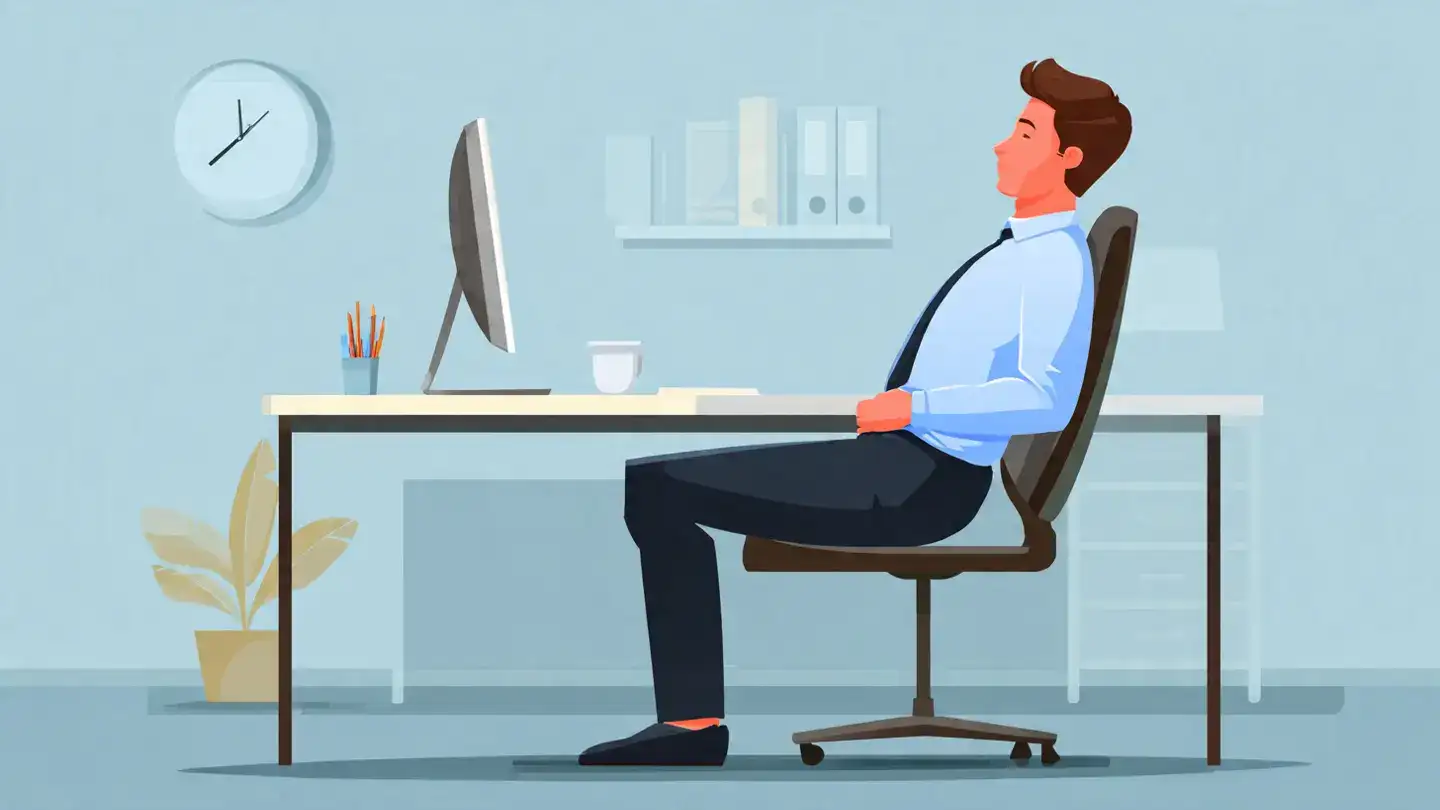
This simple move helps align the cervical spine and reduces the forward-head posture caused by staring at screens for hours. It is one of the most effective work from home stretches for easing upper-body strain.
These posture correction exercises help open the chest muscles, improve breathing and reduce shoulder tightness built up from typing or mouse use.
This stretch is excellent for improving spinal mobility and reducing stiffness in the mid and lower back. It also offers quick neck and back relief during long meetings or work sessions.
Repeat on both sides, then open and close your fists several times. These small movements are highly useful stretches for long sitting and repetitive computer use.
While seated, extend one leg straight with the heel on the floor and gently lean forward. This stretch helps release the back of the thigh and improves circulation in the legs.
A seated knee-to-chest hold can also help loosen the hips and reduce lower-back tension.
These home office wellness movements improve blood flow, reduce leg fatigue and help prevent stiffness in the calves and ankles.
Setting reminders on your laptop or phone can help make this a natural part of your workday. Pairing stretches with water breaks or after-call pauses makes the habit easier to maintain.
Desk stretches are one of the simplest ways to support the body during long hours of remote work. They require no equipment, take very little time and can dramatically improve posture, flexibility and comfort. By adding these easy movements into your daily home office routine, you can protect your neck, back and joints while staying productive and energised throughout the day.
Image Courtesy: Meta AI
Neck Rolls And Chin Tucks For Upper Body Relief
One of the first areas affected by long screen time is the neck. Gently roll your neck in slow circles and then bring your chin slightly inward, as if creating a double chin.This simple move helps align the cervical spine and reduces the forward-head posture caused by staring at screens for hours. It is one of the most effective work from home stretches for easing upper-body strain.
Shoulder Rolls And Chest Openers
Sitting at a desk often causes the shoulders to round forward. Roll both shoulders backwards and forwards for 30 seconds each, then clasp your hands behind your back and gently lift the chest.These posture correction exercises help open the chest muscles, improve breathing and reduce shoulder tightness built up from typing or mouse use.
Seated Spinal Twists For Back Mobility
While sitting upright in your chair, place one hand on the opposite knee and gently twist your torso. Hold for a few seconds before switching sides.This stretch is excellent for improving spinal mobility and reducing stiffness in the mid and lower back. It also offers quick neck and back relief during long meetings or work sessions.
Wrist And Finger Stretches For Typing Fatigue
Hands and wrists often absorb the strain of constant typing. Extend one arm forward with the palm facing up and gently pull the fingers down with the other hand.Repeat on both sides, then open and close your fists several times. These small movements are highly useful stretches for long sitting and repetitive computer use.
Hip And Hamstring Chair Stretches
Long sitting hours tighten the hips and hamstrings, which can eventually affect posture and lower back comfort.While seated, extend one leg straight with the heel on the floor and gently lean forward. This stretch helps release the back of the thigh and improves circulation in the legs.
A seated knee-to-chest hold can also help loosen the hips and reduce lower-back tension.
Ankle Rotations And Calf Activation
The lower legs often become stiff after sitting for too long. Rotate your ankles slowly in both directions and rise onto your toes while seated or standing beside the desk.These home office wellness movements improve blood flow, reduce leg fatigue and help prevent stiffness in the calves and ankles.
Build A Stretch Break Habit
The real benefit of desk stretches comes from consistency. Taking a two to three minute stretch break every hour can significantly reduce muscle tightness and improve focus.Setting reminders on your laptop or phone can help make this a natural part of your workday. Pairing stretches with water breaks or after-call pauses makes the habit easier to maintain.
Desk stretches are one of the simplest ways to support the body during long hours of remote work. They require no equipment, take very little time and can dramatically improve posture, flexibility and comfort. By adding these easy movements into your daily home office routine, you can protect your neck, back and joints while staying productive and energised throughout the day.
Image Courtesy: Meta AI
Next Story