
Different Names of Pani Puri Across India and Their Unique Regional Flavours

India’s love for street food is incomplete without pani puri - the crispy, flavour-packed snack that brings together spicy, tangy, sweet, and refreshing tastes in a single bite. From bustling city markets to roadside stalls in small towns, this popular Indian street food continues to win hearts across the country.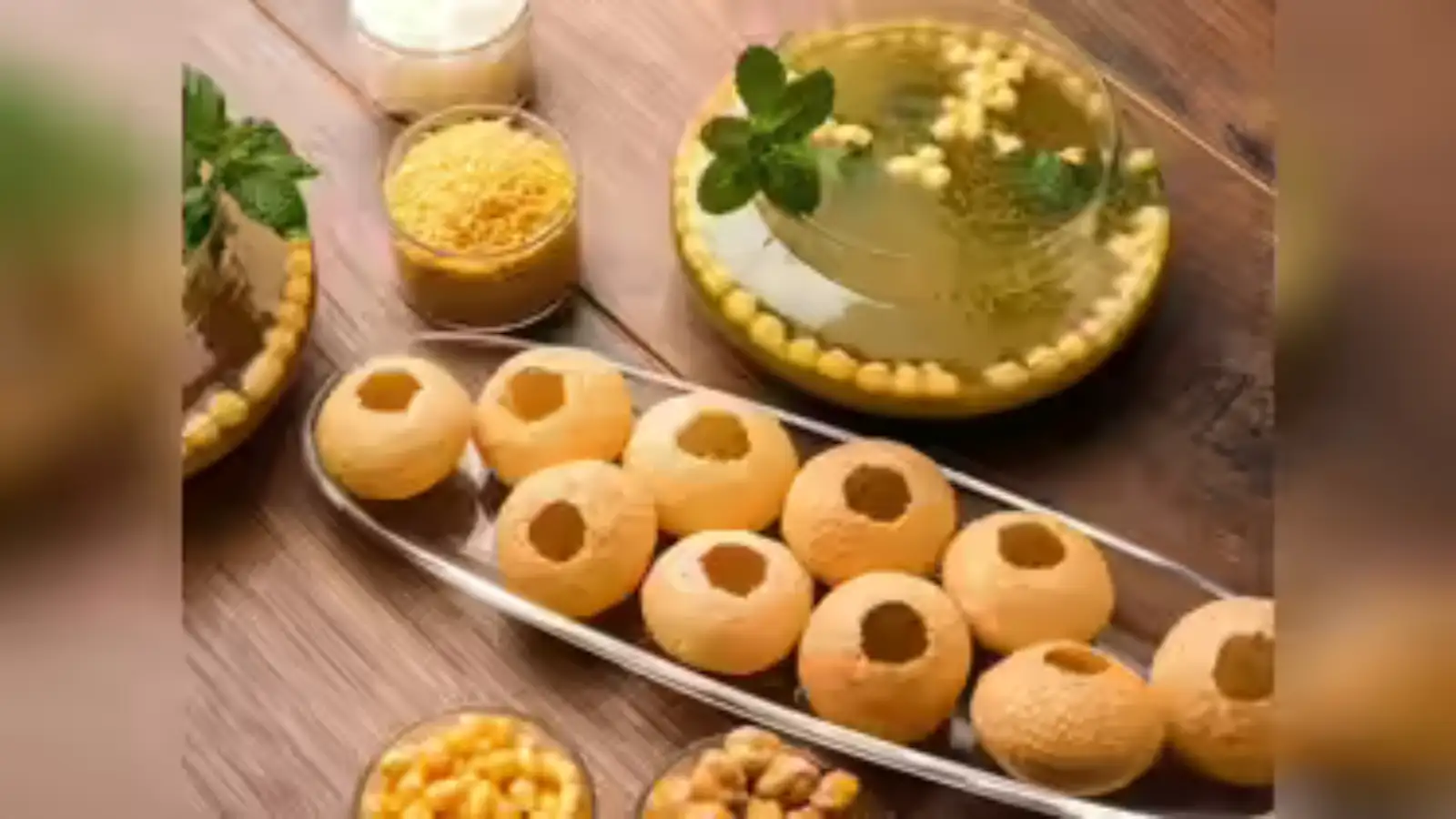
Interestingly, pani puri is not known by the same name everywhere. Different states have their own versions, flavours, and local names for this iconic snack. Regional ingredients, spice blends, and preparation styles give every variation a unique identity while keeping the essence of the dish alive.
Golgappa — The North Indian Favourite
In Delhi, Punjab, Haryana, and several North Indian states, pani puri is popularly called “golgappa.” The name comes from the round, puffed puris that crack open with a burst of flavoured water.
North Indian golgappas are usually filled with mashed potatoes and chickpeas, while the spicy mint and tamarind water adds a sharp tangy flavour. These crispy delights are among the most loved evening snacks across North India.
Puchka — Bengal’s Spicy Street Snack
In West Bengal and neighbouring eastern states, the dish is famously known as “puchka.” Kolkata’s street food culture has made puchka a culinary icon in the region.
Unlike the sweeter versions found elsewhere, puchkas are generally spicier and tangier. Vendors often use mashed potatoes mixed with tamarind pulp, green chillies, and aromatic spices. The puris are usually smaller, crunchier, and packed with bold flavours.
Pani Puri — Maharashtra and Gujarat Style
In Maharashtra and Gujarat, the snack is widely recognised as “pani puri.” Mumbai’s vibrant street food scene played a major role in popularising this version across India.
The Maharashtrian style often includes sweet tamarind chutney along with spicy mint water. In some places, ragda made from white peas is used as the filling instead of potatoes, creating a richer taste and texture.
Gup Chup — Odisha and Chhattisgarh Version
People in Odisha and Chhattisgarh commonly refer to pani puri as “gup chup.” This regional variation is known for its flavourful spiced water and mashed potato stuffing.
Local spice blends and preparation techniques give gup chup its distinct taste. These stalls are a common sight in markets, fairs, and busy streets across the region.
Pakodi — Central India’s Local Name
In certain parts of Central India, pani puri is called “pakodi.” While the basic preparation remains similar, the flavours can vary depending on local preferences and ingredients.
Some versions are more spicy, while others have a mild tangy taste. Despite the name difference, the snack continues to remain a favourite among street food lovers.
Regional Variations Make Pani Puri Unique
One of the biggest reasons behind pani puri’s popularity is its regional diversity. Every state adds its own touch through different fillings, spice levels, chutneys, and flavoured waters.
Some vendors prepare sweet and tangy pani, while others focus on fiery spice mixes. Mint water, hing-flavoured water, tamarind water, and lemon-infused pani are among the most commonly used varieties. These regional twists keep the snack exciting and loved across generations.
Interesting Facts About Pani Puri
One of India’s Most Popular Street Foods
Pani puri is available in almost every major Indian city. Its affordable price, refreshing taste, and quick preparation make it a favourite snack among people of all age groups.
Different States, Different Names
The snack is known by several names, including golgappa, puchka, pani puri, gup chup, and pakodi. These names reflect India’s diverse food traditions and regional languages.
A Burst of Multiple Flavours
Pani puri is famous for combining spicy, sweet, sour, salty, and tangy flavours in a single bite. The mix of chutneys and flavoured water creates a unique taste experience.
Crispy Puris Are the Key Ingredient
The crunchy hollow puris are the heart of the dish. Freshly prepared puris enhance both the texture and flavour of the snack.
A Strong Part of Indian Street Food Culture
From roadside stalls to busy food markets, pani puri has become a symbol of Indian street food culture. It continues to attract locals and tourists alike with its irresistible flavours and regional varieties.
Interestingly, pani puri is not known by the same name everywhere. Different states have their own versions, flavours, and local names for this iconic snack. Regional ingredients, spice blends, and preparation styles give every variation a unique identity while keeping the essence of the dish alive.
Golgappa — The North Indian Favourite
In Delhi, Punjab, Haryana, and several North Indian states, pani puri is popularly called “golgappa.” The name comes from the round, puffed puris that crack open with a burst of flavoured water.
North Indian golgappas are usually filled with mashed potatoes and chickpeas, while the spicy mint and tamarind water adds a sharp tangy flavour. These crispy delights are among the most loved evening snacks across North India.
Puchka — Bengal’s Spicy Street Snack
In West Bengal and neighbouring eastern states, the dish is famously known as “puchka.” Kolkata’s street food culture has made puchka a culinary icon in the region.
Unlike the sweeter versions found elsewhere, puchkas are generally spicier and tangier. Vendors often use mashed potatoes mixed with tamarind pulp, green chillies, and aromatic spices. The puris are usually smaller, crunchier, and packed with bold flavours.
Pani Puri — Maharashtra and Gujarat Style
In Maharashtra and Gujarat, the snack is widely recognised as “pani puri.” Mumbai’s vibrant street food scene played a major role in popularising this version across India.
The Maharashtrian style often includes sweet tamarind chutney along with spicy mint water. In some places, ragda made from white peas is used as the filling instead of potatoes, creating a richer taste and texture.
Gup Chup — Odisha and Chhattisgarh Version
People in Odisha and Chhattisgarh commonly refer to pani puri as “gup chup.” This regional variation is known for its flavourful spiced water and mashed potato stuffing.
Local spice blends and preparation techniques give gup chup its distinct taste. These stalls are a common sight in markets, fairs, and busy streets across the region.
Pakodi — Central India’s Local Name
In certain parts of Central India, pani puri is called “pakodi.” While the basic preparation remains similar, the flavours can vary depending on local preferences and ingredients.
Some versions are more spicy, while others have a mild tangy taste. Despite the name difference, the snack continues to remain a favourite among street food lovers.
Regional Variations Make Pani Puri Unique
One of the biggest reasons behind pani puri’s popularity is its regional diversity. Every state adds its own touch through different fillings, spice levels, chutneys, and flavoured waters.
Some vendors prepare sweet and tangy pani, while others focus on fiery spice mixes. Mint water, hing-flavoured water, tamarind water, and lemon-infused pani are among the most commonly used varieties. These regional twists keep the snack exciting and loved across generations.
Interesting Facts About Pani Puri
One of India’s Most Popular Street Foods
Pani puri is available in almost every major Indian city. Its affordable price, refreshing taste, and quick preparation make it a favourite snack among people of all age groups.
Different States, Different Names
The snack is known by several names, including golgappa, puchka, pani puri, gup chup, and pakodi. These names reflect India’s diverse food traditions and regional languages.
A Burst of Multiple Flavours
Pani puri is famous for combining spicy, sweet, sour, salty, and tangy flavours in a single bite. The mix of chutneys and flavoured water creates a unique taste experience.
Crispy Puris Are the Key Ingredient
The crunchy hollow puris are the heart of the dish. Freshly prepared puris enhance both the texture and flavour of the snack.
A Strong Part of Indian Street Food Culture
From roadside stalls to busy food markets, pani puri has become a symbol of Indian street food culture. It continues to attract locals and tourists alike with its irresistible flavours and regional varieties.
Next Story