
How Digital Payment Convenience Quietly Increases Small Impulse Spending

A few years ago, spending money usually felt more deliberate. You opened your wallet, counted notes, handed over coins, and in that short moment your brain had time to register that money was actually leaving your hands. Today, that moment has almost disappeared.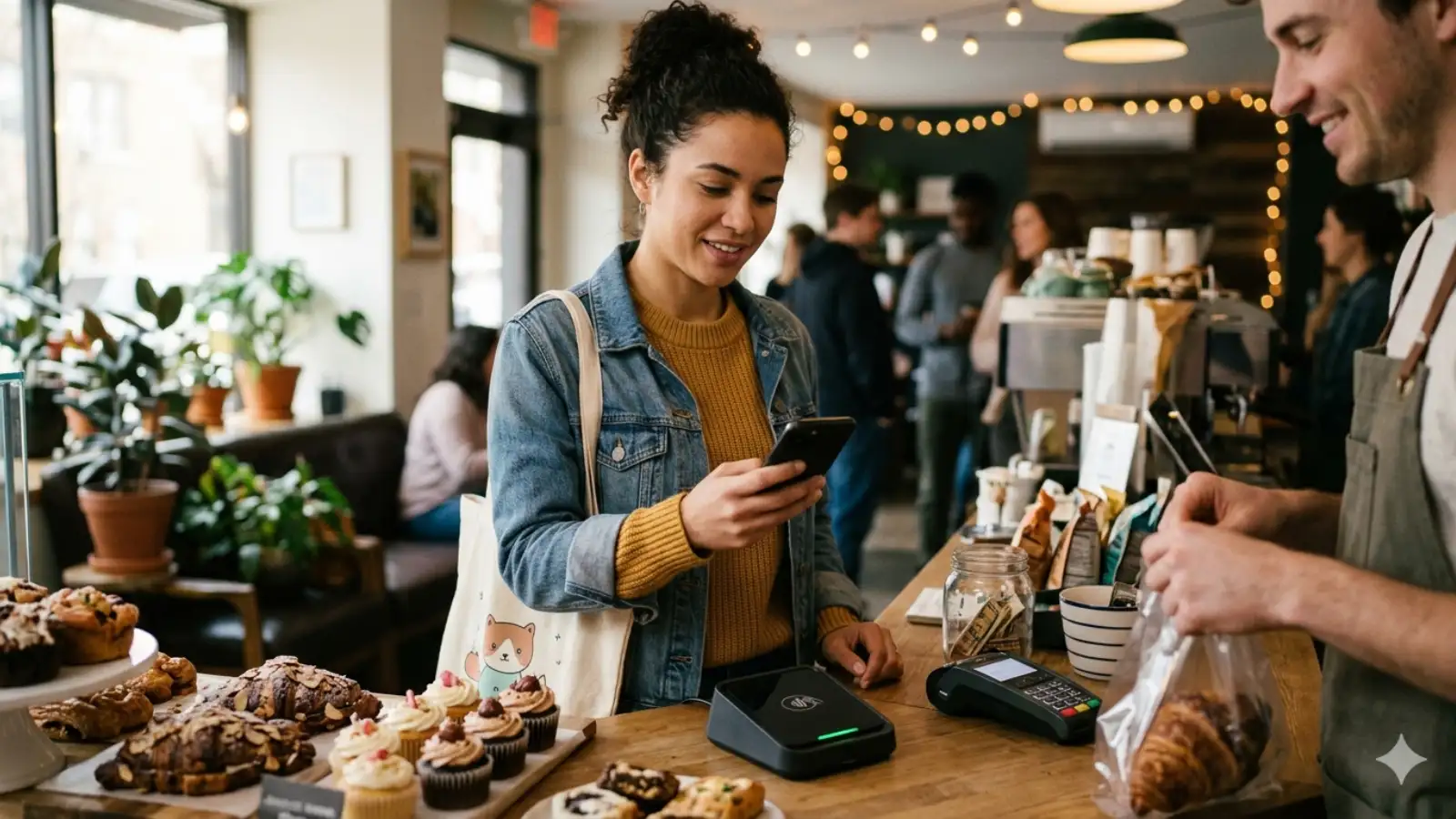
Now it takes a tap, a scan, or a single click.
That is exactly why the rise of digital payment convenience matters more than most people realize. It has made life easier, faster, and smoother. Paying bills, ordering food, booking transport, shopping late at night, and splitting expenses with friends can all happen in seconds. There is no doubt that this shift has improved everyday life.
But convenience has a quiet side.
Many people are not overspending because they are reckless. They are overspending because the act of paying no longer feels like spending. Tiny purchases, harmless in the moment, start adding up almost invisibly. A little here, a little there, and by the end of the month the total can feel surprisingly large.
It is a bit like watching a squirrel collect tiny bits of food all day. Each piece looks insignificant. Yet by evening, the pile is bigger than expected.
That is the hidden relationship between digital payments and impulse spending . It is not usually one big decision. It is a series of tiny, frictionless ones.
With digital payments, that pause often disappears.
The action feels lighter. There is less sensory involvement. You do not see cash leaving your wallet. You do not feel the thinning stack of notes. The transaction becomes almost invisible.
This matters because human beings often rely on visible cues to understand consequences. When those cues vanish, spending can feel less emotionally real.
That is why cashless spending often feels painless. The amount may be the same, but the emotional experience is different.
Think of how a deer reacts to the slightest sound in a forest. Physical signals matter. Human spending habits are not so different. When the signal becomes quieter, awareness often becomes weaker too.
This does not mean digital payments are harmful. It simply means the brain interprets them differently.
Friction is not always bad.
A short delay between wanting something and paying for it gives the mind space to ask useful questions.
Do I really need this?
Can this wait?
Is this worth it right now?
When paying becomes instant, those questions often never arrive.
That is why convenience can quietly reshape behavior. It shortens the distance between desire and action.
Sometimes a person is not even strongly tempted. The purchase simply feels easy enough to happen. That tiny gap between thought and payment used to be a natural filter. Now, in many situations, that filter is gone.
A rabbit darts quickly toward what seems appealing. Human choices can sometimes work the same way when the path is smooth and immediate.
A tiny purchase rarely creates guilt in the moment.
It feels manageable. It feels deserved. It feels too small to matter.
And usually, each individual purchase really is small.
The problem is not the single transaction. The problem is repetition.
Our brains are not always great at tracking scattered spending across many tiny moments. A few minor payments across different apps, platforms, and days can easily escape attention.
By the end of the week, those harmless little amounts may already form a noticeable pattern.
By the end of the month, they may quietly affect savings goals, household budgets, or personal financial plans.
This is where consumer spending behavior becomes especially interesting. People often focus on large expenses because they feel important. Small expenses rarely trigger the same mental alarm.
A sparrow carrying one twig seems insignificant. Hundreds of twigs slowly become a nest.
Many modern platforms are designed around seamless action.
The fewer steps between desire and purchase, the more likely a person is to continue.
Saved cards, automatic payment settings, instant approvals, and one-step checkouts all reduce interruption.
That does not automatically create irresponsible spending. But it does create an environment where buying can happen before reflection catches up.
This matters because people do not always make spending decisions in calm, rational moments. Sometimes they are tired. Sometimes bored. Sometimes distracted. Sometimes emotionally restless after a long day.
In those moments, convenience becomes especially powerful.
A fox often moves silently and quickly. Digital spending can work in a similar way. It slips past awareness not because it is deceptive, but because it is smooth.
People rarely spend money only because they need something. Mood plays a major role.
Stress, boredom, celebration, frustration, and fatigue can all influence purchasing decisions.
Digital payments fit naturally into these emotional moments because they require almost no effort.
That matters more than many people think.
When spending requires little physical action, emotional decisions can move faster than rational thinking.
A person may not even intend to buy anything. Yet the ease of payment makes acting on a passing urge feel natural.
This does not mean every digital purchase is emotional. It simply means emotional purchases face fewer barriers than they once did.
That small difference can shape monthly spending in a surprisingly powerful way.
There is usually no dramatic warning.
No sudden panic. No single huge expense.
Instead, there is often just a vague feeling at the end of the month.
Where did the money go?
That question has become familiar to many people, not because they made terrible financial choices, but because many tiny decisions never felt serious enough to remember.
Digital payments can scatter spending across different categories, different days, and different apps. Because of that, the full picture can stay hidden until a bank balance forces attention.
It is a bit like an owl seeing clearly only when darkness settles. Sometimes financial clarity arrives only after the spending is already done.
They save time. They reduce hassle. They help manage modern life.
For many people, they are genuinely useful and often essential.
The real issue is awareness.
Convenience changes the psychology of paying. Once people understand that, they often start noticing patterns they previously ignored.
That awareness matters because it helps separate intentional spending from automatic spending.
And that is really the heart of the conversation.
The question is not whether digital payments are good or bad.
The better question is this: when spending becomes easier, are we still fully noticing it?
Now it takes a tap, a scan, or a single click.
That is exactly why the rise of digital payment convenience matters more than most people realize. It has made life easier, faster, and smoother. Paying bills, ordering food, booking transport, shopping late at night, and splitting expenses with friends can all happen in seconds. There is no doubt that this shift has improved everyday life.
But convenience has a quiet side.
Many people are not overspending because they are reckless. They are overspending because the act of paying no longer feels like spending. Tiny purchases, harmless in the moment, start adding up almost invisibly. A little here, a little there, and by the end of the month the total can feel surprisingly large.
It is a bit like watching a squirrel collect tiny bits of food all day. Each piece looks insignificant. Yet by evening, the pile is bigger than expected.
That is the hidden relationship between digital payments and impulse spending . It is not usually one big decision. It is a series of tiny, frictionless ones.
Why Paying Digitally Feels So Different
When people use physical cash, there is a natural pause. That pause may last only a few seconds, but psychologically it matters.With digital payments, that pause often disappears.
The action feels lighter. There is less sensory involvement. You do not see cash leaving your wallet. You do not feel the thinning stack of notes. The transaction becomes almost invisible.
This matters because human beings often rely on visible cues to understand consequences. When those cues vanish, spending can feel less emotionally real.
That is why cashless spending often feels painless. The amount may be the same, but the emotional experience is different.
Think of how a deer reacts to the slightest sound in a forest. Physical signals matter. Human spending habits are not so different. When the signal becomes quieter, awareness often becomes weaker too.
This does not mean digital payments are harmful. It simply means the brain interprets them differently.
Convenience Reduces the Moment of Reconsideration
One of the biggest reasons small impulse purchases happen more often today is simple. Digital payment systems remove friction.Friction is not always bad.
A short delay between wanting something and paying for it gives the mind space to ask useful questions.
Do I really need this?
Can this wait?
Is this worth it right now?
When paying becomes instant, those questions often never arrive.
That is why convenience can quietly reshape behavior. It shortens the distance between desire and action.
Sometimes a person is not even strongly tempted. The purchase simply feels easy enough to happen. That tiny gap between thought and payment used to be a natural filter. Now, in many situations, that filter is gone.
A rabbit darts quickly toward what seems appealing. Human choices can sometimes work the same way when the path is smooth and immediate.
Small Amounts Feel Emotionally Harmless
A major reason impulse spending habits grow through digital payments is that small numbers rarely feel threatening.A tiny purchase rarely creates guilt in the moment.
It feels manageable. It feels deserved. It feels too small to matter.
And usually, each individual purchase really is small.
The problem is not the single transaction. The problem is repetition.
Our brains are not always great at tracking scattered spending across many tiny moments. A few minor payments across different apps, platforms, and days can easily escape attention.
By the end of the week, those harmless little amounts may already form a noticeable pattern.
By the end of the month, they may quietly affect savings goals, household budgets, or personal financial plans.
This is where consumer spending behavior becomes especially interesting. People often focus on large expenses because they feel important. Small expenses rarely trigger the same mental alarm.
A sparrow carrying one twig seems insignificant. Hundreds of twigs slowly become a nest.
Digital Platforms Are Designed for Speed
Digital payment convenience does not exist alone. It often works together with digital environments built to keep movement fast.Many modern platforms are designed around seamless action.
The fewer steps between desire and purchase, the more likely a person is to continue.
Saved cards, automatic payment settings, instant approvals, and one-step checkouts all reduce interruption.
That does not automatically create irresponsible spending. But it does create an environment where buying can happen before reflection catches up.
This matters because people do not always make spending decisions in calm, rational moments. Sometimes they are tired. Sometimes bored. Sometimes distracted. Sometimes emotionally restless after a long day.
In those moments, convenience becomes especially powerful.
A fox often moves silently and quickly. Digital spending can work in a similar way. It slips past awareness not because it is deceptive, but because it is smooth.
Emotional Spending Feels Easier in a Digital World
Another important reason digital payment convenience increases impulse buying is emotional timing.People rarely spend money only because they need something. Mood plays a major role.
Stress, boredom, celebration, frustration, and fatigue can all influence purchasing decisions.
Digital payments fit naturally into these emotional moments because they require almost no effort.
That matters more than many people think.
When spending requires little physical action, emotional decisions can move faster than rational thinking.
A person may not even intend to buy anything. Yet the ease of payment makes acting on a passing urge feel natural.
This does not mean every digital purchase is emotional. It simply means emotional purchases face fewer barriers than they once did.
That small difference can shape monthly spending in a surprisingly powerful way.
Why People Often Notice It Too Late
One of the most interesting things about personal finance in the digital age is that many people do not notice the pattern until later.There is usually no dramatic warning.
No sudden panic. No single huge expense.
Instead, there is often just a vague feeling at the end of the month.
Where did the money go?
That question has become familiar to many people, not because they made terrible financial choices, but because many tiny decisions never felt serious enough to remember.
Digital payments can scatter spending across different categories, different days, and different apps. Because of that, the full picture can stay hidden until a bank balance forces attention.
It is a bit like an owl seeing clearly only when darkness settles. Sometimes financial clarity arrives only after the spending is already done.
Convenience Is Not the Enemy
It is important to say this clearly. Digital payment systems are not the problem.They save time. They reduce hassle. They help manage modern life.
You may also like
- 8th Pay Commission: Salary May Jump Up to 283%! Big Boost If This Formula Gets Approved
- Loan Tips: Planning a Home or Car Loan? Follow the '30% EMI Rule' to Stay Financially Safe
- Astrological Insights for Those Born on May 3, 2026
- Delicious Mango Coconut Laddus: A Simple Recipe to Try This Summer
- Bank Holiday Update: Will Banks Be Closed on May 4 Due to Election Results?
For many people, they are genuinely useful and often essential.
The real issue is awareness.
Convenience changes the psychology of paying. Once people understand that, they often start noticing patterns they previously ignored.
That awareness matters because it helps separate intentional spending from automatic spending.
And that is really the heart of the conversation.
The question is not whether digital payments are good or bad.
The better question is this: when spending becomes easier, are we still fully noticing it?






More from our partners


Loving Newspoint? Download the app now
