
Deep-Sea Creatures That Look Alien: Life Forms From the Darkest Corners of the Ocean

Have you ever looked at a creature and thought, “This can’t possibly be from Earth”? That feeling becomes surprisingly common once you dive into the mysterious world of the deep ocean. Far below the surface, where sunlight never reaches and pressure can crush almost anything, life has taken on forms so strange that they feel almost extraterrestrial.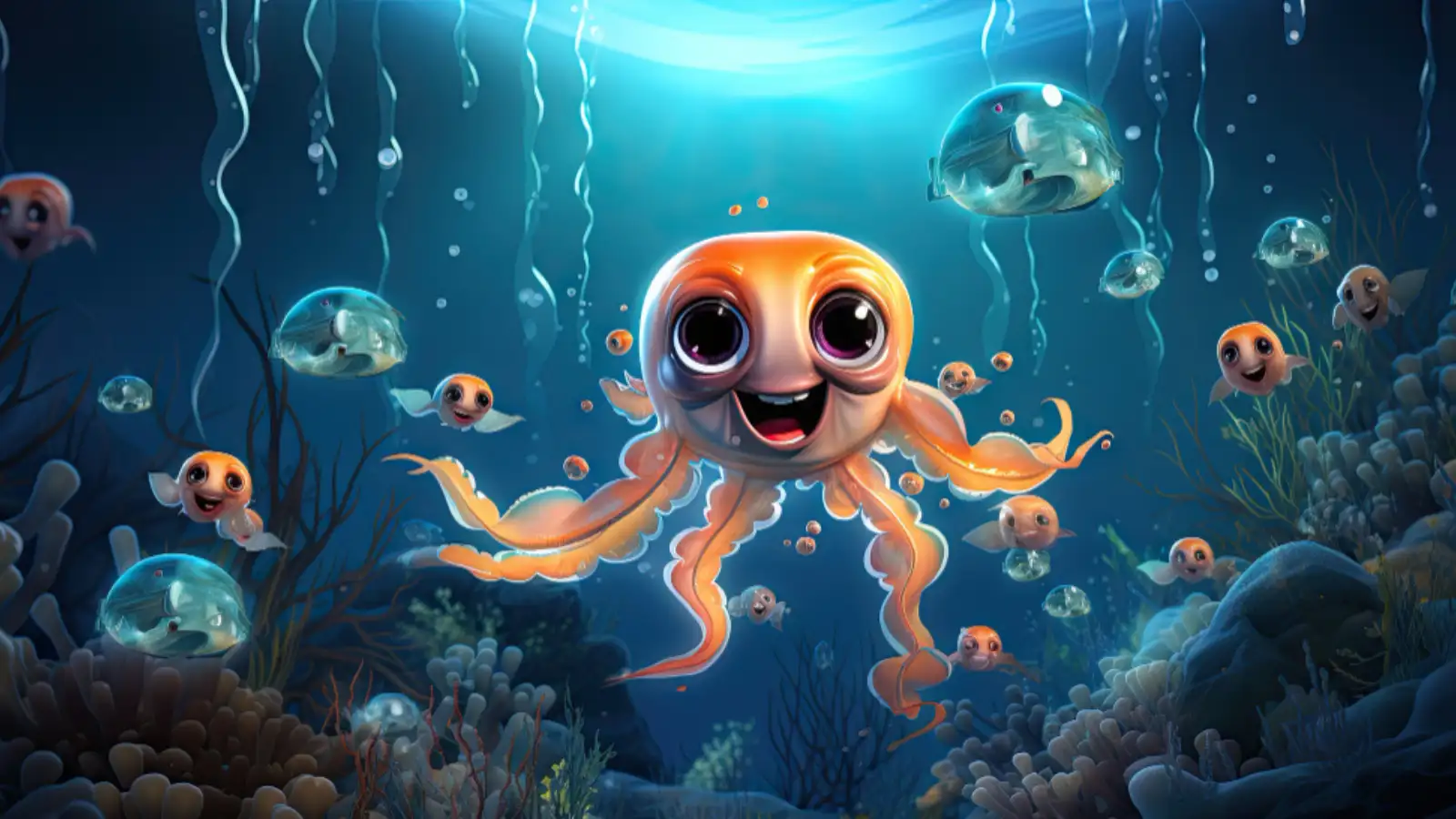
The deep sea remains one of the least explored places on our planet. While we often talk about space as the final frontier, the truth is that much of our own oceans are still unknown. What makes this world even more fascinating is the way life adapts to such extreme conditions. Creatures down there do not just survive. They evolve in ways that challenge everything we think we know about biology.
In this article, we will explore deep-sea creatures that look alien, understand why they look the way they do, and discover how these strange ocean animals thrive in complete darkness.
In such conditions, evolution takes a very different path. Instead of focusing on beauty or camouflage like in shallow waters, deep-sea life evolves for efficiency. Every feature serves a purpose. Glowing bodies, oversized mouths, transparent skin, and unusual shapes are not random. They are survival tools.
For example, bioluminescence is a common trait among deep-sea creatures. This natural ability to produce light helps them attract prey, communicate, or avoid predators. It is not just fascinating to look at, but essential for life in total darkness.
Take the Anglerfish, for instance. Its glowing lure is both beautiful and eerie. It uses this light to attract prey in the darkness, much like a fisherman using bait. Then there is the Goblin Shark, with its extendable jaw that shoots forward to catch prey in an instant. It looks unusual, but that design makes it highly effective in its environment.
The Barreleye Fish is another fascinating example. With its transparent head, you can actually see its internal structures, including its eyes. This unique feature helps it look upward through the darkness to spot food.
And then there is the Dumbo Octopus, named after its ear-like fins. It moves gracefully through the water, almost like it is flying. Despite its cute appearance, it is perfectly adapted to survive in extreme depths.
But deep in the ocean, sunlight does not exist. So how do creatures survive?
The answer lies in alternative energy sources. Some deep-sea ecosystems rely on hydrothermal vents, which release heat and chemicals from beneath the ocean floor. Certain microorganisms convert these chemicals into energy, forming the base of an entirely different food chain.
Creatures like the Vampire Squid and other deep-sea animals depend on this ecosystem. They feed on organic material that sinks from above or on organisms that thrive around these vents.
This ability to survive without sunlight makes deep-sea creatures even more fascinating. It shows that life can adapt in ways we never imagined.
Most surface animals would not survive even a fraction of that pressure. But deep-sea creatures have evolved bodies that can handle it. Many of them have soft, flexible tissues instead of rigid bones. This prevents them from being crushed.
Temperature is also a challenge. The deep ocean is incredibly cold, often close to freezing. Yet these creatures continue to thrive. Their metabolism is adapted to slow, energy-efficient living. They do not waste energy because every bit of it is precious.
Some rely on camouflage, even in darkness. Others use sudden bursts of light to confuse predators. Many have large mouths and expandable stomachs because food is scarce, and they cannot afford to miss a meal.
The Fangtooth Fish is a great example of this. Despite its relatively small size, it has enormous teeth. This allows it to grab and hold onto prey effectively. Similarly, the Gulper Eel has a huge mouth that can swallow prey much larger than itself.
Reproduction is another challenge in such a vast and empty environment. Some species have evolved unusual methods to ensure they can find mates. These strategies may seem strange, but they are essential for survival.
They play a key role in maintaining the balance of marine ecosystems. They help recycle nutrients and support food chains that extend all the way to the surface.
Beyond that, studying these creatures can lead to scientific breakthroughs. Their unique adaptations can inspire new technologies, medical advancements, and a better understanding of life itself.
In a way, they remind us that life is far more diverse and resilient than we often think.
With advancements in technology, we are slowly uncovering the secrets of the ocean’s depths. Submersibles and remote-operated vehicles are allowing us to explore areas that were once completely inaccessible.
And with each discovery, we are reminded that our planet still holds countless mysteries waiting to be explored.
The deep sea remains one of the least explored places on our planet. While we often talk about space as the final frontier, the truth is that much of our own oceans are still unknown. What makes this world even more fascinating is the way life adapts to such extreme conditions. Creatures down there do not just survive. They evolve in ways that challenge everything we think we know about biology.
In this article, we will explore deep-sea creatures that look alien, understand why they look the way they do, and discover how these strange ocean animals thrive in complete darkness.
Why Deep-Sea Creatures Look So Different
To understand why these creatures appear so unusual, you first need to picture their environment. The deep ocean is cold, dark, and under immense pressure. There is almost no light, very little food, and survival is a constant challenge.In such conditions, evolution takes a very different path. Instead of focusing on beauty or camouflage like in shallow waters, deep-sea life evolves for efficiency. Every feature serves a purpose. Glowing bodies, oversized mouths, transparent skin, and unusual shapes are not random. They are survival tools.
For example, bioluminescence is a common trait among deep-sea creatures. This natural ability to produce light helps them attract prey, communicate, or avoid predators. It is not just fascinating to look at, but essential for life in total darkness.
Creatures That Redefine What “Normal” Looks Like
When people talk about alien-like sea creatures, names like Anglerfish, Goblin Shark, Vampire Squid, Barreleye Fish, and Dumbo Octopus often come up. Each of these animals looks like it belongs in a science fiction movie rather than in Earth’s oceans.Take the Anglerfish, for instance. Its glowing lure is both beautiful and eerie. It uses this light to attract prey in the darkness, much like a fisherman using bait. Then there is the Goblin Shark, with its extendable jaw that shoots forward to catch prey in an instant. It looks unusual, but that design makes it highly effective in its environment.
The Barreleye Fish is another fascinating example. With its transparent head, you can actually see its internal structures, including its eyes. This unique feature helps it look upward through the darkness to spot food.
And then there is the Dumbo Octopus, named after its ear-like fins. It moves gracefully through the water, almost like it is flying. Despite its cute appearance, it is perfectly adapted to survive in extreme depths.
Life Without Sunlight
One of the most incredible aspects of deep-sea life is how it survives without sunlight. On the surface, sunlight drives almost all life processes. Plants need it for photosynthesis, and animals depend on plants either directly or indirectly.But deep in the ocean, sunlight does not exist. So how do creatures survive?
The answer lies in alternative energy sources. Some deep-sea ecosystems rely on hydrothermal vents, which release heat and chemicals from beneath the ocean floor. Certain microorganisms convert these chemicals into energy, forming the base of an entirely different food chain.
Creatures like the Vampire Squid and other deep-sea animals depend on this ecosystem. They feed on organic material that sinks from above or on organisms that thrive around these vents.
This ability to survive without sunlight makes deep-sea creatures even more fascinating. It shows that life can adapt in ways we never imagined.
The Role of Pressure and Temperature
Another major factor shaping deep-sea creatures is pressure. As you go deeper into the ocean, the pressure increases dramatically. At extreme depths, it can be hundreds of times greater than at the surface.Most surface animals would not survive even a fraction of that pressure. But deep-sea creatures have evolved bodies that can handle it. Many of them have soft, flexible tissues instead of rigid bones. This prevents them from being crushed.
Temperature is also a challenge. The deep ocean is incredibly cold, often close to freezing. Yet these creatures continue to thrive. Their metabolism is adapted to slow, energy-efficient living. They do not waste energy because every bit of it is precious.
Survival Strategies in a Harsh World
Survival in the deep sea is not easy, and every creature has developed unique strategies to stay alive.You may also like
- Don't Panic Over RBI's Rule on ₹10,000 Transactions; This Trick Enables Even Large Payments in the Blink of an Eye.
- Repo Rate: Banks Haven't Lowered EMIs, Yet Home Loan Borrowers Are Saving Lakhs—What Is the Secret Behind These Savings?
- Scam Alert: Receiving suspicious calls and messages repeatedly? Report them immediately on this portal..
- Aadhaar Card: What to Do with an Aadhaar Card If Someone Passes Away? Learn the Complete Step-by-Step Process..
- How satisfied are you with Delhi Metro's services? DMRC is set to launch a Customer Satisfaction Survey..
Some rely on camouflage, even in darkness. Others use sudden bursts of light to confuse predators. Many have large mouths and expandable stomachs because food is scarce, and they cannot afford to miss a meal.
The Fangtooth Fish is a great example of this. Despite its relatively small size, it has enormous teeth. This allows it to grab and hold onto prey effectively. Similarly, the Gulper Eel has a huge mouth that can swallow prey much larger than itself.
Reproduction is another challenge in such a vast and empty environment. Some species have evolved unusual methods to ensure they can find mates. These strategies may seem strange, but they are essential for survival.
Why These Creatures Matter
At first glance, deep-sea creatures may seem like nothing more than oddities. But they are incredibly important to our planet.They play a key role in maintaining the balance of marine ecosystems. They help recycle nutrients and support food chains that extend all the way to the surface.
Beyond that, studying these creatures can lead to scientific breakthroughs. Their unique adaptations can inspire new technologies, medical advancements, and a better understanding of life itself.
In a way, they remind us that life is far more diverse and resilient than we often think.
The Mystery Is Still Unfolding
What makes the deep sea even more exciting is how little we actually know about it. Scientists continue to discover new species every year, many of which look even more unusual than the ones we already know.With advancements in technology, we are slowly uncovering the secrets of the ocean’s depths. Submersibles and remote-operated vehicles are allowing us to explore areas that were once completely inaccessible.
And with each discovery, we are reminded that our planet still holds countless mysteries waiting to be explored.






More from our partners


Loving Newspoint? Download the app now
