
Do Color-Enhancing Diets Really Work for Ornamental Fish?

Bright, colourful fish can instantly transform an aquarium into a lively and eye-catching space. It is no surprise that many fish keepers look for ways to make their pets look even more vibrant. One popular approach is using color-enhancing diets. But do these foods truly work, or are they just a marketing trend? The answer lies in understanding how fish develop their colours and how diet plays a role.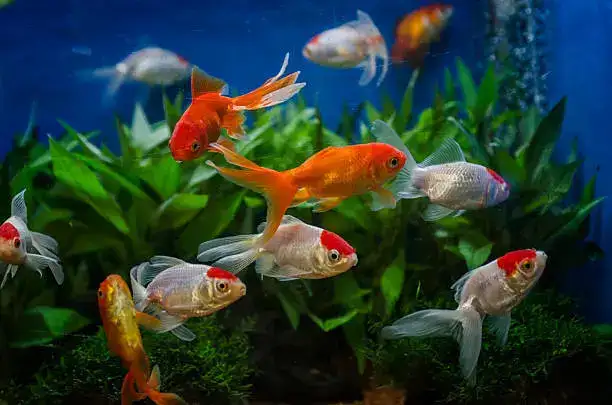
How Fish Develop Their Colours
Fish get their colours from specialised cells known as chromatophores. These cells store different types of pigments. Carotenoids are responsible for reds, oranges, and yellows, while melanins create darker shades like black and brown. Some fish also display blue and iridescent tones due to the way light reflects off their skin.
While genetics decide how colourful a fish can become, external factors determine how strong and bright those colours appear. Among these factors, diet is one of the most important.
The Science Behind Color-Enhancing Diets
Certain pigments, especially carotenoids like astaxanthin, beta-carotene, and lutein, cannot be produced by fish naturally. They must be obtained through food. Once consumed, these pigments are absorbed and gradually deposited in the fish’s skin and scales, enhancing their natural hues.
Scientific studies, particularly in aquaculture, have confirmed that diets rich in these compounds can significantly improve colour intensity. Fish such as goldfish, koi, and cichlids often show noticeable improvement when given pigment-rich diets over time. However, this process is gradual and depends on consistent feeding.
Natural Foods That Improve Colour
You do not always need packaged food to achieve better colour. Many natural food sources can help bring out the best in your fish while also supporting their overall health:
These foods not only enhance colour but also strengthen immunity and improve overall vitality.
Do Commercial Color-Enhancing Foods Deliver Results?
Commercial fish feeds labelled as “color-enhancing” are designed with added pigments and balanced nutrition. When used correctly, they can:
That said, their effectiveness depends on how they are used. Feeding them occasionally while maintaining a balanced diet works best. Overdependence on such foods without variety may lead to nutritional imbalances.
Common Myths vs Reality
Myth 1: Color-enhancing food can change a fish’s natural colour
Reality: These diets only intensify existing colours. They cannot alter genetic traits
Myth 2: More pigment leads to faster results
Reality: Excessive pigment intake can stress fish and even harm their health
Myth 3: Results appear instantly
Reality: Colour improvement takes time, often weeks or months, depending on care
Other Factors That Influence Fish Colour
Even the best diet will not work if other conditions are poor. Several factors affect how vibrant your fish appear:
Creating the Right Balance
To get the best results, focus on a balanced and varied diet. Combine staple foods with occasional color-enhancing options. Include live, frozen, and plant-based foods where suitable. Avoid overfeeding, as it can harm both the fish and the tank environment.
Regularly observe your fish. Bright colours, active movement, and healthy appetite are all signs that your feeding routine is working well.
Color-enhancing diets are not a myth. They are backed by science and can make a visible difference when used correctly. However, they are not a shortcut. True colour vibrancy comes from a mix of proper nutrition, clean water, good lighting, and low stress.
With consistent care and the right feeding habits, your ornamental fish can display their natural colours in the most striking way possible.
How Fish Develop Their Colours
Fish get their colours from specialised cells known as chromatophores. These cells store different types of pigments. Carotenoids are responsible for reds, oranges, and yellows, while melanins create darker shades like black and brown. Some fish also display blue and iridescent tones due to the way light reflects off their skin. While genetics decide how colourful a fish can become, external factors determine how strong and bright those colours appear. Among these factors, diet is one of the most important.
The Science Behind Color-Enhancing Diets
Certain pigments, especially carotenoids like astaxanthin, beta-carotene, and lutein, cannot be produced by fish naturally. They must be obtained through food. Once consumed, these pigments are absorbed and gradually deposited in the fish’s skin and scales, enhancing their natural hues. Scientific studies, particularly in aquaculture, have confirmed that diets rich in these compounds can significantly improve colour intensity. Fish such as goldfish, koi, and cichlids often show noticeable improvement when given pigment-rich diets over time. However, this process is gradual and depends on consistent feeding.
Natural Foods That Improve Colour
You do not always need packaged food to achieve better colour. Many natural food sources can help bring out the best in your fish while also supporting their overall health: - Algae and spirulina, which are rich in natural pigments
- Shrimp and krill, known for boosting red and orange tones
- Leafy vegetables for herbivorous species
- Insect larvae and plankton, which provide a mix of nutrients
These foods not only enhance colour but also strengthen immunity and improve overall vitality.
Do Commercial Color-Enhancing Foods Deliver Results?
Commercial fish feeds labelled as “color-enhancing” are designed with added pigments and balanced nutrition. When used correctly, they can: - Enhance red, orange, and yellow shades
- Improve overall health and energy levels
- Make natural patterns more visible
That said, their effectiveness depends on how they are used. Feeding them occasionally while maintaining a balanced diet works best. Overdependence on such foods without variety may lead to nutritional imbalances.
Common Myths vs Reality
Myth 1: Color-enhancing food can change a fish’s natural colour
Reality: These diets only intensify existing colours. They cannot alter genetic traits
Myth 2: More pigment leads to faster results
Reality: Excessive pigment intake can stress fish and even harm their health
Myth 3: Results appear instantly
Reality: Colour improvement takes time, often weeks or months, depending on care
Other Factors That Influence Fish Colour
Even the best diet will not work if other conditions are poor. Several factors affect how vibrant your fish appear: - Water quality: Clean and stable water helps maintain bright colours
- Lighting: Proper lighting enhances the visual appeal of fish
- Stress levels: Overcrowding or sudden changes can dull colours
- Health condition: Sick or weak fish often lose their natural brightness
Creating the Right Balance
To get the best results, focus on a balanced and varied diet. Combine staple foods with occasional color-enhancing options. Include live, frozen, and plant-based foods where suitable. Avoid overfeeding, as it can harm both the fish and the tank environment.Regularly observe your fish. Bright colours, active movement, and healthy appetite are all signs that your feeding routine is working well.
Color-enhancing diets are not a myth. They are backed by science and can make a visible difference when used correctly. However, they are not a shortcut. True colour vibrancy comes from a mix of proper nutrition, clean water, good lighting, and low stress.
With consistent care and the right feeding habits, your ornamental fish can display their natural colours in the most striking way possible.






More from our partners


Loving Newspoint? Download the app now
