
Do You Know Amrapali? The Woman Everyone Desired but No One Could Keep


“अनिच्चा वत संखारा उप्पादवयधम्मिनो।
उप्पज्जित्वा निरुज्जन्ति तेसं वूपसमो सुखो॥”
This famous Buddhist verse reminds us of a simple truth: everything in life changes. Beauty fades, power shifts, and admiration from the world never lasts forever. The story of Amrapali perfectly reflects this idea.
More than 2,500 years ago, in the ancient city of Vaishali in present day Bihar, lived a woman whose beauty and charm were talked about across kingdoms. Kings desired her attention, nobles admired her presence, and ordinary people were fascinated by her life. Yet Amrapali’s story is not only about beauty or fame. It is about a woman who experienced the height of admiration and still chose a completely different path.
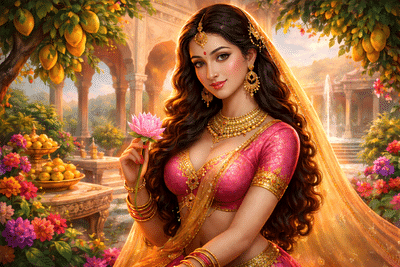
She is remembered today in Buddhist texts such as the Mahaparinibbana Sutta, where she appears as one of the important figures who interacted with Gautama Buddha during his final journeys.
1. A mysterious beginning in a mango groveMany traditional accounts say that Amrapali was found as a baby near a mango grove in Vaishali. Because of this, she was named Amrapali, which roughly means “the one connected with the mango tree.”
Whether this story is symbolic or historical, it highlights something important. Her identity was always linked with the mango grove, which later became the most important place in her spiritual journey.
As she grew up in Vaishali, she received education in music, dance, poetry, and conversation. These were not simple skills. In ancient India, such arts were considered marks of cultural refinement. People trained in these disciplines were respected in royal and elite circles.
Amrapali soon became known not just for her beauty but also for her intelligence and graceful presence.
2. Becoming the Nagarvadhu of Vaishali
As her reputation spread, the leaders of Vaishali made an unusual decision. They declared Amrapali the Nagarvadhu, which means the official courtesan of the city.
This role was unique in ancient society. The Nagarvadhu was not simply admired for beauty. She represented the cultural prestige and artistic excellence of the city. She entertained visiting dignitaries, participated in important gatherings, and was expected to be skilled in many arts.
Because of this position, Amrapali became one of the most famous women of her time. She lived in luxury, owned valuable property, and interacted with powerful people.
But fame also brought expectations. People admired her, desired her attention, and spoke about her across regions.
3. Admired even by powerful rulersDuring Amrapali’s time, northern India was witnessing major political changes. One of the most powerful rulers was King Ajatashatru of Magadha, whose kingdom was expanding rapidly.
Historical traditions mention that Ajatashatru himself became fascinated by Amrapali when he heard about her beauty and reputation in Vaishali. Stories like this show how widely her fame had spread.
Yet these stories also reveal something deeper. Even though many powerful people admired her, Amrapali remained independent. She was admired by many, but she belonged to no one.
4. The meeting that changed everythingThe turning point in Amrapali’s life came when Gautama Buddha visited Vaishali during his travels.
At that time, Buddha’s teachings were already spreading across northern India. People from many backgrounds were coming to hear him speak about suffering, desire, and the search for inner peace.
Amrapali invited the Buddha and his followers for a meal at her residence. According to the Mahaparinibbana Sutta, the Buddha accepted her invitation even before the wealthy nobles of Vaishali could invite him.
This decision surprised the elites of the city. They had assumed that such an honor would naturally go to them. Instead, it went to Amrapali.
This moment shows an important aspect of Buddha’s teachings. He did not judge people by their social labels. What mattered was sincerity and intention.
5. Listening to a different idea of lifeDuring her meeting with the Buddha, Amrapali heard teachings that spoke about the temporary nature of beauty, wealth, and pleasure.
For someone whose life had been built around admiration and luxury, these ideas must have been powerful. The Buddha’s message suggested that true peace does not come from being admired by others. It comes from understanding the nature of life itself.
Amrapali was deeply moved by these teachings. They made her reflect on the path she had been following.
6. The gift that changed her legacy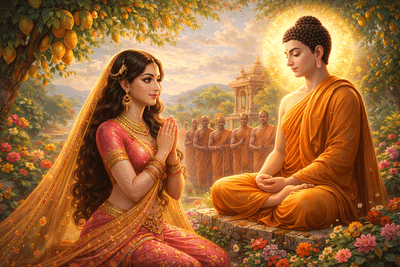
Soon after this meeting, Amrapali made a remarkable decision.
She donated her beautiful mango grove to the Buddha and the Buddhist monastic community. This grove became an important place where monks stayed and teachings were given.
In ancient India, donating land was not a small act. Land represented wealth, security, and prestige. By giving away such a valuable property, Amrapali showed that she was ready to let go of the life she had known.
This moment transformed how history remembered her. She was no longer only the famous courtesan of Vaishali. She became a supporter of a spiritual movement that would influence millions of people across centuries.
7. Choosing a new pathLater traditions say that Amrapali eventually renounced her luxurious lifestyle and became a follower of the Buddhist path.
This decision shocked many people who had known her only as the admired beauty of Vaishali. But it also demonstrated something powerful.
Human beings are capable of change.
Even someone who has experienced the highest level of fame and luxury can still choose a different direction when they discover deeper meaning in life.
Why Amrapali’s story still fascinates usMore than 2,500 years later, Amrapali’s story continues to inspire people. Part of the reason is that her life reflects a universal human experience.
Many people chase admiration, success, and recognition. These things feel important and exciting. But they often leave a question behind: is this all there is?
Amrapali lived through that question. She experienced admiration from the world, yet she still searched for something deeper.
उप्पज्जित्वा निरुज्जन्ति तेसं वूपसमो सुखो॥”
This famous Buddhist verse reminds us of a simple truth: everything in life changes. Beauty fades, power shifts, and admiration from the world never lasts forever. The story of Amrapali perfectly reflects this idea.
More than 2,500 years ago, in the ancient city of Vaishali in present day Bihar, lived a woman whose beauty and charm were talked about across kingdoms. Kings desired her attention, nobles admired her presence, and ordinary people were fascinated by her life. Yet Amrapali’s story is not only about beauty or fame. It is about a woman who experienced the height of admiration and still chose a completely different path.
She is remembered today in Buddhist texts such as the Mahaparinibbana Sutta, where she appears as one of the important figures who interacted with Gautama Buddha during his final journeys.
1. A mysterious beginning in a mango groveMany traditional accounts say that Amrapali was found as a baby near a mango grove in Vaishali. Because of this, she was named Amrapali, which roughly means “the one connected with the mango tree.”
Whether this story is symbolic or historical, it highlights something important. Her identity was always linked with the mango grove, which later became the most important place in her spiritual journey.
As she grew up in Vaishali, she received education in music, dance, poetry, and conversation. These were not simple skills. In ancient India, such arts were considered marks of cultural refinement. People trained in these disciplines were respected in royal and elite circles.
Amrapali soon became known not just for her beauty but also for her intelligence and graceful presence.
2. Becoming the Nagarvadhu of Vaishali
As her reputation spread, the leaders of Vaishali made an unusual decision. They declared Amrapali the Nagarvadhu, which means the official courtesan of the city.
This role was unique in ancient society. The Nagarvadhu was not simply admired for beauty. She represented the cultural prestige and artistic excellence of the city. She entertained visiting dignitaries, participated in important gatherings, and was expected to be skilled in many arts.
Because of this position, Amrapali became one of the most famous women of her time. She lived in luxury, owned valuable property, and interacted with powerful people.
But fame also brought expectations. People admired her, desired her attention, and spoke about her across regions.
3. Admired even by powerful rulersDuring Amrapali’s time, northern India was witnessing major political changes. One of the most powerful rulers was King Ajatashatru of Magadha, whose kingdom was expanding rapidly.
Historical traditions mention that Ajatashatru himself became fascinated by Amrapali when he heard about her beauty and reputation in Vaishali. Stories like this show how widely her fame had spread.
Yet these stories also reveal something deeper. Even though many powerful people admired her, Amrapali remained independent. She was admired by many, but she belonged to no one.
4. The meeting that changed everythingThe turning point in Amrapali’s life came when Gautama Buddha visited Vaishali during his travels.
At that time, Buddha’s teachings were already spreading across northern India. People from many backgrounds were coming to hear him speak about suffering, desire, and the search for inner peace.
Amrapali invited the Buddha and his followers for a meal at her residence. According to the Mahaparinibbana Sutta, the Buddha accepted her invitation even before the wealthy nobles of Vaishali could invite him.
This decision surprised the elites of the city. They had assumed that such an honor would naturally go to them. Instead, it went to Amrapali.
This moment shows an important aspect of Buddha’s teachings. He did not judge people by their social labels. What mattered was sincerity and intention.
5. Listening to a different idea of lifeDuring her meeting with the Buddha, Amrapali heard teachings that spoke about the temporary nature of beauty, wealth, and pleasure.
For someone whose life had been built around admiration and luxury, these ideas must have been powerful. The Buddha’s message suggested that true peace does not come from being admired by others. It comes from understanding the nature of life itself.
Amrapali was deeply moved by these teachings. They made her reflect on the path she had been following.
6. The gift that changed her legacy
Soon after this meeting, Amrapali made a remarkable decision.
She donated her beautiful mango grove to the Buddha and the Buddhist monastic community. This grove became an important place where monks stayed and teachings were given.
In ancient India, donating land was not a small act. Land represented wealth, security, and prestige. By giving away such a valuable property, Amrapali showed that she was ready to let go of the life she had known.
This moment transformed how history remembered her. She was no longer only the famous courtesan of Vaishali. She became a supporter of a spiritual movement that would influence millions of people across centuries.
7. Choosing a new pathLater traditions say that Amrapali eventually renounced her luxurious lifestyle and became a follower of the Buddhist path.
This decision shocked many people who had known her only as the admired beauty of Vaishali. But it also demonstrated something powerful.
Human beings are capable of change.
Even someone who has experienced the highest level of fame and luxury can still choose a different direction when they discover deeper meaning in life.
Why Amrapali’s story still fascinates usMore than 2,500 years later, Amrapali’s story continues to inspire people. Part of the reason is that her life reflects a universal human experience.
Many people chase admiration, success, and recognition. These things feel important and exciting. But they often leave a question behind: is this all there is?
Amrapali lived through that question. She experienced admiration from the world, yet she still searched for something deeper.
Next Story