
Do You Know the Highest Railway Station in the World?

Railways are more than tracks and trains. They are stories of ambition, adventure, and breathtaking landscapes. Among the most remarkable rail journeys in the world is the route that crosses the towering Tanggula Mountains in the Tibet Autonomous Region of China. Here stands the Tanggula Railway Station , officially the highest railway station on Earth, sitting at an astonishing altitude of 5,068 meters.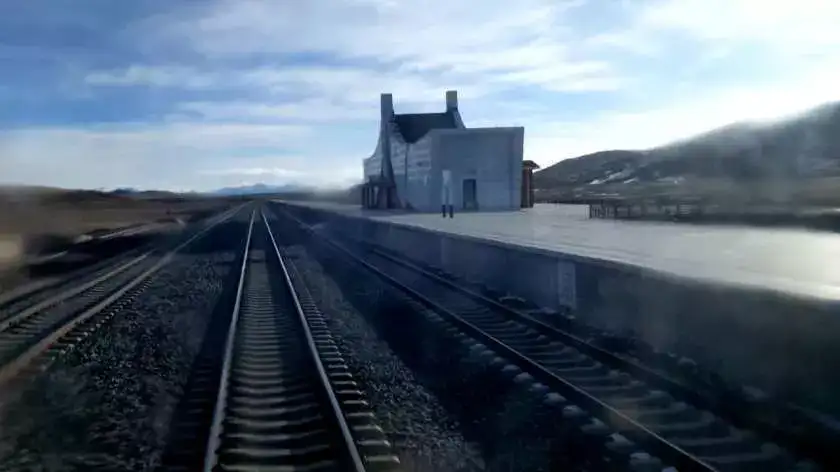
At this height, the air is thin and the scenery feels almost otherworldly. Snow covered peaks stretch into the distance, and vast grasslands lie silent under open skies. It is a place that feels untouched and dramatic in every sense.
A Marvel of Engineering
Tanggula Railway Station is part of the famous Qinghai–Tibet Railway, which connects Xining in Qinghai Province to Lhasa, the capital of Tibet. The railway runs for nearly 1,956 kilometers and is considered one of the most challenging rail lines ever built.
Opened in 2006, the railway project had to overcome extreme natural obstacles. Engineers dealt with frozen ground known as permafrost, severe cold, and dangerously low oxygen levels. Building tracks at such high altitude required innovation, persistence, and careful planning. The result is a railway that stands as a symbol of human determination.
A Station Without Passengers
Despite its world record status, Tanggula Railway Station is not a typical station. It operates without staff and has no passenger services. It was built mainly as a technical stop rather than a place for travelers to board or exit trains.
That means visitors cannot step off the train and explore the area. For many railway enthusiasts, this may sound disappointing. Yet the station’s remote location and quiet surroundings add to its mystique. There are no crowds, no busy platforms, and no city noise. Only the vast Tibetan Plateau surrounds it.
A Journey to Remember
While passengers cannot disembark at Tanggula, trains on the Qinghai–Tibet Railway allow travelers to witness the station and the breathtaking scenery from their seats. Special oxygen systems are available on board to help passengers adjust to the high altitude, making the journey safer and more comfortable.
The ride itself is the real highlight. As the train glides across the plateau, travelers see sweeping landscapes that feel both wild and peaceful. It is a rare chance to experience one of the highest regions in the world without climbing a mountain.
More Than a Record
Tanggula Railway Station is more than just a number in a record book. It represents the ability of human engineering to adapt to extreme environments. At the same time, it showcases the raw beauty of the Tibetan Plateau.
Even if you cannot step onto its platform, simply passing by this extraordinary station is a powerful reminder of how far rail travel has come. It is a journey that combines history, innovation, and nature in a way few other routes can match.
At this height, the air is thin and the scenery feels almost otherworldly. Snow covered peaks stretch into the distance, and vast grasslands lie silent under open skies. It is a place that feels untouched and dramatic in every sense.
A Marvel of Engineering
Tanggula Railway Station is part of the famous Qinghai–Tibet Railway, which connects Xining in Qinghai Province to Lhasa, the capital of Tibet. The railway runs for nearly 1,956 kilometers and is considered one of the most challenging rail lines ever built.Opened in 2006, the railway project had to overcome extreme natural obstacles. Engineers dealt with frozen ground known as permafrost, severe cold, and dangerously low oxygen levels. Building tracks at such high altitude required innovation, persistence, and careful planning. The result is a railway that stands as a symbol of human determination.
A Station Without Passengers
Despite its world record status, Tanggula Railway Station is not a typical station. It operates without staff and has no passenger services. It was built mainly as a technical stop rather than a place for travelers to board or exit trains.You may also like
- 'ISF workers attacked our leader in West Bengal's Bhangar area': Trinamool Congress
- Father sets youth's house on fire over love marriage in Maddur
- How StarAndDaisy Grew To ₹108.5 Cr Within Five Years By Re-Engineering Baby Gear
- Alcaraz sinks Fils to lift Qatar Open trophy
 Sarvam And The Sovereign AI Dream
That means visitors cannot step off the train and explore the area. For many railway enthusiasts, this may sound disappointing. Yet the station’s remote location and quiet surroundings add to its mystique. There are no crowds, no busy platforms, and no city noise. Only the vast Tibetan Plateau surrounds it.
A Journey to Remember
While passengers cannot disembark at Tanggula, trains on the Qinghai–Tibet Railway allow travelers to witness the station and the breathtaking scenery from their seats. Special oxygen systems are available on board to help passengers adjust to the high altitude, making the journey safer and more comfortable. The ride itself is the real highlight. As the train glides across the plateau, travelers see sweeping landscapes that feel both wild and peaceful. It is a rare chance to experience one of the highest regions in the world without climbing a mountain.
More Than a Record
Tanggula Railway Station is more than just a number in a record book. It represents the ability of human engineering to adapt to extreme environments. At the same time, it showcases the raw beauty of the Tibetan Plateau.Even if you cannot step onto its platform, simply passing by this extraordinary station is a powerful reminder of how far rail travel has come. It is a journey that combines history, innovation, and nature in a way few other routes can match.






More from our partners


Loving Newspoint? Download the app now
