
Doctors Reveal the Real Risks of Microwaving Food in Plastic

For many, the microwave is a lifesaver. Leftovers go straight from fridge to heat, often in the very plastic containers they were stored in. It’s quick, practical, and routine. But rising awareness about microplastics and chemical exposure is making doctors take a closer look. The risk may not be immediate, but experts warn it isn’t negligible.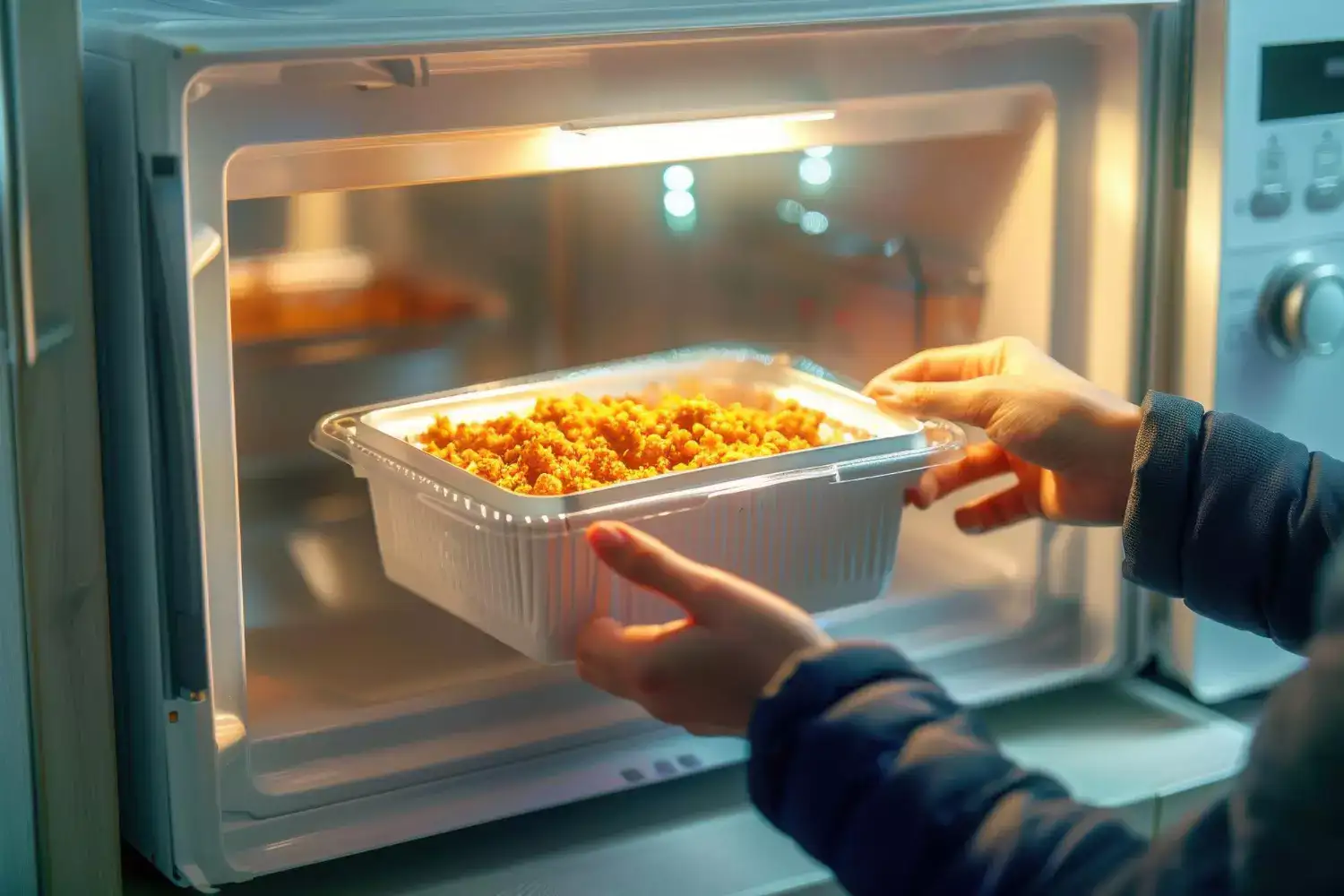
Medical professionals caution that while heating plastic occasionally isn’t instantly dangerous, repeated use over years could quietly affect health. Dr. Kanika Sood Sharma, Clinical Lead & Director, Radiation Oncology at Dharamshila Narayana Superspeciality Hospital, Delhi, says, “If you do this once in a while, it’s usually not a big deal, but scientists are looking into what happens if you do it a lot over many years."
Dr. Deepak Jha, Chief, Breast Surgery & Senior Consultant, Surgical Oncology at Artemis Hospitals, Gurugram, adds, “It’s not usually deadly to microwave plastic once, but it wouldn’t be right to say it’s safe. It’s better to say that it’s risky over time."
Dr. Sharma explains that while immediate harm isn’t proven, repeated exposure over years could contribute to inflammation, hormonal changes, and metabolic stress, factors that may influence long-term disease risk.
“Containers that say microwave-safe are made so they don’t break down quickly, but when heated over and over again, they might still let out small amounts of chemicals," says Dr. Jha. Scratched, cracked, or old containers are especially risky.
Dr. Sharma adds, “Microwave-safe does not mean risk-free," noting that food-grade polypropylene is lower risk than thin or single-use plastics but still requires caution after repeated use.
Dr. Jha recommends avoiding fatty or oily dishes in plastic and discarding old or damaged containers. Stainless steel for storage and glass for reheating are becoming household favorites for health-conscious families.
Microwaving plastic isn’t a dramatic, one-time threat, but it isn’t entirely harmless either. Small daily choices add up. Swapping plastic for glass or ceramic is a simple, low-effort way to cut chemical exposure and protect long-term health. When it comes to prevention, simplicity often wins.
Medical professionals caution that while heating plastic occasionally isn’t instantly dangerous, repeated use over years could quietly affect health. Dr. Kanika Sood Sharma, Clinical Lead & Director, Radiation Oncology at Dharamshila Narayana Superspeciality Hospital, Delhi, says, “If you do this once in a while, it’s usually not a big deal, but scientists are looking into what happens if you do it a lot over many years."
Dr. Deepak Jha, Chief, Breast Surgery & Senior Consultant, Surgical Oncology at Artemis Hospitals, Gurugram, adds, “It’s not usually deadly to microwave plastic once, but it wouldn’t be right to say it’s safe. It’s better to say that it’s risky over time."
What Happens When Plastic Heats Up
High microwave heat can weaken plastic, causing microplastics, tiny, invisible fragments, to mix with food. Chemicals like BPA and phthalates may also leach, especially when reheating oily, acidic, or spicy meals.Dr. Sharma explains that while immediate harm isn’t proven, repeated exposure over years could contribute to inflammation, hormonal changes, and metabolic stress, factors that may influence long-term disease risk.
Are ‘Microwave-Safe’ Containers Really Safe?
A microwave-safe label doesn’t mean chemical-free. It only guarantees the container won’t melt or warp easily.“Containers that say microwave-safe are made so they don’t break down quickly, but when heated over and over again, they might still let out small amounts of chemicals," says Dr. Jha. Scratched, cracked, or old containers are especially risky.
Dr. Sharma adds, “Microwave-safe does not mean risk-free," noting that food-grade polypropylene is lower risk than thin or single-use plastics but still requires caution after repeated use.
The Hormone Connection
Certain plastics can disrupt hormones, slowly affecting fertility, thyroid function, metabolism, and even early puberty in children. “Prolonged exposure has been linked to these issues," says Dr. Jha. Though subtle, the effects accumulate over time, making prevention important.Safer, Smarter Choices
Both experts agree on simple strategies: switch to glass or ceramic for reheating, avoid single-use takeaway boxes, and skip plastic wraps. Paper towels or microwave-safe lids are safer options for covering food.Dr. Jha recommends avoiding fatty or oily dishes in plastic and discarding old or damaged containers. Stainless steel for storage and glass for reheating are becoming household favorites for health-conscious families.
Microwaving plastic isn’t a dramatic, one-time threat, but it isn’t entirely harmless either. Small daily choices add up. Swapping plastic for glass or ceramic is a simple, low-effort way to cut chemical exposure and protect long-term health. When it comes to prevention, simplicity often wins.
Next Story