
Doomsday Glacier: Where It Is and Why It Earned Its Ominous Nickname

The Doomsday Glacier , scientifically known as Thwaites Glacier , is one of the most significant and closely watched ice masses on Earth. Located in the remote West Antarctic region, this massive glacier has earned its ominous nickname due to the potential global impact of its melting. Scientists warn that changes here could dramatically reshape coastlines worldwide.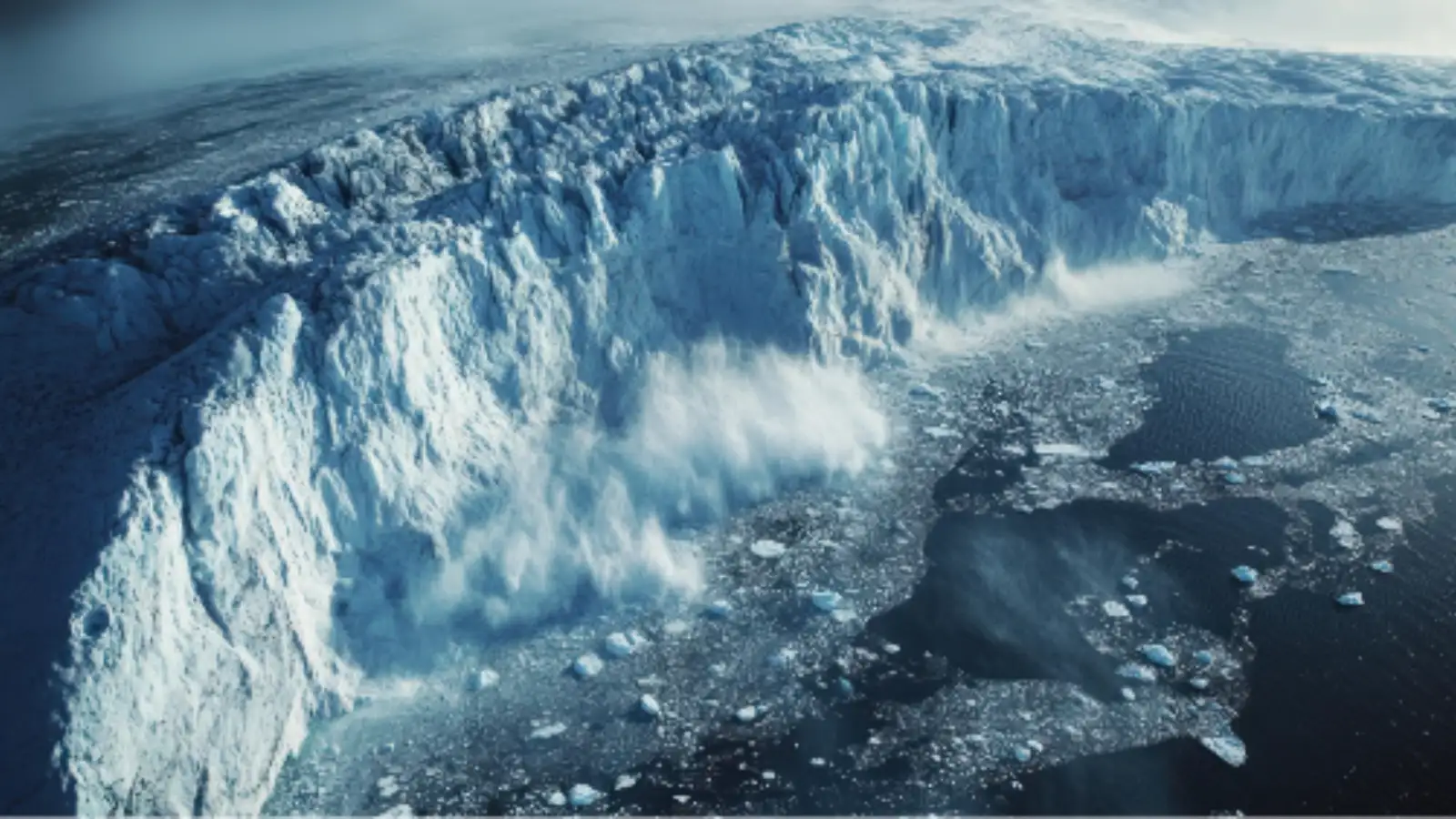
Locating Thwaites Glacier: Antarctica’s Giant Ice Flow
Thwaites Glacier lies in the Amundsen Sea region of West Antarctica , stretching approximately 120 kilometres (75 miles) wide - comparable in size to Great Britain. This glacier channels a vast portion of the West Antarctic Ice Sheet into the ocean. Its floating ice shelf, which extends over seawater, acts as a natural brake, slowing the flow of inland ice. When this stabilising ice shelf weakens, the glacier moves faster toward the ocean, accelerating ice loss.
Why It’s Called the ‘Doomsday Glacier’
The nickname “Doomsday Glacier” stems from its alarming potential to raise global sea levels. Thwaites Glacier alone contains enough ice to push sea levels up by over half a metre (about two feet) if fully melted. More importantly, it acts as a keystone glacier, stabilising nearby ice systems. A significant retreat here could trigger the destabilisation of surrounding glaciers, including Pine Island Glacier, amplifying global sea-level rise.
What Makes Thwaites Glacier So Fragile?
Thwaites Glacier’s vulnerability lies in its geography. Much of it rests on bedrock sloping inward, making it prone to marine ice sheet instability. Warm ocean waters erode the base of the ice shelf, gradually pushing the grounding line - the point where the glacier lifts off the bedrock - further inland. As the glacier moves over deeper bedrock, melting accelerates, creating a self-reinforcing cycle of ice loss.
Recent studies highlight warm circumpolar deep waters flowing beneath the glacier, further destabilising its ice shelf and hastening its movement toward the sea. International efforts, like the International Thwaites Glacier Collaboration (ITGC), have been launched to study this complex system and forecast its long-term behaviour.
Global Consequences of Thwaites Glacier Melting
While scientists do not predict an immediate collapse, the glacier’s long-term retreat poses serious threats. Rising sea levels could exacerbate flooding, erode coastlines, and contaminate freshwater supplies with saltwater intrusion. Major cities like Mumbai, Kolkata, New York, and Shanghai may face increasing vulnerability as oceans rise. The broader West Antarctic Ice Sheet holds enough ice to elevate sea levels by several meters over centuries if destabilised.
Is the Name “Doomsday” Justified?
Although Thwaites Glacier isn’t on the brink of sudden destruction, its retreat signals profound changes in Earth’s climate system. The moniker “Doomsday Glacier” serves as a stark reminder of the long-term consequences of climate change , melting polar ice, and warming oceans. Monitoring Thwaites is crucial not only for scientific understanding but also for preparing global communities for rising seas.
Locating Thwaites Glacier: Antarctica’s Giant Ice Flow
Thwaites Glacier lies in the Amundsen Sea region of West Antarctica , stretching approximately 120 kilometres (75 miles) wide - comparable in size to Great Britain. This glacier channels a vast portion of the West Antarctic Ice Sheet into the ocean. Its floating ice shelf, which extends over seawater, acts as a natural brake, slowing the flow of inland ice. When this stabilising ice shelf weakens, the glacier moves faster toward the ocean, accelerating ice loss.
Why It’s Called the ‘Doomsday Glacier’
The nickname “Doomsday Glacier” stems from its alarming potential to raise global sea levels. Thwaites Glacier alone contains enough ice to push sea levels up by over half a metre (about two feet) if fully melted. More importantly, it acts as a keystone glacier, stabilising nearby ice systems. A significant retreat here could trigger the destabilisation of surrounding glaciers, including Pine Island Glacier, amplifying global sea-level rise.
What Makes Thwaites Glacier So Fragile?
Thwaites Glacier’s vulnerability lies in its geography. Much of it rests on bedrock sloping inward, making it prone to marine ice sheet instability. Warm ocean waters erode the base of the ice shelf, gradually pushing the grounding line - the point where the glacier lifts off the bedrock - further inland. As the glacier moves over deeper bedrock, melting accelerates, creating a self-reinforcing cycle of ice loss.
Recent studies highlight warm circumpolar deep waters flowing beneath the glacier, further destabilising its ice shelf and hastening its movement toward the sea. International efforts, like the International Thwaites Glacier Collaboration (ITGC), have been launched to study this complex system and forecast its long-term behaviour.
Global Consequences of Thwaites Glacier Melting
While scientists do not predict an immediate collapse, the glacier’s long-term retreat poses serious threats. Rising sea levels could exacerbate flooding, erode coastlines, and contaminate freshwater supplies with saltwater intrusion. Major cities like Mumbai, Kolkata, New York, and Shanghai may face increasing vulnerability as oceans rise. The broader West Antarctic Ice Sheet holds enough ice to elevate sea levels by several meters over centuries if destabilised.
Is the Name “Doomsday” Justified?
Although Thwaites Glacier isn’t on the brink of sudden destruction, its retreat signals profound changes in Earth’s climate system. The moniker “Doomsday Glacier” serves as a stark reminder of the long-term consequences of climate change , melting polar ice, and warming oceans. Monitoring Thwaites is crucial not only for scientific understanding but also for preparing global communities for rising seas.
Next Story