
Simple Guide To Grow Fresh Herbs On Your Balcony At Home

Growing herbs on a balcony is an easy and practical way to enjoy fresh, natural ingredients at home without needing large garden spaces. Urban living often limits gardening space, but small balconies can still become productive herb growing zones with proper planning. Fresh herbs improve cooking flavours, reduce grocery costs, and offer a sustainable lifestyle option. Beginners can successfully grow herbs by choosing the right plants, pots, and care routines. This article explains simple balcony herb gardening methods in a clear, practical way for everyday use.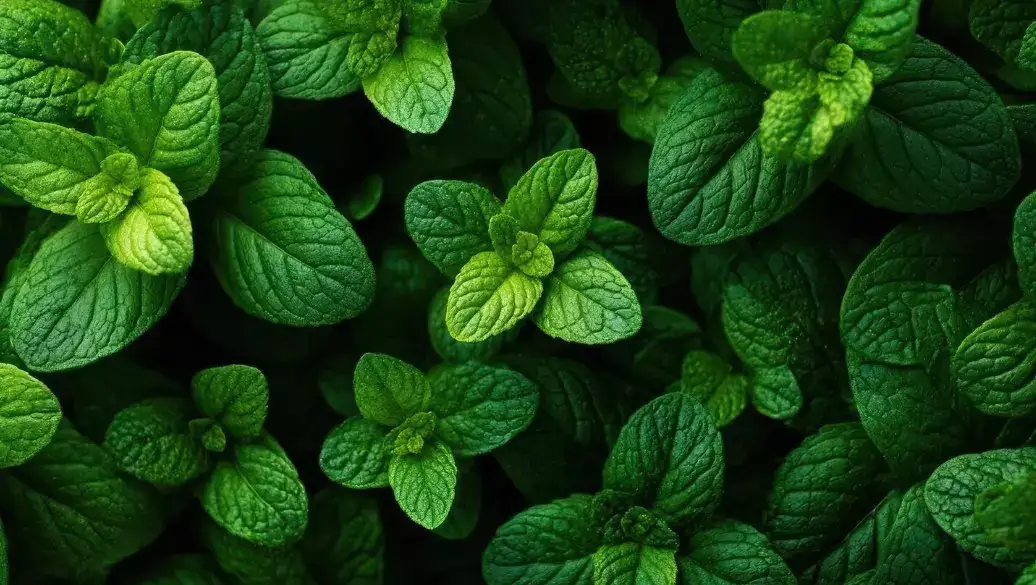
Balcony herb gardening is simple, affordable, and highly rewarding. With basic care, proper sunlight, good soil quality, and regular watering, anyone can successfully grow fresh herbs at home. Over time, even a small balcony can produce enough herbs for daily cooking needs, making home gardening both practical and enjoyable.
Choosing The Right Herbs For Balcony Growth
Selecting the right herbs is the most important first step for balcony gardening success. Beginners should start with easy growing herbs like mint, basil, coriander, and lemongrass. Mint grows very quickly and should be planted in a separate pot because it spreads aggressively. Basil requires warm weather and good sunlight exposure. Coriander grows well in cooler conditions and needs regular but moderate watering. Lemongrass is a low maintenance herb that grows steadily once established. Starting with 2 or 3 herbs helps beginners learn basic plant care before expanding their garden collection.Selecting Pots And Preparing Soil Mix
Using the right containers and soil mixture ensures healthy herb growth. Pots should always have drainage holes to prevent water from accumulating at the bottom. Terracotta pots are good because they allow better air movement around roots. Plastic pots can also be used if drainage is properly maintained. The soil should be a mixture of garden soil, organic compost, and coco peat in equal proportions. This combination provides nutrients, moisture retention, and proper root aeration. Adding organic compost once every 3 to 4 weeks helps maintain plant health and improves leaf growth.You may also like
- Gulf flight operations from Kerala hit for third day amid West Asia conflict
- Loan Moratorium: EMI relief or a costly deal? Understand the math before taking a loan moratorium..
- When Is the Best Time to Test LH and Progesterone for Ovulation
- Why Is Everyone Suddenly Talking About Aloe Vera for Skin and Hair
- Not NPS or UPS… This state government is offering the option of choosing APS, learn about the benefits; effective April 1.
Sunlight And Watering Requirements For Herbs
Most herbs require 4 to 6 hours of sunlight daily for proper growth. Placing plants near open balcony areas ensures adequate sunlight exposure. During extremely hot summer afternoons, providing light shade can protect plants from heat damage. Watering should be done carefully because overwatering can damage roots. The soil should feel slightly moist but not waterlogged. Watering plants early in the morning is generally best because it allows plants to absorb moisture before daytime heat increases evaporation. During rainy seasons, watering frequency should be reduced.Plant Care, Pruning And Pest Control
Regular maintenance helps keep herb plants healthy and productive. Removing dry or yellow leaves allows plants to focus energy on new growth. Pruning herb plants encourages bushier and healthier growth. Organic pest control methods are recommended instead of chemical sprays. Neem oil diluted with water can help control common insects and pests naturally. Checking plants regularly helps detect problems early and prevents damage from spreading to other plants. Proper air circulation around pots also helps prevent fungal growth.Harvesting And Using Homegrown Herbs
Herbs should be harvested carefully to promote continuous growth. Leaves should be picked from the top sections rather than removing entire stems. Regular harvesting encourages plants to produce more leaves. Homegrown herbs can be used in cooking, salads, teas, and garnishing dishes. Fresh herbs provide stronger aroma and better taste compared to dried herbs. Storing harvested herbs in airtight containers can help maintain freshness for longer periods.Balcony herb gardening is simple, affordable, and highly rewarding. With basic care, proper sunlight, good soil quality, and regular watering, anyone can successfully grow fresh herbs at home. Over time, even a small balcony can produce enough herbs for daily cooking needs, making home gardening both practical and enjoyable.






More from our partners


Loving Newspoint? Download the app now
