
How to Revive a Dying Plant and Bring It Back to Life

A drooping stem, yellow leaves, or dry soil can make any plant lover worry. But a struggling plant is not always a lost cause. In most cases, a few simple changes can bring your green companion back to life. With the right care and a little patience, your sick plant can turn over a new leaf, quite literally.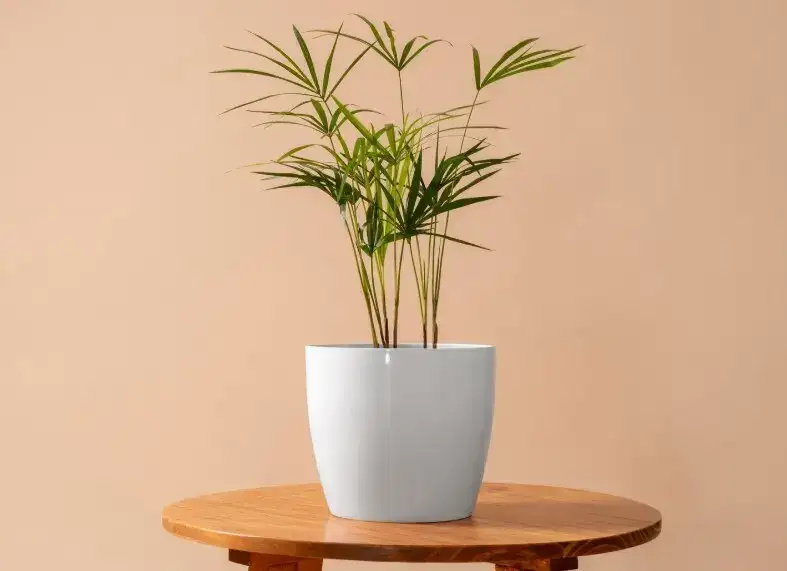
Look for the Warning Signs
Plants often show visible clues when something is wrong. Common symptoms include:
Check the Watering Routine
Overwatering is one of the biggest reasons houseplants suffer. If the soil feels soggy and the leaves are turning yellow, your plant may be drowning. On the other hand, dry, crumbly soil and limp leaves point to underwatering.
How to Fix It
Inspect the Roots
Healthy roots are white or light brown and firm. Dark, mushy, or foul-smelling roots indicate root rot.
What to Do
Give It the Right Light
Too much direct sunlight can scorch leaves, while too little light can stunt growth.
Light Tips
Feed Wisely
Plants need nutrients, but too much fertilizer can burn roots.
Best Practice
Raise Humidity
Many indoor plants, especially tropical varieties, thrive in humid conditions.
Easy Ways to Boost Humidity
Watch for Pests
Tiny insects like spider mites, aphids, and mealybugs can weaken plants.
Natural Pest Control
Prune Dead Growth
Removing yellow or damaged leaves helps the plant direct energy toward healthy growth.
Use sterilized scissors and cut only the affected parts.
Repot If Necessary
A root-bound plant may stop growing and dry out quickly.
Signs It Needs Repotting
Be Patient
Recovery takes time. Some plants bounce back in days, while others may need weeks or months. Keep providing consistent care and watch for signs of improvement like fresh leaves and stronger stems.
A sick plant is often asking for better conditions, not giving up. By adjusting watering, light, and soil, you can revive even a struggling houseplant. With patience and attention, your wilted favorite can become lush and healthy once again.
Look for the Warning Signs
Plants often show visible clues when something is wrong. Common symptoms include: - Yellow or brown leaves
- Wilting or drooping stems
- Mushy roots
- Dry, crispy edges
- Slow or no new growth
- Spots or pests on leaves
Check the Watering Routine
Overwatering is one of the biggest reasons houseplants suffer. If the soil feels soggy and the leaves are turning yellow, your plant may be drowning. On the other hand, dry, crumbly soil and limp leaves point to underwatering.How to Fix It
- Stick your finger an inch into the soil.
- Water only when the top layer feels dry.
- Make sure the pot has drainage holes.
- Empty excess water from saucers.
Inspect the Roots
Healthy roots are white or light brown and firm. Dark, mushy, or foul-smelling roots indicate root rot. What to Do
- Remove the plant from its pot.
- Trim damaged roots with clean scissors.
- Repot in fresh, well-draining soil.
- Reduce watering until new growth appears.
Give It the Right Light
Too much direct sunlight can scorch leaves, while too little light can stunt growth.You may also like
Light Tips
- Move sun-loving plants near bright windows.
- Keep shade-loving plants away from harsh afternoon sun.
- Rotate the pot every few weeks for even growth.
Feed Wisely
Plants need nutrients, but too much fertilizer can burn roots. Best Practice
- Use a balanced fertilizer during the growing season.
- Follow the instructions on the label.
- Avoid fertilizing a stressed plant until it begins to recover.
Raise Humidity
Many indoor plants, especially tropical varieties, thrive in humid conditions. Easy Ways to Boost Humidity
- Mist the leaves lightly.
- Place a tray of water and pebbles under the pot.
- Group plants together.
- Use a humidifier.
Watch for Pests
Tiny insects like spider mites, aphids, and mealybugs can weaken plants. Natural Pest Control
- Wipe leaves with a damp cloth.
- Spray with neem oil or insecticidal soap.
- Isolate infected plants from healthy ones.
Prune Dead Growth
Removing yellow or damaged leaves helps the plant direct energy toward healthy growth.Use sterilized scissors and cut only the affected parts.
Repot If Necessary
A root-bound plant may stop growing and dry out quickly. Signs It Needs Repotting
- Roots growing out of drainage holes
- Water runs straight through the pot
- Little to no new growth
Be Patient
Recovery takes time. Some plants bounce back in days, while others may need weeks or months. Keep providing consistent care and watch for signs of improvement like fresh leaves and stronger stems. A sick plant is often asking for better conditions, not giving up. By adjusting watering, light, and soil, you can revive even a struggling houseplant. With patience and attention, your wilted favorite can become lush and healthy once again.






More from our partners


Loving Newspoint? Download the app now
