
Hydration Beyond Water: Why Foods Can Keep You Cooler This Summer

As summer temperatures rise, most people instinctively reach for a glass of water to stay hydrated. While drinking water is essential, experts highlight that hydration is not just about how much you drink, it’s also about how well your body absorbs and retains that fluid.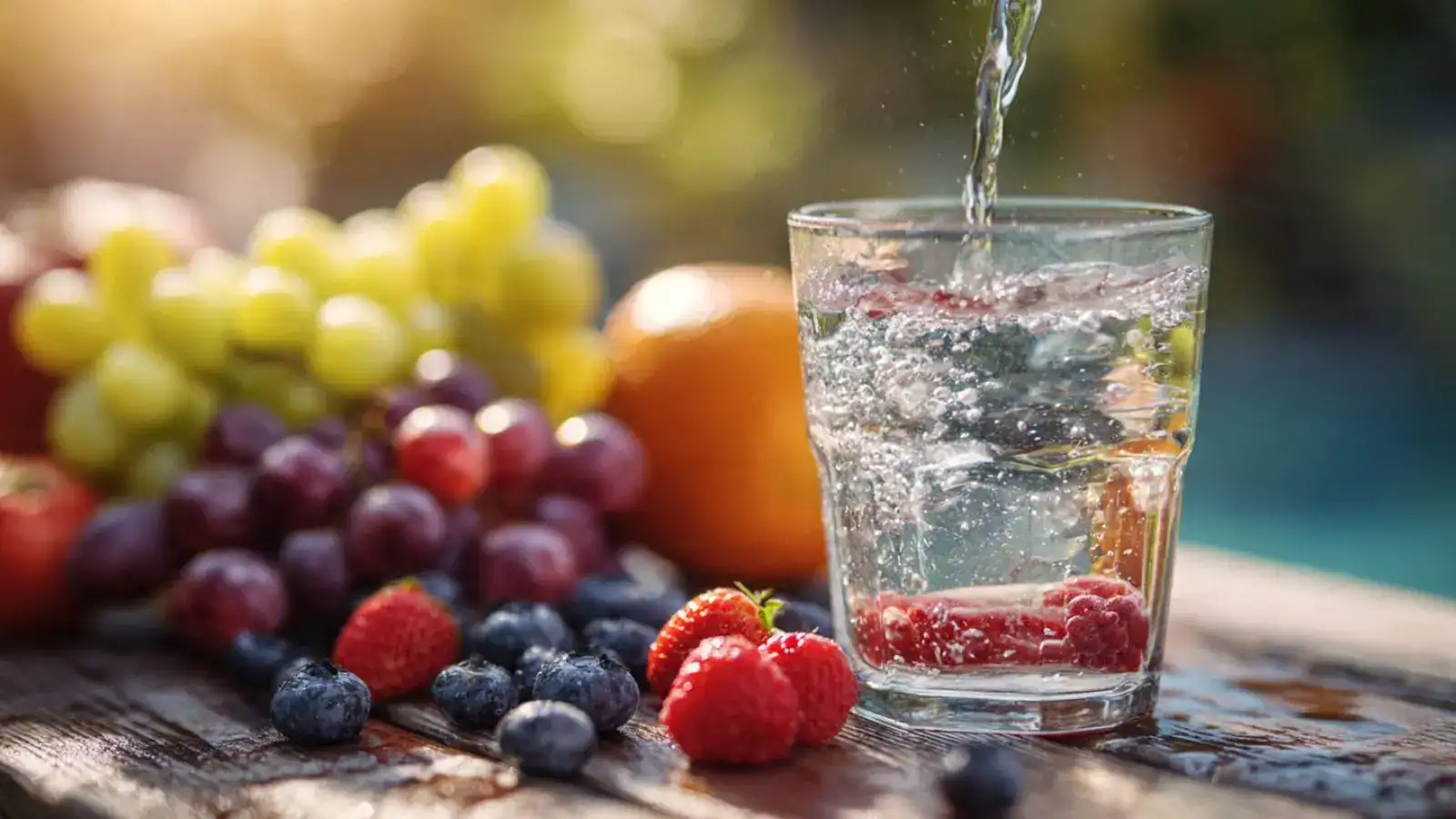
According to recent insights, hydrating foods can sometimes be more effective than plain water because they contain not only water but also essential nutrients and electrolytes. These elements help the body retain fluids more efficiently, supporting overall hydration levels.
Fruits and vegetables play a key role in this process. Many of them have extremely high water content, often over 90 percent, making them powerful natural hydrators. Foods like cucumbers, tomatoes, watermelon, and leafy greens contribute significantly to daily fluid intake while also delivering vitamins and minerals.
What makes these foods particularly beneficial is their ability to release water slowly into the body. Unlike drinking a large quantity of water at once, which may be quickly excreted, water from foods is absorbed gradually, helping maintain hydration for longer periods.
Another important factor is the presence of electrolytes such as potassium, magnesium, and sodium. These nutrients are essential for maintaining fluid balance in the body. Without them, simply drinking water may not be enough, as the body may struggle to retain it effectively.
Experts also point out that a portion of daily hydration already comes from food. In fact, around 20 percent of the body’s water intake can come from what we eat, especially when the diet includes fresh fruits and vegetables.
Hydrating foods offer an added advantage, they provide nutrition along with hydration. Unlike plain water, they contain fiber, antioxidants, and essential vitamins that support digestion, energy levels, and overall health. This makes them a more holistic way to stay hydrated during hot weather.
Incorporating such foods into daily meals can be simple. Adding fruits like watermelon or strawberries to snacks, including salads with cucumber and lettuce, or consuming yogurt and smoothies are easy ways to boost hydration levels. These options not only cool the body but also reduce reliance on excessive water intake alone.
However, this doesn’t mean water should be replaced entirely. Experts stress that a combination of both, drinking water and consuming hydrating foods, is the most effective way to stay hydrated, especially during extreme heat.
Ultimately, the idea of “eating your water” highlights a shift in how hydration is understood. It’s not just about quantity, but quality, ensuring that the body gets fluids along with the nutrients needed to use them efficiently.
According to recent insights, hydrating foods can sometimes be more effective than plain water because they contain not only water but also essential nutrients and electrolytes. These elements help the body retain fluids more efficiently, supporting overall hydration levels.
Fruits and vegetables play a key role in this process. Many of them have extremely high water content, often over 90 percent, making them powerful natural hydrators. Foods like cucumbers, tomatoes, watermelon, and leafy greens contribute significantly to daily fluid intake while also delivering vitamins and minerals.
What makes these foods particularly beneficial is their ability to release water slowly into the body. Unlike drinking a large quantity of water at once, which may be quickly excreted, water from foods is absorbed gradually, helping maintain hydration for longer periods.
Another important factor is the presence of electrolytes such as potassium, magnesium, and sodium. These nutrients are essential for maintaining fluid balance in the body. Without them, simply drinking water may not be enough, as the body may struggle to retain it effectively.
Experts also point out that a portion of daily hydration already comes from food. In fact, around 20 percent of the body’s water intake can come from what we eat, especially when the diet includes fresh fruits and vegetables.
Hydrating foods offer an added advantage, they provide nutrition along with hydration. Unlike plain water, they contain fiber, antioxidants, and essential vitamins that support digestion, energy levels, and overall health. This makes them a more holistic way to stay hydrated during hot weather.
Incorporating such foods into daily meals can be simple. Adding fruits like watermelon or strawberries to snacks, including salads with cucumber and lettuce, or consuming yogurt and smoothies are easy ways to boost hydration levels. These options not only cool the body but also reduce reliance on excessive water intake alone.
However, this doesn’t mean water should be replaced entirely. Experts stress that a combination of both, drinking water and consuming hydrating foods, is the most effective way to stay hydrated, especially during extreme heat.
Ultimately, the idea of “eating your water” highlights a shift in how hydration is understood. It’s not just about quantity, but quality, ensuring that the body gets fluids along with the nutrients needed to use them efficiently.
Next Story