
Eating Too Salty Food Every Day? Experts Warn of Hidden Health Dangers

Salt enhances taste, but eating overly salty food every day can quietly harm your health. According to nutritionists and doctors, excess sodium intake is one of the most overlooked dietary risks, often going unnoticed until it leads to serious health issues.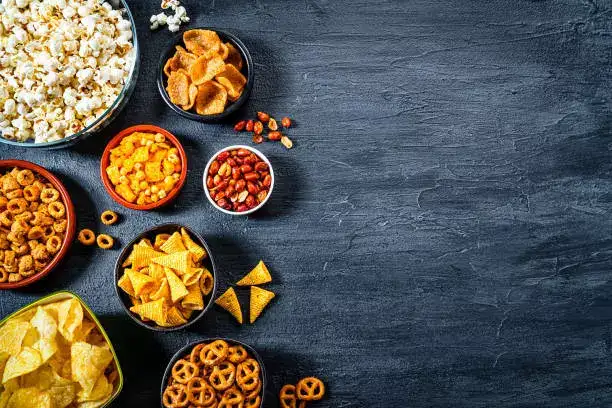
Why Do People Eat Too Much Salt?
Experts point to several reasons:
Doctors warn that daily overconsumption of salt can lead to multiple long-term health problems:
High Blood Pressure
Too much sodium causes the body to retain water, increasing blood volume and raising blood pressure a major risk factor for heart attacks and strokes.
Heart Disease Risk
Excess salt puts extra strain on the heart and blood vessels, increasing the risk of cardiovascular disease over time.
Kidney Damage
The kidneys work harder to remove excess sodium, which can weaken their function and increase the risk of kidney stones and chronic kidney disease.
Water Retention and Bloating
High salt intake often causes swelling, puffiness, and bloating due to fluid retention.
Digestive Issues
Experts say excessive salt may irritate the stomach lining and increase the risk of gastric problems when consumed long-term.
Bone Health Concerns
High sodium levels can increase calcium loss through urine, potentially weakening bones over time.
Why Processed Foods Are the Real Culprit
Nutrition experts stress that 70–80% of dietary sodium comes from processed and packaged foods not the salt shaker. Bread, soups, instant noodles, sauces, chips, and ready meals are major contributors.
Expert Tips to Reduce Salt Intake Safely
Doctors recommend gradual changes rather than sudden elimination:
Can Taste Buds Adjust?
Yes. Experts say taste buds can retrain within 2–4 weeks of reducing salt. Over time, natural flavors become more noticeable, and cravings decrease significantly.
When Should You See a Doctor?
If salt cravings are extreme or persistent, experts advise consulting a healthcare professional. In some cases, cravings may be linked to electrolyte imbalances, hormonal issues, or medications.
Eating too salty food every day may seem harmless, but experts warn it can lead to serious health problems over time. Moderation, awareness, and smarter food choices can help protect your heart, kidneys, and overall well-being — without sacrificing flavor.
How Much Salt Is Safe?
Health experts recommend limiting salt intake to less than 5 grams (about one teaspoon) per day. However, most people consume far more than this due to hidden salt in packaged foods , restaurant meals, sauces, pickles, and snacks.Why Do People Eat Too Much Salt?
Experts point to several reasons:
- Processed and fast foods loaded with sodium
- Habitual overuse of salt during cooking
- Taste adaptation, where food feels bland without extra salt
- Stress and emotional eating, increasing cravings for salty comfort foods
- Dehydration, which can mimic salt cravings
- Hidden Health Dangers of Excess Salt
Doctors warn that daily overconsumption of salt can lead to multiple long-term health problems:
High Blood Pressure
Too much sodium causes the body to retain water, increasing blood volume and raising blood pressure a major risk factor for heart attacks and strokes. Heart Disease Risk
Excess salt puts extra strain on the heart and blood vessels, increasing the risk of cardiovascular disease over time.Kidney Damage
The kidneys work harder to remove excess sodium, which can weaken their function and increase the risk of kidney stones and chronic kidney disease. Water Retention and Bloating
High salt intake often causes swelling, puffiness, and bloating due to fluid retention. Digestive Issues
Experts say excessive salt may irritate the stomach lining and increase the risk of gastric problems when consumed long-term. Bone Health Concerns
High sodium levels can increase calcium loss through urine, potentially weakening bones over time.Signs You’re Eating Too Much Salt
Experts highlight common warning signs such as:- Frequent thirst
- Swollen fingers or ankles
- Headaches
- Fatigue
- Dry mouth
- Cravings for salty snacks
Why Processed Foods Are the Real Culprit
Nutrition experts stress that 70–80% of dietary sodium comes from processed and packaged foods not the salt shaker. Bread, soups, instant noodles, sauces, chips, and ready meals are major contributors. Expert Tips to Reduce Salt Intake Safely
Doctors recommend gradual changes rather than sudden elimination:
- Drink enough water throughout the day
- Cook more meals at home using fresh ingredients
- Replace salt with herbs, spices, lemon, vinegar, or garlic
- Check food labels and choose low-sodium options
- Avoid adding extra salt at the table
- Manage stress through exercise or mindfulness
Can Taste Buds Adjust?
Yes. Experts say taste buds can retrain within 2–4 weeks of reducing salt. Over time, natural flavors become more noticeable, and cravings decrease significantly. When Should You See a Doctor?
If salt cravings are extreme or persistent, experts advise consulting a healthcare professional. In some cases, cravings may be linked to electrolyte imbalances, hormonal issues, or medications.Eating too salty food every day may seem harmless, but experts warn it can lead to serious health problems over time. Moderation, awareness, and smarter food choices can help protect your heart, kidneys, and overall well-being — without sacrificing flavor.






More from our partners


Loving Newspoint? Download the app now
