
Effective Exercises To Improve Posture While Using Phones And Prevent Daily Neck Strain

Daily Exercises To Fix Poor Posture From Mobile Phone Use And Stay Pain-Free: With smartphones becoming an essential part of daily life, many people spend hours looking down at their screens. This habit often leads to poor posture, commonly referred to as “text neck”, which can cause discomfort in the neck, shoulders, and back. Over time, this strain can affect spinal alignment and overall mobility. The good news is that simple posture correction exercises can help counter these effects. By incorporating a few easy movements into your daily routine, you can improve posture, reduce pain, and maintain better physical health while continuing to use your phone.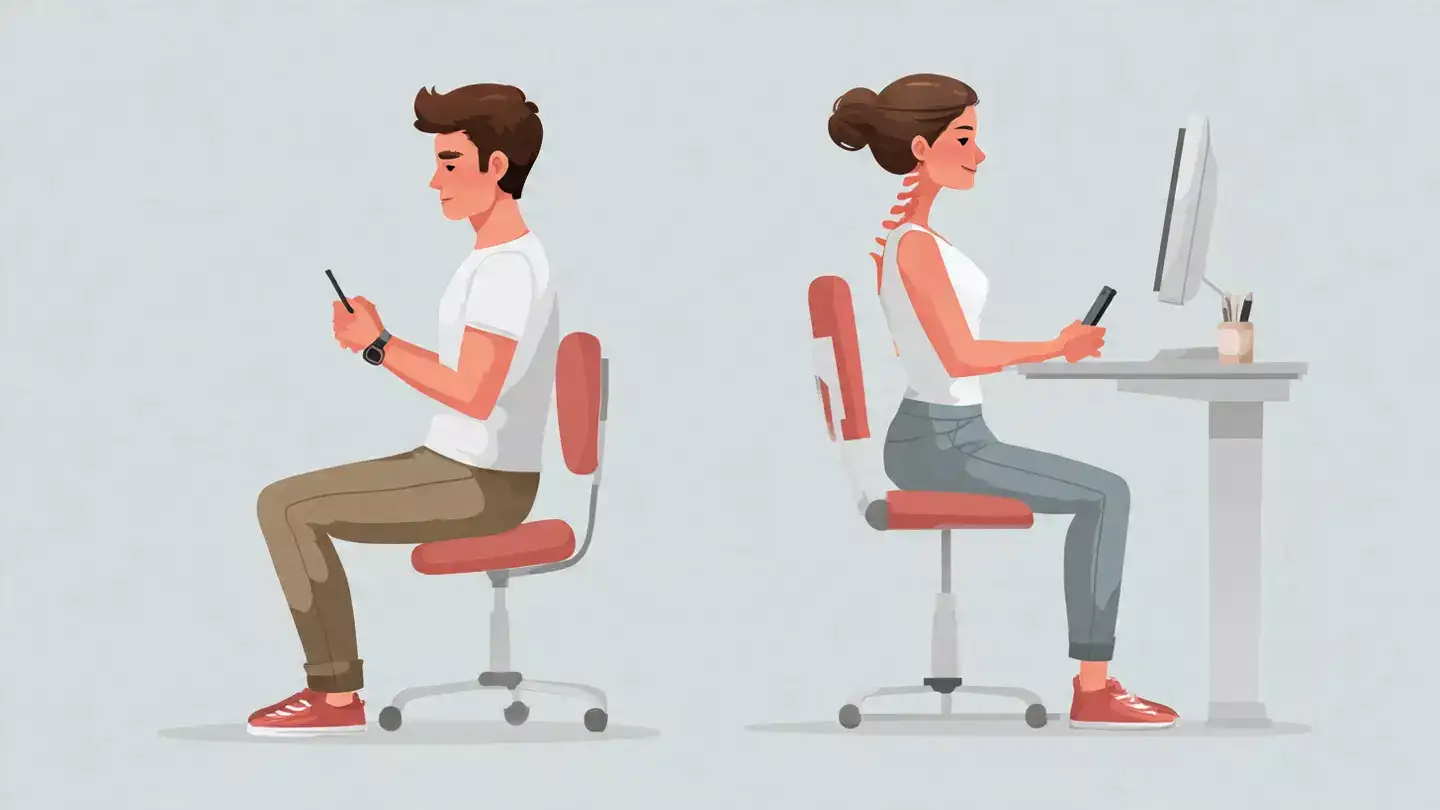
Poor posture from phone use does not just affect the neck. It can also cause rounded shoulders, tight chest muscles, and a weakened upper back. Over time, this imbalance may reduce flexibility and increase the risk of chronic discomfort.
Practising phone posture tips along with regular exercises can help restore balance and prevent long-term issues.
Sit or stand upright and slowly tilt your head towards one shoulder until you feel a stretch on the opposite side. Hold for a few seconds and repeat on the other side. You can also gently move your chin towards your chest and then lift it back to a neutral position.
These movements help release tension and improve flexibility in the neck muscles, making them essential for daily posture correction exercises.
Roll your shoulders forward in a circular motion for a few repetitions, then reverse the direction. This simple exercise increases blood flow and reduces tightness in the shoulder area.
To activate the upper back, try squeezing your shoulder blades together and holding the position briefly. This strengthens the muscles that support good posture and counters the effects of slouching.
Stand upright and clasp your hands behind your back. Gently lift your arms while keeping your shoulders relaxed. This opens up the chest and encourages proper alignment of the shoulders.
Regular practice of this stretch improves posture and allows easier breathing, which contributes to overall comfort.
Stand with your hands on your hips and gently lean backwards, holding the position for a few seconds. You can also perform seated back stretches by arching your back and then returning to a neutral position.
These movements support spinal mobility and reduce stiffness, making them a valuable part of any daily stretching routine .
Simple exercises such as planks or seated abdominal contractions can help strengthen the core. Engaging these muscles regularly provides better support for the spine and reduces the strain caused by poor posture.
Including core exercises in your routine enhances the effectiveness of other posture correction exercises.
Gentle wrist rotations and finger stretches can improve flexibility and reduce stiffness. Extending your arms and stretching your fingers helps relieve tension built up from repetitive movements.
These exercises may seem small, but they contribute significantly to overall comfort and mobility.
Hold your phone at eye level instead of bending your neck downward. Take regular breaks to stretch and move around. Adjust your sitting posture by keeping your back straight and shoulders relaxed.
These simple changes reduce strain and support the benefits of your exercise routine.
Start with a short routine and gradually increase duration as your flexibility and strength improve. Listening to your body and avoiding overexertion ensures safe and sustainable progress.
By combining posture correction exercises with mindful phone usage, you can maintain a healthy spine and stay comfortable throughout the day. A proactive approach ensures that technology remains a convenience rather than a source of physical strain.
Image Courtesy: Meta AI
Understanding The Impact Of Poor Phone Posture
When you look down at your phone for extended periods, your neck bends forward, placing extra pressure on the spine. This unnatural position can strain muscles and lead to stiffness or pain.Poor posture from phone use does not just affect the neck. It can also cause rounded shoulders, tight chest muscles, and a weakened upper back. Over time, this imbalance may reduce flexibility and increase the risk of chronic discomfort.
Practising phone posture tips along with regular exercises can help restore balance and prevent long-term issues.
Neck Stretch And Alignment Exercise
One of the most effective ways to reduce neck pain from phone use is through gentle stretching.Sit or stand upright and slowly tilt your head towards one shoulder until you feel a stretch on the opposite side. Hold for a few seconds and repeat on the other side. You can also gently move your chin towards your chest and then lift it back to a neutral position.
These movements help release tension and improve flexibility in the neck muscles, making them essential for daily posture correction exercises.
Shoulder Rolls And Upper Back Activation
Shoulder stiffness is a common result of prolonged phone use. Shoulder rolls can help relieve tension and improve mobility.Roll your shoulders forward in a circular motion for a few repetitions, then reverse the direction. This simple exercise increases blood flow and reduces tightness in the shoulder area.
To activate the upper back, try squeezing your shoulder blades together and holding the position briefly. This strengthens the muscles that support good posture and counters the effects of slouching.
Chest Opening Stretch
Using phones frequently often leads to a hunched posture, tightening the chest muscles. A chest opening stretch can help reverse this effect.Stand upright and clasp your hands behind your back. Gently lift your arms while keeping your shoulders relaxed. This opens up the chest and encourages proper alignment of the shoulders.
Regular practice of this stretch improves posture and allows easier breathing, which contributes to overall comfort.
Spine Extension And Back Stretch
Keeping the spine flexible is essential for maintaining good posture. Simple extension exercises can help counter the forward bending caused by phone use.Stand with your hands on your hips and gently lean backwards, holding the position for a few seconds. You can also perform seated back stretches by arching your back and then returning to a neutral position.
These movements support spinal mobility and reduce stiffness, making them a valuable part of any daily stretching routine .
Core Strengthening For Better Support
A strong core plays a vital role in maintaining proper posture. Weak core muscles can make it difficult to sit or stand upright for long periods.Simple exercises such as planks or seated abdominal contractions can help strengthen the core. Engaging these muscles regularly provides better support for the spine and reduces the strain caused by poor posture.
Including core exercises in your routine enhances the effectiveness of other posture correction exercises.
Wrist And Arm Mobility Exercises
Phone use also affects the wrists and arms, especially during prolonged texting or scrolling.Gentle wrist rotations and finger stretches can improve flexibility and reduce stiffness. Extending your arms and stretching your fingers helps relieve tension built up from repetitive movements.
These exercises may seem small, but they contribute significantly to overall comfort and mobility.
Building Healthy Phone Habits
While exercises are important, combining them with better habits can produce more effective results.Hold your phone at eye level instead of bending your neck downward. Take regular breaks to stretch and move around. Adjust your sitting posture by keeping your back straight and shoulders relaxed.
These simple changes reduce strain and support the benefits of your exercise routine.
Creating A Consistent Routine
Consistency is key when it comes to improving posture. Performing these exercises daily, even for a few minutes, can lead to noticeable improvements over time.Start with a short routine and gradually increase duration as your flexibility and strength improve. Listening to your body and avoiding overexertion ensures safe and sustainable progress.
Supporting Long-Term Posture Health
Improving posture while using phones is not just about avoiding discomfort today but also about protecting your long-term health. Small daily efforts can prevent chronic pain and improve overall wellbeing.By combining posture correction exercises with mindful phone usage, you can maintain a healthy spine and stay comfortable throughout the day. A proactive approach ensures that technology remains a convenience rather than a source of physical strain.
Image Courtesy: Meta AI
Next Story