
Simple Salt Water Method to Remove Pesticides from Vegetables at Home

Washing vegetables is a daily routine in most kitchens, but a quick rinse under the tap might not always remove stubborn pesticide residue. Many fruits and vegetables can carry surface pesticides, dirt and microbes picked up during farming and transit. While it is not possible to remove every trace of pesticides at home, a simple salt water soak can help reduce surface pesticide residue and make your everyday vegetables safer to eat. The key is using the right concentration of salt and enough soaking time before a thorough rinse.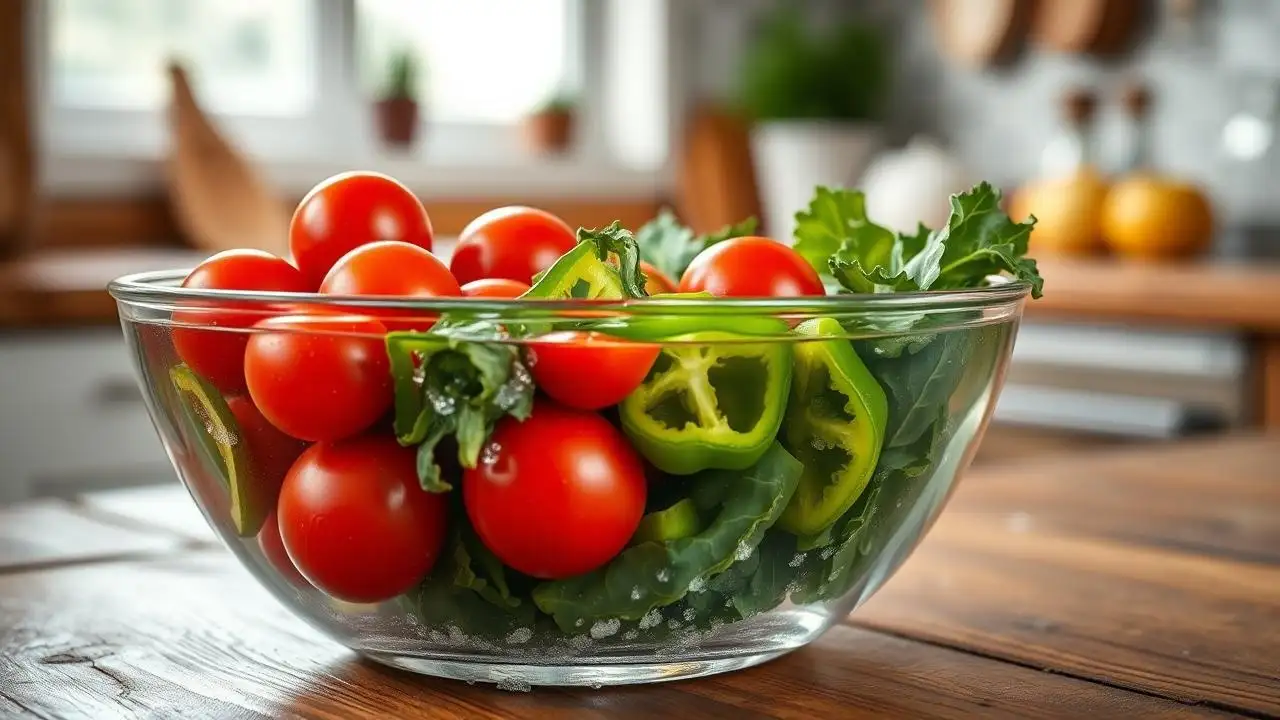
Why Salt Water Works for Cleaning Vegetables
Salt water creates a mildly concentrated solution that helps loosen dirt, tiny insects and some surface pesticide residue stuck to vegetable skins. It works especially well on leafy or layered produce like cabbage, spinach or cauliflower because the solution can reach into small crevices and gaps. This kitchen method does not affect the natural taste or texture when done correctly, making it a practical step for cleaning fresh produce.Step-by-Step Guide to Using Salt to Clean Vegetables
1. Prepare the Salt Water Solution
Start by filling a large bowl with clean water. Add 1 to 2 teaspoons of regular table salt per litre of water. Stir until the salt dissolves completely. The water should taste slightly salty but not overly briny.2. Pre-Rinse the Vegetables
Before you soak, give the vegetables a quick rinse under running water. This removes loose mud and prevents the soak water from becoming too dirty too soon.3. Soak for 10 to 15 Minutes
Fully submerge the vegetables in the salt solution and let them soak for about 10 to 15 minutes. For leafy greens, carefully separate the leaves so the solution gets into hidden spots. During this time, salt helps loosen grime and some pesticide residue.4. Gently Rub or Agitate
After soaking, lightly rub firm produce like cucumbers, brinjals or potatoes with your hands. For leafy greens, swish them gently in the water. This physical action helps dislodge anything the soaking might not remove.5. Rinse Thoroughly with Clean Water
Once soaking and rubbing are done, rinse the vegetables well under running water to wash away loosened dirt, any remaining salt and surface residues. This step is crucial for cleaner, safer produce.6. Dry Before Storing or Cooking
Drain the cleaned vegetables in a colander and let excess moisture evaporate. You can also pat them dry. Dry produce stores better and cooks more evenly.Best Vegetables to Clean with Salt Water
Salt soaking works well for many types of vegetables, including:- Leafy greens like spinach, lettuce and methi
- Layered vegetables like cabbage and cauliflower
- Firm produce like cucumber, brinjal and capsicum
- Vegetables grown close to the soil surface
These items often trap more dirt and surface pesticide residue, making the salt water vegetable wash method especially useful.
Important Limits of Salt Washing
It is vital to know that a salt water soak mainly reduces surface pesticide residue. It does not remove pesticides that have penetrated deep into the vegetable flesh or systemically absorbed by the plant. For more thorough cleaning, peeling, trimming outer leaves or choosing produce from trusted sources further improves safety.Extra Kitchen Tips for Cleaner Produce
- Use a large bowl so the vegetables are fully submerged.
- Avoid soaking delicate greens too long as it may affect texture.
- Always rinse after soaking. Do not cook directly from salt water.
Why Proper Vegetable Washing Matters
Using salt water to clean vegetables is an easy, affordable way to reduce pesticide residue, surface dirt and tiny pests from fresh produce. While it cannot remove every trace of chemicals, salt water washing is a helpful step in safer food preparation at home. Combining this technique with proper handling and storage helps protect your family’s health and ensures fresher, cleaner meals.Next Story