
Empowering Young Minds: Practical Strategies for Handling Peer Pressure in Primary School Kids

The primary school years are a foundational period where children transition from the insular world of the family into a broader social landscape. During this time, the influence of friends and classmates begins to rival that of parents, making it the perfect breeding ground for social influence. While peer pressure is often associated with teenagers, it actually begins much earlier, appearing in subtle forms like the desire to own a specific toy or the fear of being left out of a game. Helping children navigate these waters is essential for their long-term confidence. By providing the right support, parents can ensure their children develop a strong internal compass that guides them through these early social challenges.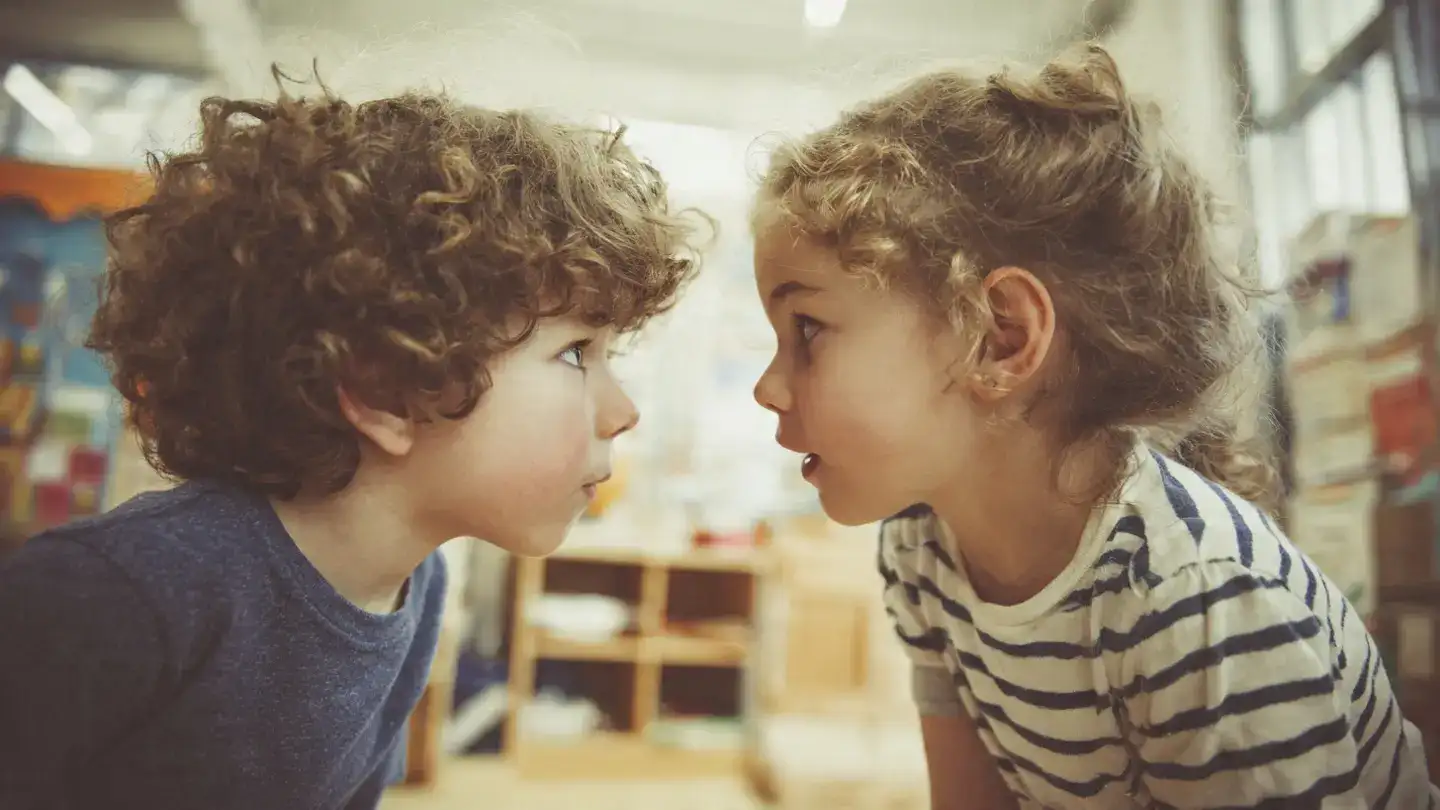
As a parent, observing your child’s behaviour after school is vital. Do they seem unusually quiet, or are they suddenly insisting on changing a hobby they used to love? These shifts often indicate that they are trying to mould themselves into a version of a person they believe will be more acceptable to their peers. Recognising these signs early allows for gentle intervention before the pressure becomes overwhelming. It creates an opening for a conversation where the child feels safe enough to express their worries without fear of judgement or dismissal.
Encouraging diverse friendships outside of the school environment can also be incredibly beneficial. Whether through local sports clubs, art classes, or family friends, having multiple social circles shows a child that if one group is making them feel pressured, there are other places where they are accepted unconditionally. This "social safety net" reduces the perceived power of school-based cliques. When a child knows they have a place where they truly belong, the threat of being excluded by one specific group loses its sting, allowing them to stand their ground more easily.
It is also helpful to teach them the "delay" tactic. If they feel pressured to do something they aren't sure about, they can say, "Let me think about it" or "I’ll let you know later." This gives them the breathing room to step away from the immediate social heat and decide what they actually want to do. Assertiveness isn't about being the loudest person in the room; it’s about having the quiet confidence to remain true to one’s own values. These communication tools are life skills that will serve them well into adulthood, far beyond the primary school gates.
Ultimately, parental guidance strategies should focus on keeping the lines of communication wide open. Ensure your child knows that they can come to you with any problem, no matter how small it might seem. When they do share, listen more than you speak. Validate their feelings by saying things like, "That sounds like a really tough spot to be in." When children feel understood and supported, they are much more likely to trust their own instincts. By working together to build their confidence and resilience today, you are preparing them to be the independent, self-assured leaders of tomorrow.
Image Courtesy: Meta AI
Identifying Common Peer Pressure Triggers
Understanding the root of the problem is the first step in offering help. In younger children, peer pressure triggers are rarely about high-stakes rebellion; instead, they usually revolve around the desperate need for belonging. For a seven-year-old, the pressure might manifest as an urge to tease another child simply because the "popular" group is doing it. It could also involve feeling ashamed of a healthy packed lunch or a specific pair of shoes that doesn't match the current playground trend. These moments, though seemingly minor to adults, feel monumental to a child who is just learning how to define themselves within a group.As a parent, observing your child’s behaviour after school is vital. Do they seem unusually quiet, or are they suddenly insisting on changing a hobby they used to love? These shifts often indicate that they are trying to mould themselves into a version of a person they believe will be more acceptable to their peers. Recognising these signs early allows for gentle intervention before the pressure becomes overwhelming. It creates an opening for a conversation where the child feels safe enough to express their worries without fear of judgement or dismissal.
Fostering Positive Self-Esteem in Children
The strongest defence against negative social influence is a healthy sense of self-worth. Developing positive self-esteem in children involves celebrating their unique qualities and encouraging them to pursue interests that aren't necessarily "trendy." When a child feels valued for who they are at home, they are less likely to seek external validation from a fickle group of classmates. You can nurture this by praising their effort and character—such as their kindness or persistence—rather than just their achievements or appearance. This helps them understand that their value is intrinsic and not dependent on the approval of others.Encouraging diverse friendships outside of the school environment can also be incredibly beneficial. Whether through local sports clubs, art classes, or family friends, having multiple social circles shows a child that if one group is making them feel pressured, there are other places where they are accepted unconditionally. This "social safety net" reduces the perceived power of school-based cliques. When a child knows they have a place where they truly belong, the threat of being excluded by one specific group loses its sting, allowing them to stand their ground more easily.
Teaching Assertive Communication Skills
One of the most practical tools you can give a child is the ability to say "no" without being aggressive or overly timid. Developing assertive communication skills involves role-playing different scenarios that might occur on the playground. You can practice "I" statements with your child, such as "I don't really want to do that" or "I think I'll play over here instead." These rehearsals turn a frightening social confrontation into a familiar script. By practicing these responses at home, the child gains the "muscle memory" needed to speak up when they are in a high-pressure situation.It is also helpful to teach them the "delay" tactic. If they feel pressured to do something they aren't sure about, they can say, "Let me think about it" or "I’ll let you know later." This gives them the breathing room to step away from the immediate social heat and decide what they actually want to do. Assertiveness isn't about being the loudest person in the room; it’s about having the quiet confidence to remain true to one’s own values. These communication tools are life skills that will serve them well into adulthood, far beyond the primary school gates.
Building Emotional Resilience for the Long Term
Success in handling social challenges comes down to building emotional resilience. This means teaching children that it is okay to feel uncomfortable and that they can bounce back from social awkwardness or even temporary rejection. If a child makes a mistake and gives in to peer pressure, it should be treated as a learning opportunity rather than a failure. Discuss what happened, how it made them feel, and what they might do differently next time. This reflective process helps them develop the "grit" required to handle more complex social pressures as they grow older.Ultimately, parental guidance strategies should focus on keeping the lines of communication wide open. Ensure your child knows that they can come to you with any problem, no matter how small it might seem. When they do share, listen more than you speak. Validate their feelings by saying things like, "That sounds like a really tough spot to be in." When children feel understood and supported, they are much more likely to trust their own instincts. By working together to build their confidence and resilience today, you are preparing them to be the independent, self-assured leaders of tomorrow.
Image Courtesy: Meta AI
Next Story