
Ensuring Proper Nutrition For Senior Citizens In Indian Households For Healthy Ageing

As the population ages, it becomes increasingly important for Indian households to focus on the nutritional needs of senior citizens. Proper diet and nutrient intake can significantly improve quality of life, boost immunity, and prevent age-related health issues such as osteoporosis, diabetes, and heart disease. While the elderly may require fewer calories, their need for essential vitamins, minerals, and proteins remains high. Understanding these dietary requirements helps families provide meals that support physical health, cognitive function, and overall wellbeing. Incorporating balanced nutrition in everyday routines is key to ensuring that senior members live active and healthy lives.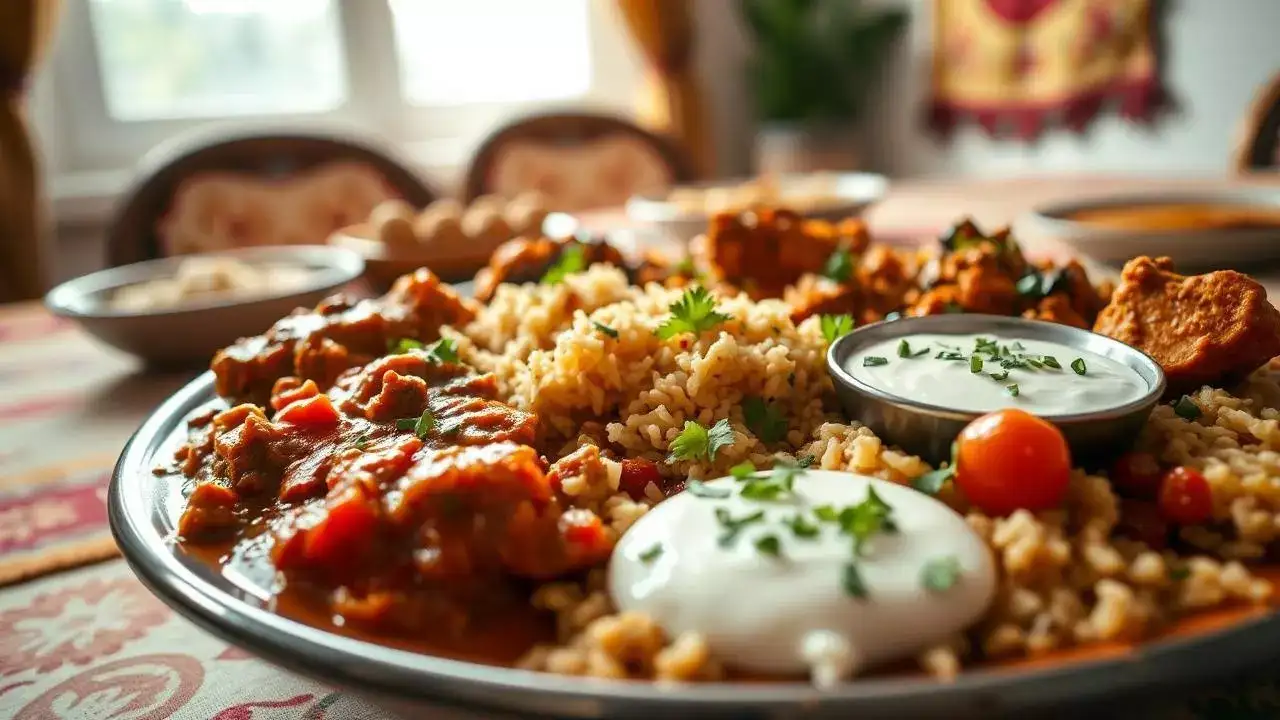
Meeting the nutritional needs of senior citizens is essential for promoting healthy ageing in Indian households. Balanced meals rich in protein, calcium, vitamins, minerals, and fibre, along with proper hydration, can significantly enhance wellbeing and prevent age-related ailments. Families play a crucial role in ensuring that elderly members receive a variety of nutritious foods while enjoying familiar, comforting flavours. With thoughtful meal planning and awareness of dietary requirements, Indian households can support the physical and mental health of senior citizens, allowing them to lead active, fulfilling lives.
Importance of Balanced Meals for Elderly Health
Balanced meals for senior citizens are crucial in preventing deficiencies and maintaining strength. A diet that includes adequate proteins, complex carbohydrates, healthy fats, vitamins, and minerals helps in sustaining muscle mass, supporting digestion, and enhancing energy levels. Indian households can adapt traditional meals by including more whole grains, legumes, low-fat dairy, and seasonal fruits and vegetables. Consistent meal timing and portion control also contribute to better metabolism and overall health. Families should emphasise nutrient-dense foods rather than high-calorie options to meet the changing metabolic requirements of ageing adults.Protein and Calcium for Bone and Muscle Health
Protein and calcium play a vital role in maintaining bone density and muscle strength in seniors. Foods like lentils, paneer, eggs, yoghurt, and milk are excellent sources of protein, while calcium-rich items such as fortified dairy products, ragi, and green leafy vegetables help prevent osteoporosis. Including these foods in daily meals supports joint health and reduces the risk of falls. Indian households can creatively combine these ingredients into curries, dals, and salads, making meals both nutritious and palatable for elderly family members.Vitamins and Minerals to Boost Immunity
Senior citizens are more susceptible to infections and immune-related issues. Adequate intake of vitamins A, C, D, and E, along with minerals like zinc and magnesium, is essential for maintaining a strong immune system. Citrus fruits, guavas, carrots, nuts, seeds, and fortified cereals are ideal for providing these nutrients. Indian households can enrich regular meals by adding vitamin-rich vegetables and fruits as sides or in smoothies, ensuring seniors receive a variety of essential nutrients daily.Hydration and Digestive Health
Staying hydrated is often overlooked but critical for senior citizens. Water, herbal teas, soups, and fresh fruit juices aid digestion and prevent dehydration, which can lead to fatigue and urinary issues. Including fibre-rich foods like whole grains, fruits, and vegetables also supports regular bowel movements and gut health. Families should encourage seniors to sip water throughout the day and balance their diet with easily digestible meals, avoiding excessive fried or processed foods.Meal Planning Strategies for Indian Households
Planning meals for senior citizens requires understanding both taste preferences and nutritional needs. Preparing simple, wholesome recipes that combine grains, legumes, dairy, and vegetables ensures that every meal is balanced. Incorporating traditional Indian spices such as turmeric, cumin, and coriander not only enhances flavour but also offers anti-inflammatory and digestive benefits. Small, frequent meals can help prevent overeating and maintain consistent energy levels throughout the day. By planning menus in advance and including diverse foods, families can create a sustainable, healthy diet for their elderly members.Meeting the nutritional needs of senior citizens is essential for promoting healthy ageing in Indian households. Balanced meals rich in protein, calcium, vitamins, minerals, and fibre, along with proper hydration, can significantly enhance wellbeing and prevent age-related ailments. Families play a crucial role in ensuring that elderly members receive a variety of nutritious foods while enjoying familiar, comforting flavours. With thoughtful meal planning and awareness of dietary requirements, Indian households can support the physical and mental health of senior citizens, allowing them to lead active, fulfilling lives.
Next Story