
Vitamin D and B12 After 50: Why These Nutrients Are Essential for Healthy Ageing

As we age, our body’s nutritional needs change, making it more important to focus on essential vitamins like Vitamin D and Vitamin B12. After the age of 50, maintaining the right levels of these nutrients plays a key role in supporting overall health and healthy ageing.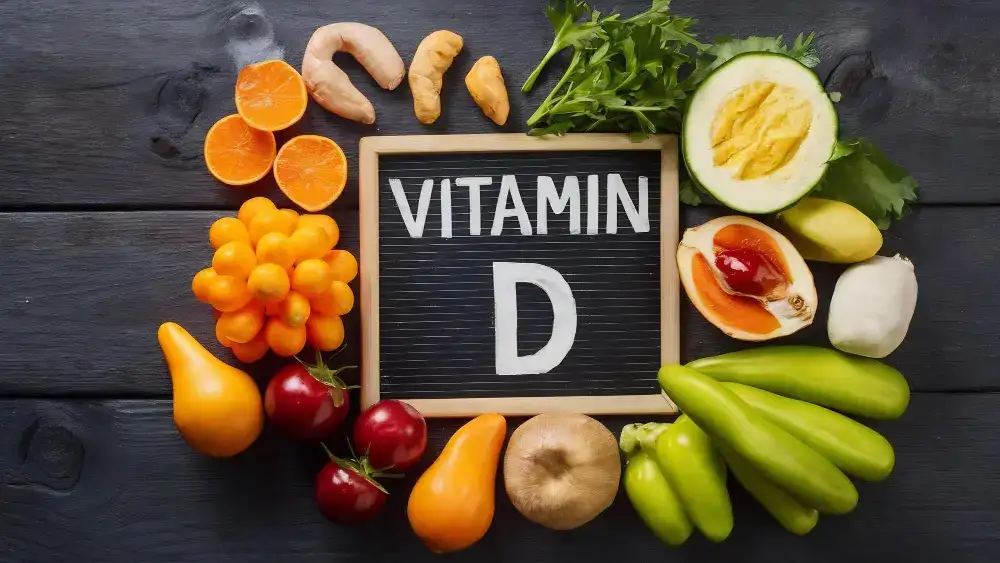
Understanding the benefits of Vitamin D and Vitamin B12 after 50 can help prevent common health issues and improve quality of life.
One of the key Vitamin D benefits is that it helps improve bone density and reduces the risk of fractures. It also supports muscle strength and immune function, which are essential for healthy ageing.
Low Vitamin D levels in older adults can lead to weakness, fatigue, and a higher risk of bone-related problems.
After 50, the body may find it harder to absorb Vitamin B12 from food. This can lead to deficiency, causing symptoms like fatigue, memory issues, and weakness.
Including enough Vitamin B12 in your diet is crucial for maintaining energy levels and supporting cognitive function.
Vitamin D deficiency can lead to bone loss and muscle weakness, while Vitamin B12 deficiency can impact nerve health and lead to anemia.
Recognising these risks early is an important part of healthy ageing and senior nutrition.
For Vitamin D, exposure to sunlight is one of the best natural sources. Foods like fatty fish, fortified dairy products, and egg yolks also help.
Vitamin B12 is commonly found in animal-based foods such as meat, fish, eggs, and dairy products. Fortified cereals can also be a good option for those with dietary restrictions.
If required, doctors may recommend supplements to maintain adequate Vitamin D and Vitamin B12 levels. Staying physically active and maintaining a healthy lifestyle also contribute to better nutrient absorption and overall well-being.
Understanding the benefits of Vitamin D and Vitamin B12 after 50 can help prevent common health issues and improve quality of life.
Why Vitamin D Is Important After 50
Vitamin D is crucial for maintaining strong bones and overall health, especially after 50. As the body ages, its ability to absorb calcium decreases, making Vitamin D even more important.One of the key Vitamin D benefits is that it helps improve bone density and reduces the risk of fractures. It also supports muscle strength and immune function, which are essential for healthy ageing.
Low Vitamin D levels in older adults can lead to weakness, fatigue, and a higher risk of bone-related problems.
Role of Vitamin B12 in Healthy Ageing
Vitamin B12 is another essential nutrient that becomes increasingly important with age. It plays a vital role in nerve function, red blood cell production, and brain health.After 50, the body may find it harder to absorb Vitamin B12 from food. This can lead to deficiency, causing symptoms like fatigue, memory issues, and weakness.
Including enough Vitamin B12 in your diet is crucial for maintaining energy levels and supporting cognitive function.
Common Deficiencies After 50
Many people over the age of 50 experience deficiencies in Vitamin D and Vitamin B12. These deficiencies often go unnoticed but can have long-term health effects.Vitamin D deficiency can lead to bone loss and muscle weakness, while Vitamin B12 deficiency can impact nerve health and lead to anemia.
Recognising these risks early is an important part of healthy ageing and senior nutrition.
Best Food Sources of Vitamin D and B12
Including the right foods in your diet can help maintain healthy levels of Vitamin D and Vitamin B12.For Vitamin D, exposure to sunlight is one of the best natural sources. Foods like fatty fish, fortified dairy products, and egg yolks also help.
Vitamin B12 is commonly found in animal-based foods such as meat, fish, eggs, and dairy products. Fortified cereals can also be a good option for those with dietary restrictions.
Simple Diet Tips for Healthy Ageing
Maintaining a balanced diet is key to ensuring proper nutrition after 50. Regular health check-ups can help detect deficiencies early.If required, doctors may recommend supplements to maintain adequate Vitamin D and Vitamin B12 levels. Staying physically active and maintaining a healthy lifestyle also contribute to better nutrient absorption and overall well-being.
Next Story