
Essential Nutritional Needs Of Senior Citizens In Indian Households Explained Clearly

Healthy Eating Habits For Senior Citizens In Indian Families Made Simple: As people age, their nutritional requirements evolve, making it essential to adapt daily diets accordingly. In Indian households, where food is deeply rooted in tradition and culture, ensuring the right balance of nutrients for senior citizens can sometimes be overlooked. From reduced appetite to chronic health conditions, older adults face unique dietary challenges. Understanding these needs and making simple adjustments can significantly improve overall health, energy levels, and quality of life for elderly family members.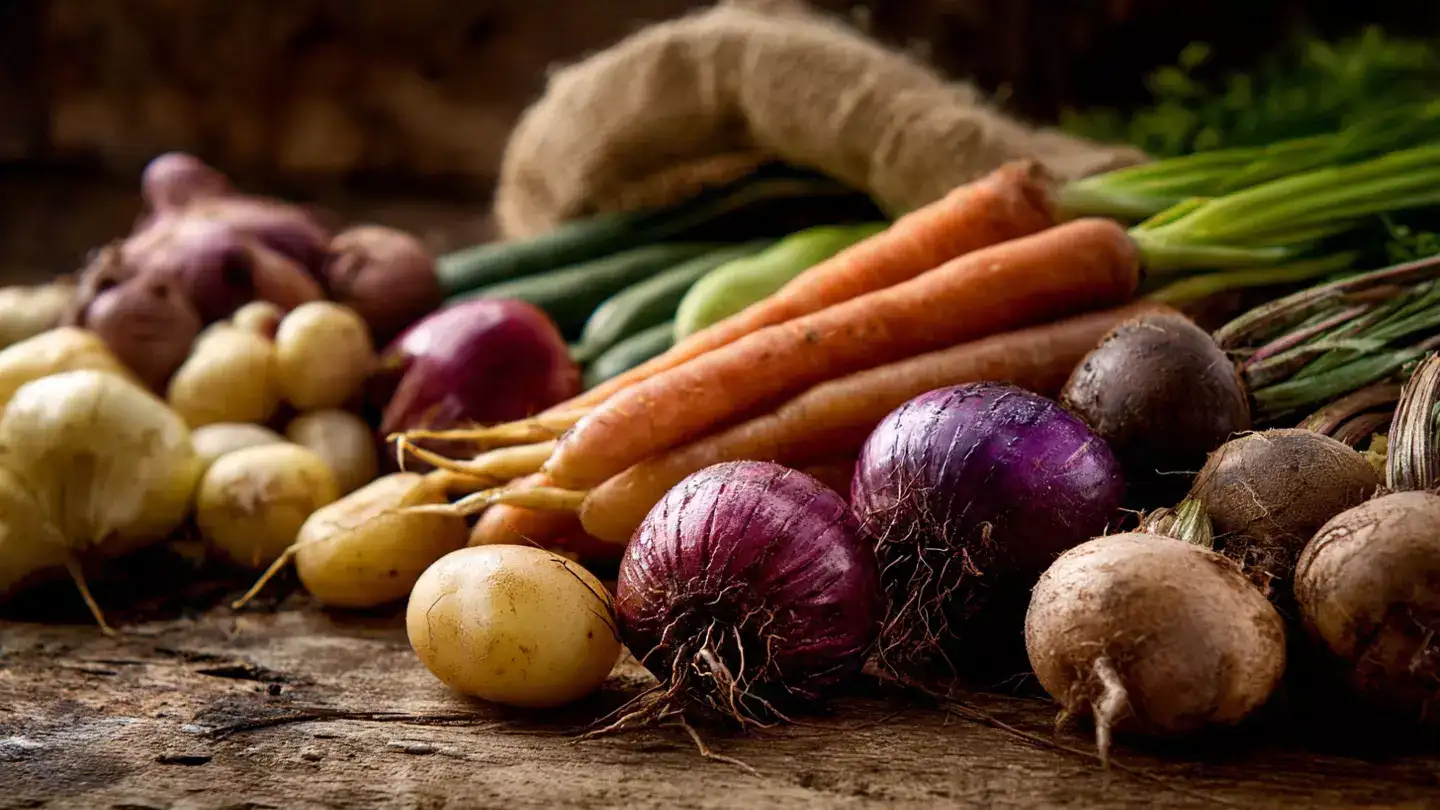
Proper nutrition for senior citizens India is crucial for maintaining immunity, preventing chronic diseases, and supporting mobility. A well-balanced diet can also help manage conditions like diabetes, hypertension, and osteoporosis, which are common among the elderly.
Protein plays a vital role in maintaining muscle strength and preventing frailty. Sources such as lentils, paneer, eggs, and lean meats are ideal additions to daily meals.
Calcium and vitamin D are essential for bone health. Milk, curd, ragi, and exposure to sunlight help maintain bone density and reduce the risk of fractures.
Fibre is important for digestive health and helps prevent constipation, a common issue among seniors. Whole grains, fruits, and vegetables should be included regularly.
Healthy fats from nuts, seeds, and oils like mustard or groundnut oil support heart health and provide sustained energy.
Reducing excess oil, salt, and sugar is essential. Switching to whole grains like brown rice or millets instead of refined grains can enhance fibre intake.
Soft and easy-to-digest foods such as khichdi, dal, idli, and vegetable stews are excellent choices. These dishes are gentle on the stomach while still providing necessary nutrients.
Portion control is equally important. Smaller, frequent meals can help seniors manage appetite and digestion better.
Water, coconut water, soups, and buttermilk are good options to maintain hydration. Including water-rich fruits like watermelon and oranges can also help.
Proper hydration supports digestion, regulates body temperature, and prevents fatigue, making it an essential component of daily nutrition.
For those with diabetes, controlling carbohydrate intake and choosing low glycaemic index foods is essential. Whole grains, legumes, and vegetables help maintain stable blood sugar levels.
For heart health, reducing saturated fats and including foods rich in omega-3 fatty acids is beneficial. Nuts, seeds, and certain oils can support cardiovascular wellbeing.
In cases of high blood pressure, limiting salt intake and consuming potassium-rich foods like bananas and spinach can help regulate levels.
An elderly diet plan India should always consider individual health conditions and be tailored accordingly.
Caregivers should pay attention to appetite changes, preferences, and any difficulties in chewing or swallowing. Preparing meals that are both nutritious and enjoyable ensures better adherence to healthy eating habits.
Creating a supportive environment helps seniors feel valued and motivated to maintain their dietary routines.
Including a variety of colourful fruits and vegetables ensures a wide range of vitamins and minerals. Using less oil and opting for healthier cooking methods like steaming or grilling can improve meal quality.
Regular meal timings help maintain metabolism and energy levels. Adding nuts and seeds as snacks provides essential nutrients without excessive calories.
Fortified foods and supplements may be considered if recommended by a healthcare professional, especially in cases of nutrient deficiencies.
Monitoring weight, energy levels, and overall health can help identify any deficiencies or imbalances early. Adjusting diets accordingly ensures that nutritional needs continue to be met effectively.
A thoughtful approach to nutrition can significantly enhance the quality of life for senior citizens in Indian households. By combining traditional dietary practices with modern nutritional understanding, families can create a balanced, sustainable, and health-focused environment that supports healthy ageing and long-term wellbeing.
Image Courtesy: Meta AI
Why Nutrition Becomes More Important With Age
Ageing brings physiological changes such as slower metabolism, reduced muscle mass, and decreased absorption of certain nutrients. These changes mean that older adults need nutrient-dense foods rather than calorie-heavy meals.Proper nutrition for senior citizens India is crucial for maintaining immunity, preventing chronic diseases, and supporting mobility. A well-balanced diet can also help manage conditions like diabetes, hypertension, and osteoporosis, which are common among the elderly.
Key Nutrients Every Senior Citizen Needs
A balanced diet for elderly individuals should focus on essential nutrients that support overall health.Protein plays a vital role in maintaining muscle strength and preventing frailty. Sources such as lentils, paneer, eggs, and lean meats are ideal additions to daily meals.
Calcium and vitamin D are essential for bone health. Milk, curd, ragi, and exposure to sunlight help maintain bone density and reduce the risk of fractures.
Fibre is important for digestive health and helps prevent constipation, a common issue among seniors. Whole grains, fruits, and vegetables should be included regularly.
Healthy fats from nuts, seeds, and oils like mustard or groundnut oil support heart health and provide sustained energy.
Adapting Traditional Indian Diets For Elderly Needs
Indian meals are often rich in carbohydrates and spices, which may not always suit ageing bodies. Making small modifications can improve nutritional value without compromising taste.Reducing excess oil, salt, and sugar is essential. Switching to whole grains like brown rice or millets instead of refined grains can enhance fibre intake.
Soft and easy-to-digest foods such as khichdi, dal, idli, and vegetable stews are excellent choices. These dishes are gentle on the stomach while still providing necessary nutrients.
Portion control is equally important. Smaller, frequent meals can help seniors manage appetite and digestion better.
Importance Of Hydration In Elderly Care
Dehydration is often overlooked in older adults, as the sense of thirst tends to decrease with age. Ensuring adequate fluid intake is a critical part of senior health nutrition tips .Water, coconut water, soups, and buttermilk are good options to maintain hydration. Including water-rich fruits like watermelon and oranges can also help.
Proper hydration supports digestion, regulates body temperature, and prevents fatigue, making it an essential component of daily nutrition.
Managing Common Health Conditions Through Diet
Diet plays a significant role in managing chronic conditions prevalent among senior citizens.For those with diabetes, controlling carbohydrate intake and choosing low glycaemic index foods is essential. Whole grains, legumes, and vegetables help maintain stable blood sugar levels.
For heart health, reducing saturated fats and including foods rich in omega-3 fatty acids is beneficial. Nuts, seeds, and certain oils can support cardiovascular wellbeing.
In cases of high blood pressure, limiting salt intake and consuming potassium-rich foods like bananas and spinach can help regulate levels.
An elderly diet plan India should always consider individual health conditions and be tailored accordingly.
Role Of Family Support In Maintaining Healthy Diets
In Indian households, family plays a central role in food preparation and eating habits. Encouraging seniors to eat balanced meals and involving them in food choices can make a positive difference.Caregivers should pay attention to appetite changes, preferences, and any difficulties in chewing or swallowing. Preparing meals that are both nutritious and enjoyable ensures better adherence to healthy eating habits.
Creating a supportive environment helps seniors feel valued and motivated to maintain their dietary routines.
Practical Tips For Improving Daily Nutrition
Simple changes can make a big impact on the overall health of elderly individuals.You may also like
- Recognizing Dehydration: Key Signs and Prevention Tips
- Essential Fasting Tips for Expecting Mothers During Chaitra Navratri
- How to Easily Book Indane LPG Cylinders via WhatsApp Amid Shortages
- Indian Railways Announces Special Trains for Chaitra Navratri and Eid Celebrations
- How to Secure Your IPL 2026 Tickets: A Complete Guide
Including a variety of colourful fruits and vegetables ensures a wide range of vitamins and minerals. Using less oil and opting for healthier cooking methods like steaming or grilling can improve meal quality.
Regular meal timings help maintain metabolism and energy levels. Adding nuts and seeds as snacks provides essential nutrients without excessive calories.
Fortified foods and supplements may be considered if recommended by a healthcare professional, especially in cases of nutrient deficiencies.
Importance Of Regular Monitoring And Adjustments
Nutritional needs are not static and may change with age, health conditions, or lifestyle. Regular health check-ups and dietary reviews are important to ensure that seniors are receiving adequate nutrition.Monitoring weight, energy levels, and overall health can help identify any deficiencies or imbalances early. Adjusting diets accordingly ensures that nutritional needs continue to be met effectively.
A thoughtful approach to nutrition can significantly enhance the quality of life for senior citizens in Indian households. By combining traditional dietary practices with modern nutritional understanding, families can create a balanced, sustainable, and health-focused environment that supports healthy ageing and long-term wellbeing.
Image Courtesy: Meta AI






More from our partners


Loving Newspoint? Download the app now
