
Europe on a Budget: Explore 7 Affordable Trips From India Under ₹1 Lakh

Not long ago, a Europe trip felt out of reach for most Indians. Flights alone could cost ₹80,000 to ₹1 lakh. Add hotels, food, visas, and local travel, and the budget easily ballooned to ₹3-4 lakh. Europe was a dream beautiful, but expensive.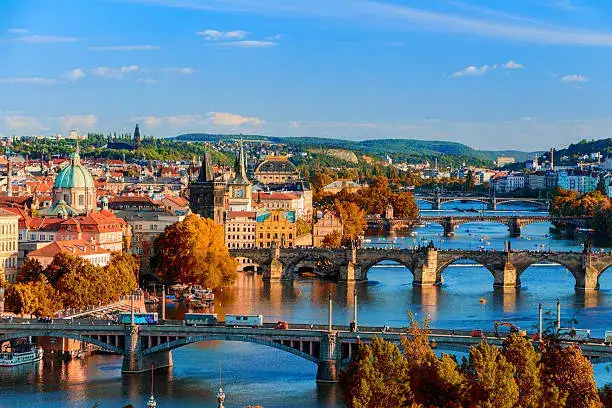
That reality is changing fast. Smart planning, cheaper destinations, and upcoming policy shifts especially around Budget 2026 are quietly making Europe far more affordable for Indian travellers.
Here’s how a Europe trip under ₹1 lakh is no longer a fantasy.
Why Europe Is Suddenly Getting Cheaper
Two big factors are working in travellers’ favour: policy support and smarter routes.
Budget 2026 is expected to ease aviation fuel taxes, which form a major chunk of airline costs. When fuel gets cheaper, airlines can lower fares especially on long international routes. Eastern Europe, already cheaper than Western Europe, stands to benefit the most.
At the same time, there’s talk of TCS (Tax Collected at Source) relief on foreign spending. Currently, Indians pay 20% extra upfront on overseas travel expenses, which is refunded only later during tax filing. If this drops to 5–10%, international travel becomes instantly lighter on the wallet.
Put simply, Europe is no longer reserved for luxury travellers.
How Budget 2026 Could Change the Game
Cheaper Flights
Lower aviation fuel taxes could reduce airline operating costs by 10–15%. For routes to Eastern Europe, flight prices may drop from around ₹50,000 to ₹42,500–45,000.
For a family of four, that’s a straight saving of ₹20,000–30,000.
Lower TCS Burden
A ₹1 lakh trip currently requires paying ₹1.2 lakh upfront due to 20% TCS. If TCS falls to 5–10%, travellers block far less money at booking time. The trip feels cheaper, and cash flow improves immediately.
More Direct Flights From Tier-2 Cities
Proposed expansion of international connectivity from cities like Ahmedabad, Kochi, and Hyderabad means more competition and fewer monopolies. More airlines usually mean better prices.
The Combined Effect
Add it all up cheaper flights, lower TCS, and stable currency and a ₹95,000 trip can effectively cost ₹75,000–80,000. Or the same ₹1 lakh can stretch from a 7-day holiday to a comfortable 10-day Europe trip.
Europe on a Middle-Class Budget: Already Possible
Even without Budget 2026 benefits, savvy travellers are already doing Europe under ₹1 lakh by choosing the right destinations.
Eastern Europe Is the Secret
Countries like Hungary, Poland, Bulgaria, Albania, and Serbia are far more affordable than France or Italy. Albania and Serbia don’t even require a Schengen visa, cutting costs and paperwork.
The Indian rupee stretches surprisingly well in these countries, making daily expenses manageable.
Budget Airlines and Smart Routes
Low-cost carriers now fly directly or with short layovers to Eastern Europe, avoiding expensive Western European hubs.
Europe doesn’t have to mean Paris prices or Swiss budgets. If you pick the right countries and travel smart Europe under ₹1 lakh is completely doable. From visa-free Balkan gems to Central European cities with Western charm and Eastern prices, these destinations offer stunning views, rich history, great food, and serious value for Indian travellers.
Here’s a crisp guide to four European countries that fit comfortably within a ₹1 lakh budget, with room to spare after Budget 2026-style savings.
Albania & Serbia: The Balkans’ Best Budget Secret
(Easy entry, lowest daily costs)
Albania
Albania feels like Greece and Croatia before mass tourism pushed prices sky-high. Think turquoise Adriatic beaches, medieval towns, Ottoman-era architecture, and colourful cities all at a fraction of Western Europe’s cost.
Tirana’s bright communist-era buildings are Instagram favourites. Berat, the “City of a Thousand Windows,” rivals Tuscany in charm. Saranda’s beaches look Greek because you can literally see Greek islands across the water at one-third the price. Food is simple, fresh, and cheap, from flaky byrek pastries to grilled seafood by the coast.
7-day Albania budget:
Serbia
Serbia is the easiest European country for Indians visa-free for 30 days. Just book and go.
Belgrade blends old-world charm with electric nightlife. The Skadarlija quarter feels like a budget-friendly Montmartre, while river clubs and live music define the city after dark. Outside the capital, medieval monasteries and scenic countryside await. Serbian food is hearty and filling think oversized burgers, grilled sausages, creamy kajmak cheese, and fruit brandy to end every meal.
7-day Serbia budget:
Pro tip: Combine Albania and Serbia. Buses connect both countries for ₹2,000–3,000. Do beaches in Albania and culture in Belgrade in one trip saving nearly ₹9,000 compared to Schengen countries.
Hungary & Czech Republic: Central Europe Without the Price Shock
(Western beauty, Eastern budgets)
Hungary
Budapest is one of Europe’s most beautiful capitals and one of the best value-for-money cities. The Danube divides Buda’s castle hills from Pest’s lively streets. Sunset at Chain Bridge is unforgettable.
Hungary’s thermal baths are iconic. At Széchenyi Baths, locals soak outdoors even in winter playing chess in steaming pools. Add ruin bars, hearty goulash, chimney cakes, and fruit brandy, and you’ve got a full European experience at half the usual cost.
7-day Hungary budget:
Czech Republic
Prague may be the star, but the Czech Republic has much more to offer. Fairy-tale Český Krumlov, the Pilsner beer region, and the eerie Bone Chapel of Kutná Hora add variety to the trip.
While Prague’s Old Town is touristy, stepping into quieter neighbourhoods cuts costs instantly. And yes Czech beer really is cheaper than bottled water. Local food is comfort-heavy and affordable, making daily expenses surprisingly low.
7-day Czech Republic budget:
Poland: Deep History, Rich Culture
Poland surprises you with how much it offers for the price. Krakow’s Main Square the largest medieval square in Europe buzzes with cafés, street performers, and horse-drawn carriages. Just outside the city lies Auschwitz-Birkenau, a powerful and moving reminder of World War II history, best experienced through a guided tour.
Warsaw tells a different story. Nearly destroyed during the war, it was meticulously rebuilt using old paintings and photographs. Another must-see is the Wieliczka Salt Mine, where underground chapels, sculptures, and chandeliers are carved entirely from salt.
Food is hearty and affordable. Pierogi dumplings, sour rye soup served in bread bowls, and slow-cooked hunter’s stew are easy on the stomach and the budget. Traditional “milk bars” serve authentic Polish meals at throwaway prices.
Estimated 7-Day Budget:
Bulgaria: Nature, Beaches, and Bargains
Bulgaria is often ranked as Europe’s cheapest country, and it delivers exceptional value. The Rila Monastery, set against dramatic mountain scenery, is one of the most striking UNESCO sites in the region. In Sofia, the massive Alexander Nevsky Cathedral dominates the skyline with golden domes and grand interiors.
Beach lovers can head to the Black Sea coast. Sunny Beach offers lively shores, while Nessebar charms with cobbled streets and ancient ruins that rival Greek islands at a fraction of the cost. For nature enthusiasts, the Rila and Pirin mountains are perfect for scenic hikes.
Bulgaria is also the birthplace of yogurt, and food is simple, fresh, and affordable. Shopska salad, cheesy banitsa for breakfast, and grilled kebapche meats make daily meals both filling and inexpensive.
Estimated 7-Day Budget:
Georgia: The Caucasus Surprise
Straddling Europe and Asia, Georgia feels uniquely European in spirit and stands out as one of the best-value destinations on this list. It’s the world’s oldest wine-producing region, with an 8,000-year-old tradition that’s still alive today.
Tbilisi’s Old Town is a maze of balconies, cafés, and hidden sulfur baths, where a soak costs less than a movie ticket. Outside the capital, Kazbegi’s Gergeti Trinity Church sits dramatically against Mount Kazbek one of the most jaw-dropping views in the region. The Svaneti area, with medieval stone towers and remote villages, feels untouched by time.
Georgian hospitality is legendary guests are treated like family. Food is a highlight: cheese-filled khachapuri, juicy khinkali dumplings, nutty churchkhela sweets, and strong grape vodka define the experience.
Estimated 7-Day Budget:
Europe on a Budget: The Smart Way to Travel Without Spending a Fortune
Europe has long carried a reputation for being expensive, complicated, and better suited to luxury travellers. But that idea is outdated. With smart planning and the right destination choices, Europe can be one of the most rewarding international trips under ₹1 lakh, especially for first-time travellers from India.
Many parts of Central and Eastern Europe are incredibly safe, budget-friendly, and easy to navigate. English is widely understood in cities, public transport is excellent, and locals are often warm and helpful. You don’t need five-star hotels or packaged tours to experience Europe at its best authentic travel is often cheaper and far more memorable.
Why Europe Is Ideal for First-Time International Travellers
For beginners, Europe offers a comfort level that’s hard to beat. Streets are walkable, signage is clear, and cities are designed for tourists without feeling artificial. Budget destinations still deliver iconic experiences medieval town squares, historic castles, scenic coastlines, mountain views, and vibrant food cultures.
Eastern and Central Europe in particular provide Western European charm at Eastern European prices. You get the same old-world beauty, history, and café culture, minus the inflated costs of Paris, Rome, or London.
Smart Budget Strategies That Actually Work
Flights: Where Big Savings Begin
Flights are often the biggest expense, but also the easiest place to save. Booking 2–3 months in advance usually secures the best fares. Travelling during April–May or September–October can cut flight prices by 30–50%, while also offering pleasant weather and fewer crowds.
Connecting flights via hubs like Istanbul, Dubai, or Doha are often much cheaper than direct routes. Use tools like Google Flights to set price alerts and track trends. With expected post–Budget 2026 relief in aviation fuel costs and airport connectivity, airfares could soften further.
Staying slightly outside city centres can reduce costs significantly, and public transport makes commuting easy. Many budget accommodations are modern, well-reviewed, and far better than what the price might suggest.
If your accommodation has a kitchen, cooking two or three meals during the trip can save thousands. Avoid restaurants right next to major tourist landmarks they’re usually 2–3 times more expensive for average food.
Transport: Efficient, Cheap, and Walkable
European cities are designed for walking, which is both free and rewarding. Public transport is reliable and affordable, with most rides costing ₹50–100. Multi-day travel passes offer excellent value, and apps like Uber or Bolt are far cheaper than traditional taxis.
Walking not only saves money but also lets you discover hidden streets, neighbourhood cafés, and viewpoints most tourists miss.
Visa & Insurance: Plan It Right
A Schengen visa costs around ₹7,500, with mandatory travel insurance of about ₹1,500. Processing typically takes 15 working days and allows travel across 26 countries, including Poland, Bulgaria, Hungary, and the Czech Republic.
For those looking to cut costs further, non-Schengen countries are a smart choice:
Europe Under ₹1 Lakh: No Compromises Needed
Travelling Europe on a budget isn’t about cutting corners it’s about making informed choices. With potential Budget 2026 benefits such as reduced TCS, aviation fuel relief, improved airport connectivity, and forex stability, Europe could become even more affordable.
A ₹95,000 trip today might soon cost ₹80,000. Or that same budget could stretch from 7 days to 10 days, one country to three, or hostels to comfortable budget hotels.
Yes, luxury Europe trips costing ₹3–4 lakh exist. But so do deeply enriching journeys for ₹70,000-95,000 and possibly ₹60,000–80,000 with smart timing. Eastern Europe offers the same medieval charm, delicious food, breathtaking photos, and unforgettable memories.
Europe isn’t expensive anymore. It’s accessible, achievable, and waiting. With thoughtful planning and a little help from upcoming travel-friendly policies, your European dream no longer needs a luxury budget just smart decisions and curiosity.
Disclaimer: The travel costs, budgets, visa details, and policy-related information mentioned in this article are indicative and based on current trends, publicly available data, and estimates at the time of writing. Actual expenses may vary depending on travel dates, flight availability, accommodation choices, currency fluctuations, visa rules, and individual spending habits. Budget 2026–related benefits discussed are speculative and subject to official government announcements and implementation. Readers are advised to verify prices, visa requirements, and travel regulations with airlines, embassies, and official sources before planning or booking their trip.
That reality is changing fast. Smart planning, cheaper destinations, and upcoming policy shifts especially around Budget 2026 are quietly making Europe far more affordable for Indian travellers.
Here’s how a Europe trip under ₹1 lakh is no longer a fantasy.
Why Europe Is Suddenly Getting Cheaper
Two big factors are working in travellers’ favour: policy support and smarter routes.
Budget 2026 is expected to ease aviation fuel taxes, which form a major chunk of airline costs. When fuel gets cheaper, airlines can lower fares especially on long international routes. Eastern Europe, already cheaper than Western Europe, stands to benefit the most.
At the same time, there’s talk of TCS (Tax Collected at Source) relief on foreign spending. Currently, Indians pay 20% extra upfront on overseas travel expenses, which is refunded only later during tax filing. If this drops to 5–10%, international travel becomes instantly lighter on the wallet.
Put simply, Europe is no longer reserved for luxury travellers.
How Budget 2026 Could Change the Game
Cheaper Flights
Lower aviation fuel taxes could reduce airline operating costs by 10–15%. For routes to Eastern Europe, flight prices may drop from around ₹50,000 to ₹42,500–45,000.
For a family of four, that’s a straight saving of ₹20,000–30,000.
Lower TCS Burden
A ₹1 lakh trip currently requires paying ₹1.2 lakh upfront due to 20% TCS. If TCS falls to 5–10%, travellers block far less money at booking time. The trip feels cheaper, and cash flow improves immediately.
More Direct Flights From Tier-2 Cities
Proposed expansion of international connectivity from cities like Ahmedabad, Kochi, and Hyderabad means more competition and fewer monopolies. More airlines usually mean better prices.
The Combined Effect
Add it all up cheaper flights, lower TCS, and stable currency and a ₹95,000 trip can effectively cost ₹75,000–80,000. Or the same ₹1 lakh can stretch from a 7-day holiday to a comfortable 10-day Europe trip.
Europe on a Middle-Class Budget: Already Possible
Even without Budget 2026 benefits, savvy travellers are already doing Europe under ₹1 lakh by choosing the right destinations.
Eastern Europe Is the Secret
Countries like Hungary, Poland, Bulgaria, Albania, and Serbia are far more affordable than France or Italy. Albania and Serbia don’t even require a Schengen visa, cutting costs and paperwork.
- Low Daily Expenses
- Airbnb stays start at ₹2,000 per night
- Local meals cost ₹300–500
- Public transport is cheap and efficient
The Indian rupee stretches surprisingly well in these countries, making daily expenses manageable.
Budget Airlines and Smart Routes
Low-cost carriers now fly directly or with short layovers to Eastern Europe, avoiding expensive Western European hubs.
Europe doesn’t have to mean Paris prices or Swiss budgets. If you pick the right countries and travel smart Europe under ₹1 lakh is completely doable. From visa-free Balkan gems to Central European cities with Western charm and Eastern prices, these destinations offer stunning views, rich history, great food, and serious value for Indian travellers.
Here’s a crisp guide to four European countries that fit comfortably within a ₹1 lakh budget, with room to spare after Budget 2026-style savings.
Albania & Serbia: The Balkans’ Best Budget Secret
(Easy entry, lowest daily costs)
Albania
Albania feels like Greece and Croatia before mass tourism pushed prices sky-high. Think turquoise Adriatic beaches, medieval towns, Ottoman-era architecture, and colourful cities all at a fraction of Western Europe’s cost.
Tirana’s bright communist-era buildings are Instagram favourites. Berat, the “City of a Thousand Windows,” rivals Tuscany in charm. Saranda’s beaches look Greek because you can literally see Greek islands across the water at one-third the price. Food is simple, fresh, and cheap, from flaky byrek pastries to grilled seafood by the coast.
7-day Albania budget:
- Flights ₹40,000–50,000
- Stay ₹14,000 (budget Airbnbs/hostels)
- Food ₹3,500
- Local transport ₹3,000
- Sightseeing ₹5,000
- E-visa ₹3,000–4,000
- Total: ₹68,500–79,500
- Post Budget 2026 estimate: ₹63,000–73,000
Serbia
Serbia is the easiest European country for Indians visa-free for 30 days. Just book and go.
Belgrade blends old-world charm with electric nightlife. The Skadarlija quarter feels like a budget-friendly Montmartre, while river clubs and live music define the city after dark. Outside the capital, medieval monasteries and scenic countryside await. Serbian food is hearty and filling think oversized burgers, grilled sausages, creamy kajmak cheese, and fruit brandy to end every meal.
7-day Serbia budget:
- Flights ₹45,000–55,000
- Stay ₹17,500
- Food ₹4,200
- Transport ₹2,500
- Sightseeing ₹4,000
- Visa ₹0
- Total: ₹73,200–83,200
- Post Budget 2026 estimate: ₹66,700–75,700
Pro tip: Combine Albania and Serbia. Buses connect both countries for ₹2,000–3,000. Do beaches in Albania and culture in Belgrade in one trip saving nearly ₹9,000 compared to Schengen countries.
Hungary & Czech Republic: Central Europe Without the Price Shock
(Western beauty, Eastern budgets)
Hungary
Budapest is one of Europe’s most beautiful capitals and one of the best value-for-money cities. The Danube divides Buda’s castle hills from Pest’s lively streets. Sunset at Chain Bridge is unforgettable.
Hungary’s thermal baths are iconic. At Széchenyi Baths, locals soak outdoors even in winter playing chess in steaming pools. Add ruin bars, hearty goulash, chimney cakes, and fruit brandy, and you’ve got a full European experience at half the usual cost.
7-day Hungary budget:
- Flights ₹48,000–58,000
- Stay ₹19,600
- Food ₹4,550
- Transport ₹3,500
- Sightseeing ₹6,000
- Schengen visa ₹7,500
- Insurance ₹1,500
- Total: ₹90,650–1,00,650
- Post Budget 2026 estimate: ₹82,150–92,150
Czech Republic
Prague may be the star, but the Czech Republic has much more to offer. Fairy-tale Český Krumlov, the Pilsner beer region, and the eerie Bone Chapel of Kutná Hora add variety to the trip.
While Prague’s Old Town is touristy, stepping into quieter neighbourhoods cuts costs instantly. And yes Czech beer really is cheaper than bottled water. Local food is comfort-heavy and affordable, making daily expenses surprisingly low.
7-day Czech Republic budget:
- Flights ₹50,000–60,000
- Stay ₹21,000
- Food ₹4,900
- Transport ₹3,500
- Sightseeing ₹6,000
- Schengen visa ₹7,500
- Insurance ₹1,500
- Total: ₹96,400–1,06,400
- Post Budget 2026 estimate: ₹87,900–97,900
Poland: Deep History, Rich Culture
Poland surprises you with how much it offers for the price. Krakow’s Main Square the largest medieval square in Europe buzzes with cafés, street performers, and horse-drawn carriages. Just outside the city lies Auschwitz-Birkenau, a powerful and moving reminder of World War II history, best experienced through a guided tour.
Warsaw tells a different story. Nearly destroyed during the war, it was meticulously rebuilt using old paintings and photographs. Another must-see is the Wieliczka Salt Mine, where underground chapels, sculptures, and chandeliers are carved entirely from salt.
Food is hearty and affordable. Pierogi dumplings, sour rye soup served in bread bowls, and slow-cooked hunter’s stew are easy on the stomach and the budget. Traditional “milk bars” serve authentic Polish meals at throwaway prices.
Estimated 7-Day Budget:
- Flights: ₹50,000–60,000
- Accommodation: ₹21,000
- Food: ₹4,900
- Local Transport: ₹3,500
- Sightseeing & Attractions: ₹6,000
- Schengen Visa: ₹7,500
- Travel Insurance: ₹1,500
- Total Cost: ₹94,400–₹1,04,400
- Post–Budget 2026 Estimate: ₹85,900–₹95,900
Bulgaria: Nature, Beaches, and Bargains
Bulgaria is often ranked as Europe’s cheapest country, and it delivers exceptional value. The Rila Monastery, set against dramatic mountain scenery, is one of the most striking UNESCO sites in the region. In Sofia, the massive Alexander Nevsky Cathedral dominates the skyline with golden domes and grand interiors.
Beach lovers can head to the Black Sea coast. Sunny Beach offers lively shores, while Nessebar charms with cobbled streets and ancient ruins that rival Greek islands at a fraction of the cost. For nature enthusiasts, the Rila and Pirin mountains are perfect for scenic hikes.
Bulgaria is also the birthplace of yogurt, and food is simple, fresh, and affordable. Shopska salad, cheesy banitsa for breakfast, and grilled kebapche meats make daily meals both filling and inexpensive.
Estimated 7-Day Budget:
- Flights: ₹50,000–60,000
- Accommodation: ₹17,500
- Food: ₹4,200
- Local Transport: ₹3,000
- Sightseeing & Activities: ₹5,000
- Schengen Visa: ₹7,500
- Travel Insurance: ₹1,500
- Total Cost: ₹88,700–₹98,700
- Post–Budget 2026 Estimate: ₹80,200–₹90,200
Georgia: The Caucasus Surprise
Straddling Europe and Asia, Georgia feels uniquely European in spirit and stands out as one of the best-value destinations on this list. It’s the world’s oldest wine-producing region, with an 8,000-year-old tradition that’s still alive today.
Tbilisi’s Old Town is a maze of balconies, cafés, and hidden sulfur baths, where a soak costs less than a movie ticket. Outside the capital, Kazbegi’s Gergeti Trinity Church sits dramatically against Mount Kazbek one of the most jaw-dropping views in the region. The Svaneti area, with medieval stone towers and remote villages, feels untouched by time.
Georgian hospitality is legendary guests are treated like family. Food is a highlight: cheese-filled khachapuri, juicy khinkali dumplings, nutty churchkhela sweets, and strong grape vodka define the experience.
Estimated 7-Day Budget:
- Flights: ₹40,000–50,000
- Accommodation: ₹14,000 (guesthouses often include breakfast)
- Food: ₹3,500
- Local Transport: ₹2,500 (marshrutkas/shared vans)
- Sightseeing & Activities: ₹4,000
- Visa: ₹0 (free with a valid Schengen/US/UK/Canada visa) or ₹2,500 (e-visa)
- Total Cost: ₹66,000–₹76,500
- Post–Budget 2026 Estimate: ₹60,500–₹70,000
Europe on a Budget: The Smart Way to Travel Without Spending a Fortune
Europe has long carried a reputation for being expensive, complicated, and better suited to luxury travellers. But that idea is outdated. With smart planning and the right destination choices, Europe can be one of the most rewarding international trips under ₹1 lakh, especially for first-time travellers from India. Many parts of Central and Eastern Europe are incredibly safe, budget-friendly, and easy to navigate. English is widely understood in cities, public transport is excellent, and locals are often warm and helpful. You don’t need five-star hotels or packaged tours to experience Europe at its best authentic travel is often cheaper and far more memorable.
Why Europe Is Ideal for First-Time International Travellers
For beginners, Europe offers a comfort level that’s hard to beat. Streets are walkable, signage is clear, and cities are designed for tourists without feeling artificial. Budget destinations still deliver iconic experiences medieval town squares, historic castles, scenic coastlines, mountain views, and vibrant food cultures. Eastern and Central Europe in particular provide Western European charm at Eastern European prices. You get the same old-world beauty, history, and café culture, minus the inflated costs of Paris, Rome, or London.
Smart Budget Strategies That Actually Work
Flights: Where Big Savings Begin
Flights are often the biggest expense, but also the easiest place to save. Booking 2–3 months in advance usually secures the best fares. Travelling during April–May or September–October can cut flight prices by 30–50%, while also offering pleasant weather and fewer crowds.
Connecting flights via hubs like Istanbul, Dubai, or Doha are often much cheaper than direct routes. Use tools like Google Flights to set price alerts and track trends. With expected post–Budget 2026 relief in aviation fuel costs and airport connectivity, airfares could soften further.
- Accommodation: Comfortable, Clean, and Affordable
- You don’t need expensive hotels to stay well in Europe.
- Airbnb private rooms: ₹2,000–3,000 per night
- Hostels: ₹1,500–2,500 (clean, safe, social, and great for solo travellers)
- Budget hotels: ₹2,500–3,500
Staying slightly outside city centres can reduce costs significantly, and public transport makes commuting easy. Many budget accommodations are modern, well-reviewed, and far better than what the price might suggest.
- Food: Eat Well Without Overspending
- Food in Europe doesn’t have to drain your wallet.
- Supermarket breakfasts with pastries, yogurt, fruit, and coffee cost ₹150–200
- Local cafés serve hearty lunches for ₹300–400
- Comfortable sit-down dinners are possible for ₹500–700
If your accommodation has a kitchen, cooking two or three meals during the trip can save thousands. Avoid restaurants right next to major tourist landmarks they’re usually 2–3 times more expensive for average food.
Transport: Efficient, Cheap, and Walkable
European cities are designed for walking, which is both free and rewarding. Public transport is reliable and affordable, with most rides costing ₹50–100. Multi-day travel passes offer excellent value, and apps like Uber or Bolt are far cheaper than traditional taxis.
Walking not only saves money but also lets you discover hidden streets, neighbourhood cafés, and viewpoints most tourists miss.
Visa & Insurance: Plan It Right
A Schengen visa costs around ₹7,500, with mandatory travel insurance of about ₹1,500. Processing typically takes 15 working days and allows travel across 26 countries, including Poland, Bulgaria, Hungary, and the Czech Republic.
For those looking to cut costs further, non-Schengen countries are a smart choice:
You may also like
- Unlock Radiant Skin with Rice: Natural Remedies You Can Try
- Turmeric Milk Benefits: Is it okay to drink turmeric milk just before bed? Learn what experts say.
- Natural Remedies to Prevent Hair Loss: Effective Tips
- The Impact of Parenting Pressure on Children's Mental Health
- MS Dhoni and Sakshi Dhoni arrive in perfectly matched style at Arjun Tendulkar's wedding
- Serbia: Visa-free for Indians (30 days)
- Albania: Simple online e-visa
- Georgia: Visa-free with a valid Schengen, US, UK, or Canada visa, or e-visa for about ₹2,500
Europe Under ₹1 Lakh: No Compromises Needed
Travelling Europe on a budget isn’t about cutting corners it’s about making informed choices. With potential Budget 2026 benefits such as reduced TCS, aviation fuel relief, improved airport connectivity, and forex stability, Europe could become even more affordable.
A ₹95,000 trip today might soon cost ₹80,000. Or that same budget could stretch from 7 days to 10 days, one country to three, or hostels to comfortable budget hotels.
Yes, luxury Europe trips costing ₹3–4 lakh exist. But so do deeply enriching journeys for ₹70,000-95,000 and possibly ₹60,000–80,000 with smart timing. Eastern Europe offers the same medieval charm, delicious food, breathtaking photos, and unforgettable memories.
Europe isn’t expensive anymore. It’s accessible, achievable, and waiting. With thoughtful planning and a little help from upcoming travel-friendly policies, your European dream no longer needs a luxury budget just smart decisions and curiosity.
Disclaimer: The travel costs, budgets, visa details, and policy-related information mentioned in this article are indicative and based on current trends, publicly available data, and estimates at the time of writing. Actual expenses may vary depending on travel dates, flight availability, accommodation choices, currency fluctuations, visa rules, and individual spending habits. Budget 2026–related benefits discussed are speculative and subject to official government announcements and implementation. Readers are advised to verify prices, visa requirements, and travel regulations with airlines, embassies, and official sources before planning or booking their trip.






More from our partners


Loving Newspoint? Download the app now
