
6 Everyday Habits That May Be Adding to Your Stress Without You Realising It

Stress often feels sudden, but it usually develops over time through repeated behaviours. Daily routines, especially those involving screens, sleep, and diet—can disturb the body’s natural rhythm and increase mental strain without immediate warning.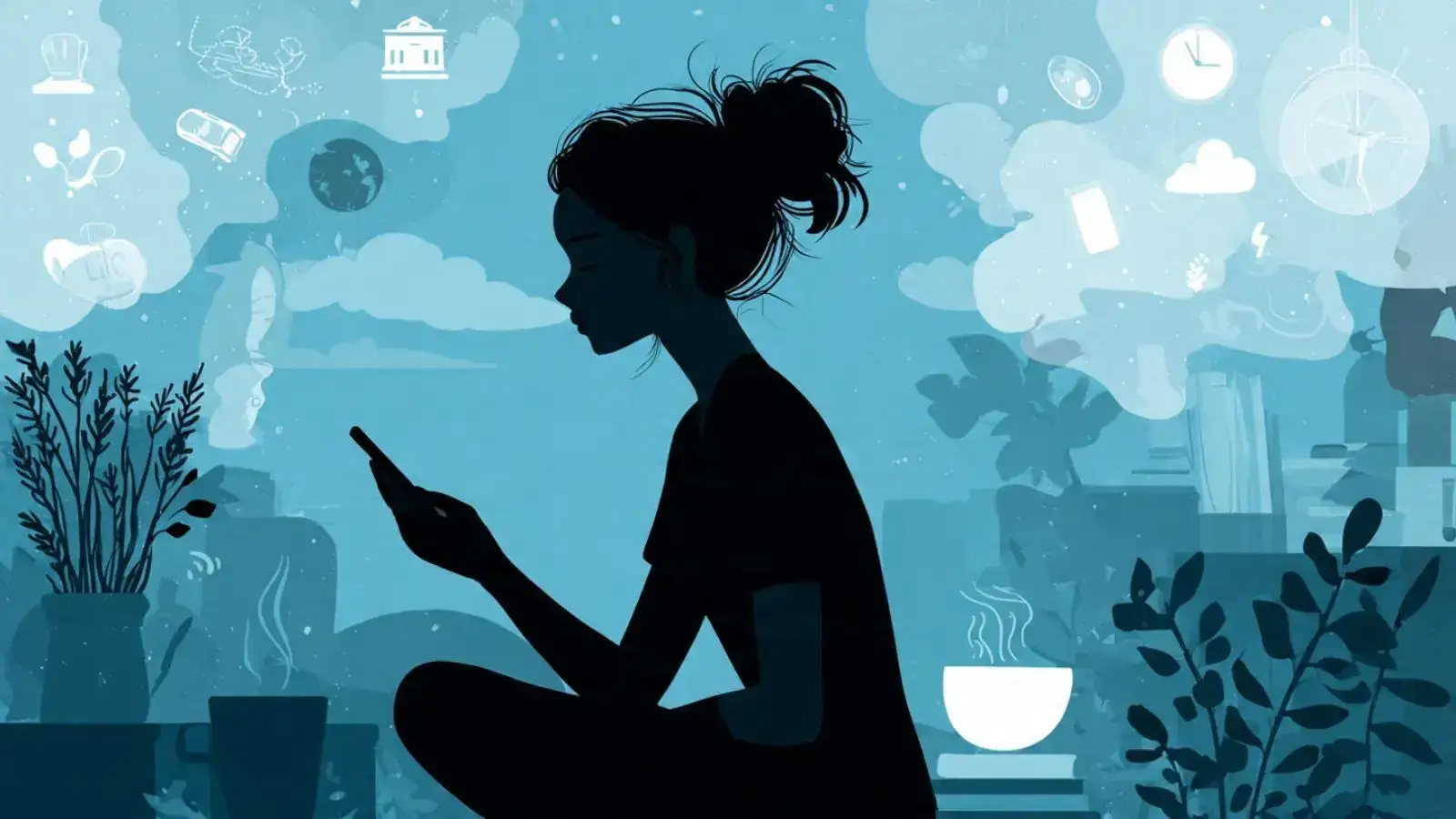
Excessive screen time and digital overload
Spending long hours on screens, particularly social media, is strongly linked to higher stress and anxiety levels. Constant notifications and information overload keep the brain in a heightened state of alertness, making it harder to relax.
Poor sleep habits and late-night scrolling
Sleep and stress are deeply connected. Irregular sleep patterns or late-night screen use can disrupt the body’s internal clock, reducing emotional regulation and increasing anxiety. Lack of quality sleep makes it harder to cope with daily challenges.
Skipping meals or irregular eating patterns
Long gaps between meals can trigger stress hormones like cortisol and adrenaline. This can lead to symptoms such as restlessness, palpitations, and mood swings. Consistent meal timing helps stabilise energy and reduce stress responses.
Too much caffeine intake
While caffeine boosts alertness, excessive consumption can overstimulate the nervous system. This may lead to jitteriness, racing thoughts, and heightened anxiety, especially in people already prone to stress.
Lack of movement and prolonged sitting
Staying inactive for long periods contributes to both physical and mental tension. Short movement breaks, even simple walks, can reduce stress levels by improving circulation and releasing built-up tension in the body.
Ignoring natural body rhythms
Habits like missing morning sunlight exposure or maintaining inconsistent daily routines can disrupt circadian rhythms. This imbalance affects sleep, mood, and overall stress levels, making it harder for the body to stay regulated.
Small habits, big impact
Stress management doesn’t always require major lifestyle changes. Often, it begins with awareness of everyday habits. Reducing screen time, improving sleep, maintaining regular meals, and incorporating movement into your routine can help restore balance and lower stress levels over time.
Excessive screen time and digital overload
Spending long hours on screens, particularly social media, is strongly linked to higher stress and anxiety levels. Constant notifications and information overload keep the brain in a heightened state of alertness, making it harder to relax.
Poor sleep habits and late-night scrolling
Sleep and stress are deeply connected. Irregular sleep patterns or late-night screen use can disrupt the body’s internal clock, reducing emotional regulation and increasing anxiety. Lack of quality sleep makes it harder to cope with daily challenges.
You may also like
- Keep Your Aadhaar in Your Mobile, Not Your Pocket: Here's How to Add It to Google Wallet
- The Health Benefits of Onions: A Kitchen Essential
- Hidden Dangers: Foods That Can Harm Your Heart
- Why Is It Essential to Switch on Airplane Mode During Flights? You'll Be Surprised to Learn the Real Reason!
- Tips for Couples Trying to Conceive: Enhancing Fertility Through Intimacy
Skipping meals or irregular eating patterns
Long gaps between meals can trigger stress hormones like cortisol and adrenaline. This can lead to symptoms such as restlessness, palpitations, and mood swings. Consistent meal timing helps stabilise energy and reduce stress responses.
Too much caffeine intake
While caffeine boosts alertness, excessive consumption can overstimulate the nervous system. This may lead to jitteriness, racing thoughts, and heightened anxiety, especially in people already prone to stress.
Lack of movement and prolonged sitting
Staying inactive for long periods contributes to both physical and mental tension. Short movement breaks, even simple walks, can reduce stress levels by improving circulation and releasing built-up tension in the body.
Ignoring natural body rhythms
Habits like missing morning sunlight exposure or maintaining inconsistent daily routines can disrupt circadian rhythms. This imbalance affects sleep, mood, and overall stress levels, making it harder for the body to stay regulated.
Small habits, big impact
Stress management doesn’t always require major lifestyle changes. Often, it begins with awareness of everyday habits. Reducing screen time, improving sleep, maintaining regular meals, and incorporating movement into your routine can help restore balance and lower stress levels over time.






More from our partners


Loving Newspoint? Download the app now
