
Famous Wildlife Sanctuaries in India That Every Nature Lover Must Explore

India is one of the most biodiverse countries in the world, home to a wide range of wildlife species and natural habitats. From dense forests and grasslands to wetlands and mountainous regions, the country offers many opportunities for travelers to experience wildlife in its natural environment. Wildlife tourism has become increasingly popular in recent years, attracting nature enthusiasts, photographers, and adventure seekers.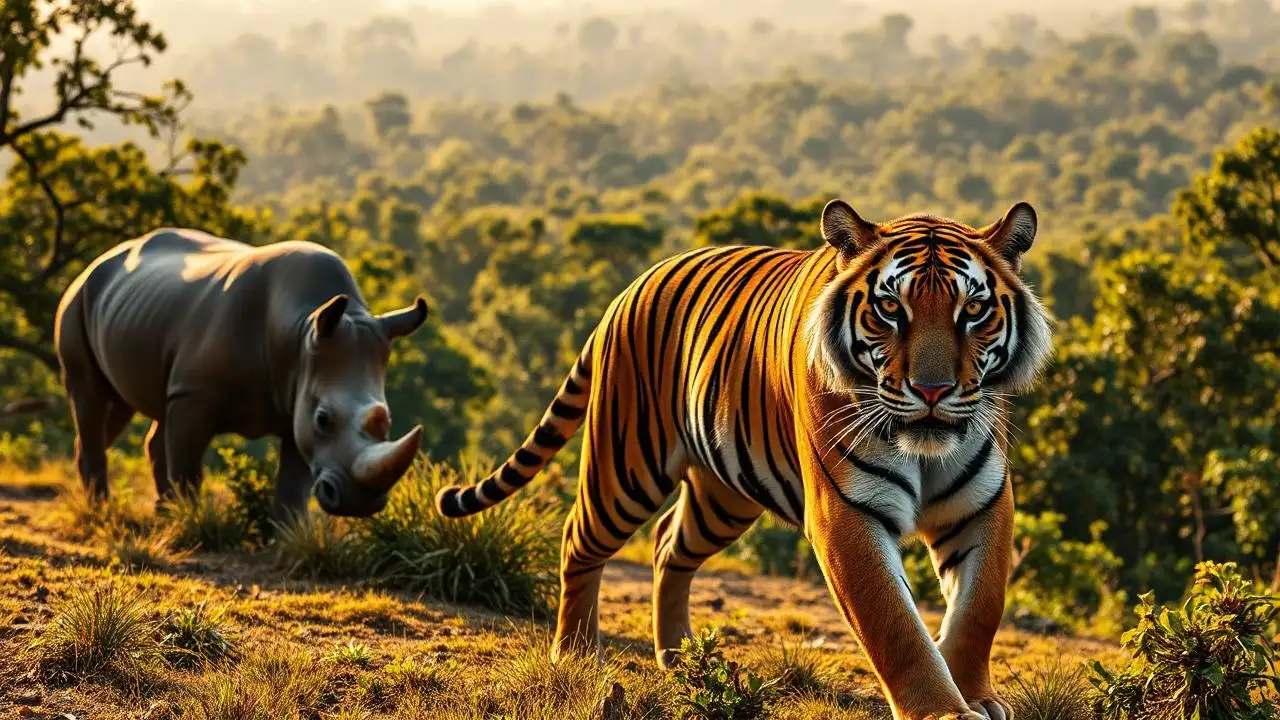
Visiting wildlife sanctuaries and national parks allows travelers to witness rare animals, enjoy scenic landscapes, and learn about conservation efforts that protect endangered species.
The park features dense forests, grasslands, rivers, and hills, creating a perfect habitat for a variety of wildlife species. Visitors can enjoy jeep safaris and birdwatching while exploring the park’s diverse ecosystem.
Tourists often visit Ranthambore to experience jungle safaris where they may spot animals such as leopards, deer, sloth bears, and crocodiles.
The vast grasslands and wetlands of Kaziranga provide an ideal environment for wildlife photography and nature exploration.
By visiting wildlife sanctuaries, travelers not only enjoy unique experiences but also contribute to the protection of natural ecosystems.
Visiting wildlife sanctuaries and national parks allows travelers to witness rare animals, enjoy scenic landscapes, and learn about conservation efforts that protect endangered species.
Jim Corbett National Park
Jim Corbett National Park in Uttarakhand is the oldest national park in India and one of the most famous wildlife destinations in the country. Established in 1936, the park is known for its population of Bengal tigers.The park features dense forests, grasslands, rivers, and hills, creating a perfect habitat for a variety of wildlife species. Visitors can enjoy jeep safaris and birdwatching while exploring the park’s diverse ecosystem.
Ranthambore National Park
Ranthambore National Park in Rajasthan is another popular destination for wildlife lovers. It is widely known for its tiger sightings and stunning landscapes that include lakes, ancient ruins, and open grasslands.Tourists often visit Ranthambore to experience jungle safaris where they may spot animals such as leopards, deer, sloth bears, and crocodiles.
Kaziranga National Park
Kaziranga National Park in Assam is a UNESCO World Heritage Site and home to the largest population of one-horned rhinoceroses in the world. The park also shelters elephants, wild water buffalo, and numerous bird species.The vast grasslands and wetlands of Kaziranga provide an ideal environment for wildlife photography and nature exploration.
Importance of Wildlife Tourism
Wildlife tourism plays a crucial role in conservation efforts. Responsible tourism helps generate funds for national parks and supports local communities living near protected areas.By visiting wildlife sanctuaries, travelers not only enjoy unique experiences but also contribute to the protection of natural ecosystems.
Next Story