
Extreme Heat Warning: Early Symptoms of Heatstroke and Prevention Tips

Summer has arrived with unusual intensity this year, bringing extreme heat much earlier than expected. Across India and several parts of the world, temperatures have already surged beyond seasonal norms, and experts warn that longer and harsher heatwaves could become more common. What may feel like a typical hot day can quickly turn dangerous if the body is pushed beyond its limits.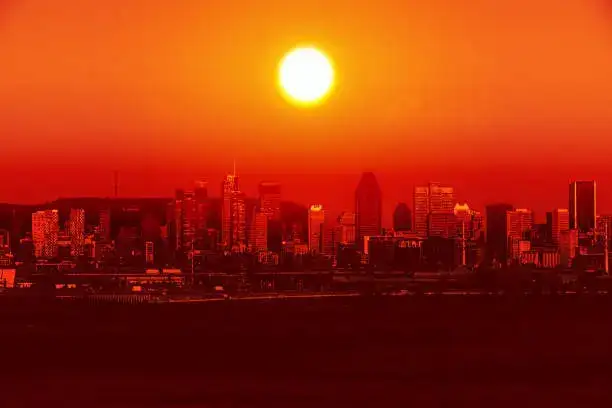
Extreme heat is not just about discomfort. It places serious stress on the body and can lead to dehydration, heat exhaustion, kidney strain, heart issues, and even life-threatening heatstroke. Health experts often describe heatwaves as a silent threat because the warning signs can start small and are easy to overlook until the situation becomes severe.
What Happens to Your Body During Extreme Heat
The human body naturally tries to cool itself by sweating. This process works well under normal conditions, but during intense heat or high humidity, it becomes less effective. The body starts losing water and essential salts faster than it cannew replace them, which disrupts normal functioning.
The first stage is heat stress. At this point, your body is already struggling to cope. You may feel unusually tired, dizzy, or develop a headache. Other early symptoms include muscle cramps, heavy sweating, nausea, and a constant feeling of thirst. A key warning sign is reduced urination or dark yellow urine, which indicates dehydration.
According to the World Health Organization, symptoms like dizziness, nausea, and confusion should be taken seriously and not ignored. Acting early can prevent the condition from getting worse.
If you notice these signs, step away from the heat immediately. Move to a cooler place, sit or lie down, loosen tight clothing, and start sipping water or a rehydration drink slowly.
Heat Exhaustion: A Serious Warning Stage
If early signs are ignored, heat stress can progress into heat exhaustion. This stage is more intense and can develop quickly, especially if you continue to stay in the heat without rest or fluids.
Symptoms include excessive sweating, pale or clammy skin, dizziness, weakness, nausea, vomiting, and a rapid heartbeat. You may also feel confused or unable to concentrate. Many people describe a strong urge to lie down due to extreme fatigue.
At this stage, cooling the body becomes urgent. Take a cold shower if possible or apply wet cloths to areas like the neck, wrists, and forehead. Rest in a shaded or air-conditioned space and drink fluids that contain salts, such as oral rehydration solutions, coconut water, or lightly salted lemonade. Acting quickly at this stage can prevent further complications.
Heatstroke: A Medical Emergency
Heatstroke is the most severe and dangerous stage of heat-related illness. It occurs when the body can no longer regulate its temperature. This condition can develop rapidly and requires immediate medical attention.
Warning signs include confusion, fainting, a very high body temperature, flushed or hot skin, and in some cases, a lack of sweating despite the heat. The person may appear disoriented or behave unusually.
If someone shows these symptoms or collapses after being in the heat, call for medical help immediately. While waiting, move them to a cool area, lay them flat, and try to reduce body temperature using water, wet cloths, or fans. Do not give fluids if the person is unconscious or unable to respond properly.
Who Is Most Vulnerable
Although anyone can be affected by extreme heat, certain groups are at higher risk. These include young children, older adults, pregnant women, and individuals with existing health conditions such as diabetes, heart disease, or kidney problems.
People who work outdoors, exercise in the heat, or spend long hours in direct sunlight are also more likely to experience heat-related illnesses. It is important for these groups to take extra precautions during heatwaves.
Practical Tips to Stay Safe During a Heatwave
Stay Hydrated Throughout the Day
Drink water regularly, even if you do not feel thirsty. Thirst is often a late sign of dehydration. Include fluids like coconut water, buttermilk, and oral rehydration solutions to maintain electrolyte balance. Avoid alcohol and limit caffeine, as they can dehydrate the body.
Avoid Peak Heat Hours
Try to stay indoors during the hottest part of the day, usually between noon and 4 PM. If you need to go outside, plan activities for early morning or late evening and take frequent breaks in shaded areas.
Dress Smartly
Wear loose, lightweight, and light-colored clothing made from breathable fabrics like cotton. Use hats, caps, or umbrellas to protect yourself from direct sunlight. Avoid tight or dark clothing that traps heat.
Keep Your Living Space Cool
Close curtains or blinds during the day to block heat from entering your home. Use fans, cool showers, or damp cloths to stay comfortable. If your home becomes too hot, consider spending time in cooler public spaces such as malls, libraries, or community centers.
Pay Attention to Your Body
Do not ignore signs like fatigue, dizziness, or headaches during hot weather. These are early warnings that your body needs rest and hydration. Taking a break at the right time can prevent serious health issues.
Check on Others
Make sure to check on elderly family members, children, and people living alone. They may not always notice early signs of dehydration or heat stress. A simple check-in can make a big difference.
Heatwaves are becoming more intense and frequent, making awareness and preparation essential. The good news is that most heat-related illnesses are preventable with simple steps like staying hydrated, avoiding direct sun exposure, and recognizing early symptoms.
If something feels off during extreme heat, do not ignore it. Your body often gives clear signals when it is under stress. Listening to those signals and acting quickly can protect your health and even save lives.
Extreme heat is not just about discomfort. It places serious stress on the body and can lead to dehydration, heat exhaustion, kidney strain, heart issues, and even life-threatening heatstroke. Health experts often describe heatwaves as a silent threat because the warning signs can start small and are easy to overlook until the situation becomes severe.
What Happens to Your Body During Extreme Heat
The human body naturally tries to cool itself by sweating. This process works well under normal conditions, but during intense heat or high humidity, it becomes less effective. The body starts losing water and essential salts faster than it cannew replace them, which disrupts normal functioning.The first stage is heat stress. At this point, your body is already struggling to cope. You may feel unusually tired, dizzy, or develop a headache. Other early symptoms include muscle cramps, heavy sweating, nausea, and a constant feeling of thirst. A key warning sign is reduced urination or dark yellow urine, which indicates dehydration.
According to the World Health Organization, symptoms like dizziness, nausea, and confusion should be taken seriously and not ignored. Acting early can prevent the condition from getting worse.
If you notice these signs, step away from the heat immediately. Move to a cooler place, sit or lie down, loosen tight clothing, and start sipping water or a rehydration drink slowly.
Heat Exhaustion: A Serious Warning Stage
If early signs are ignored, heat stress can progress into heat exhaustion. This stage is more intense and can develop quickly, especially if you continue to stay in the heat without rest or fluids. Symptoms include excessive sweating, pale or clammy skin, dizziness, weakness, nausea, vomiting, and a rapid heartbeat. You may also feel confused or unable to concentrate. Many people describe a strong urge to lie down due to extreme fatigue.
At this stage, cooling the body becomes urgent. Take a cold shower if possible or apply wet cloths to areas like the neck, wrists, and forehead. Rest in a shaded or air-conditioned space and drink fluids that contain salts, such as oral rehydration solutions, coconut water, or lightly salted lemonade. Acting quickly at this stage can prevent further complications.
Heatstroke: A Medical Emergency
Heatstroke is the most severe and dangerous stage of heat-related illness. It occurs when the body can no longer regulate its temperature. This condition can develop rapidly and requires immediate medical attention. Warning signs include confusion, fainting, a very high body temperature, flushed or hot skin, and in some cases, a lack of sweating despite the heat. The person may appear disoriented or behave unusually.
If someone shows these symptoms or collapses after being in the heat, call for medical help immediately. While waiting, move them to a cool area, lay them flat, and try to reduce body temperature using water, wet cloths, or fans. Do not give fluids if the person is unconscious or unable to respond properly.
Who Is Most Vulnerable
Although anyone can be affected by extreme heat, certain groups are at higher risk. These include young children, older adults, pregnant women, and individuals with existing health conditions such as diabetes, heart disease, or kidney problems. People who work outdoors, exercise in the heat, or spend long hours in direct sunlight are also more likely to experience heat-related illnesses. It is important for these groups to take extra precautions during heatwaves.
You may also like
- “Ye pura toilet kar ke watt laga di hai”; disturbing cab video leaves Internet divided and it's a reminder that travel etiquette matters
- Italian Prime Minister Giorgia Meloni goes off-script with desi jhumkas, and the internet just can't look away
- Remembering Raghu Rai: A Legacy of Capturing India's Essence
- Is Ganesh Chaturthi Really His Birthday? Shocking Truth
- 6 Home Remedies for Shiny Hair Nobody Talks About
Practical Tips to Stay Safe During a Heatwave
Stay Hydrated Throughout the Day
Drink water regularly, even if you do not feel thirsty. Thirst is often a late sign of dehydration. Include fluids like coconut water, buttermilk, and oral rehydration solutions to maintain electrolyte balance. Avoid alcohol and limit caffeine, as they can dehydrate the body. Avoid Peak Heat Hours
Try to stay indoors during the hottest part of the day, usually between noon and 4 PM. If you need to go outside, plan activities for early morning or late evening and take frequent breaks in shaded areas. Dress Smartly
Wear loose, lightweight, and light-colored clothing made from breathable fabrics like cotton. Use hats, caps, or umbrellas to protect yourself from direct sunlight. Avoid tight or dark clothing that traps heat. Keep Your Living Space Cool
Close curtains or blinds during the day to block heat from entering your home. Use fans, cool showers, or damp cloths to stay comfortable. If your home becomes too hot, consider spending time in cooler public spaces such as malls, libraries, or community centers. Pay Attention to Your Body
Do not ignore signs like fatigue, dizziness, or headaches during hot weather. These are early warnings that your body needs rest and hydration. Taking a break at the right time can prevent serious health issues.Check on Others
Make sure to check on elderly family members, children, and people living alone. They may not always notice early signs of dehydration or heat stress. A simple check-in can make a big difference. Heatwaves are becoming more intense and frequent, making awareness and preparation essential. The good news is that most heat-related illnesses are preventable with simple steps like staying hydrated, avoiding direct sun exposure, and recognizing early symptoms.
If something feels off during extreme heat, do not ignore it. Your body often gives clear signals when it is under stress. Listening to those signals and acting quickly can protect your health and even save lives.






More from our partners


Loving Newspoint? Download the app now
