
Fermented Foods In Indian Diet Explained With Benefits, Risks And What You Should Know Before Including Them Daily

Are Fermented Foods In Indian Diet Always Healthy Or Do They Have Hidden Risks You Should Be Aware Of: Fermented foods have long been an integral part of the Indian diet, deeply rooted in tradition, culture and regional culinary practices. From staples like idli and dosa to regional favourites such as pickles and kanji, these foods are cherished not only for their unique taste but also for their potential health benefits. In recent years, the global focus on gut health has brought renewed attention to fermented foods. While they are often praised for supporting digestion and immunity, it is equally important to understand their limitations. A balanced approach can help maximise their benefits while avoiding possible drawbacks.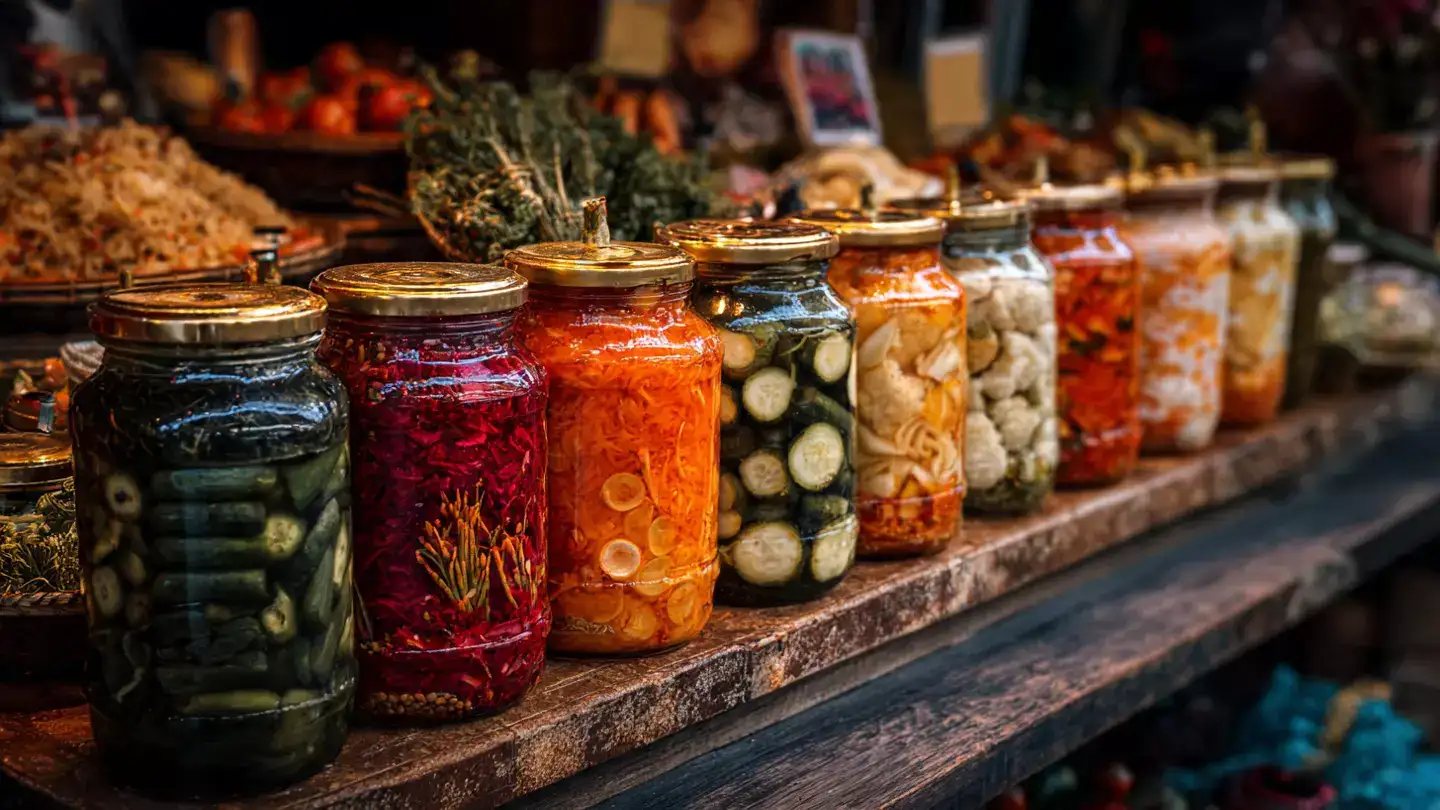
In the Indian context, traditional Indian fermentation methods have been used for centuries without modern technology. Foods like idli batter, curd and pickles rely on natural fermentation, making them easily accessible and widely consumed. Their popularity lies in their simplicity, affordability and perceived health value.
Regular consumption of probiotic foods India can help maintain a healthy balance of gut microbes. This may improve digestion, reduce bloating and support nutrient absorption, contributing to overall wellbeing.
Foods like curd and fermented beverages are often recommended during seasonal changes to support the body’s natural defence mechanisms.
For example, fermented batters used in dishes like idli and dosa may improve the absorption of nutrients compared to their non-fermented counterparts.
Commercially prepared fermented products may also include preservatives, reducing their nutritional value compared to homemade versions.
Individuals new to fermented foods should introduce them gradually into their diet to allow the body to adjust.
Understanding the disadvantages of fermented foods is important to avoid potential health concerns.
Ensuring clean preparation methods is essential when making fermented foods at home.
Opt for homemade preparations whenever possible, as they are less likely to contain additives. Combining fermented foods with a balanced diet rich in fruits, vegetables and whole grains can further enhance their benefits.
Pay attention to how your body responds and adjust your intake accordingly. This personalised approach ensures that fermented foods support your health rather than disrupt it.
Recognising both the advantages and limitations helps create a more informed approach to diet. Rather than viewing fermented foods as a cure-all, they should be seen as one part of a balanced lifestyle.
Fermented foods remain a valuable component of the Indian diet when consumed thoughtfully. By understanding what works best for your body and maintaining moderation, you can enjoy their rich flavours and potential health benefits without unnecessary risks.
Image Courtesy: Meta AI
What Are Fermented Foods And Why Are They Popular
Fermentation is a natural process where microorganisms such as bacteria and yeast convert carbohydrates into simpler compounds. This process enhances flavour, texture and shelf life of food.In the Indian context, traditional Indian fermentation methods have been used for centuries without modern technology. Foods like idli batter, curd and pickles rely on natural fermentation, making them easily accessible and widely consumed. Their popularity lies in their simplicity, affordability and perceived health value.
The Good Side Of Fermented Foods In Indian Diet
Supports Gut Health And Digestion
One of the most talked-about Indian fermented foods benefits is their role in improving gut health. These foods are rich in probiotics, which are beneficial bacteria that support the digestive system.Regular consumption of probiotic foods India can help maintain a healthy balance of gut microbes. This may improve digestion, reduce bloating and support nutrient absorption, contributing to overall wellbeing.
Boosts Immunity Naturally
A healthy gut is closely linked to a strong immune system. Fermented foods are believed to enhance immunity by promoting beneficial bacteria that help the body fight infections.Foods like curd and fermented beverages are often recommended during seasonal changes to support the body’s natural defence mechanisms.
Enhances Nutrient Absorption
Fermentation can increase the bioavailability of certain nutrients. This means the body can absorb vitamins and minerals more effectively.For example, fermented batters used in dishes like idli and dosa may improve the absorption of nutrients compared to their non-fermented counterparts.
Adds Variety And Flavour To Diet
Fermented foods bring unique flavours ranging from tangy to mildly sour, making meals more enjoyable. They add diversity to everyday meals and can be easily incorporated into different cuisines across India.The Not So Good Side Of Fermented Foods
Risk Of Excess Salt And Preservatives
Some fermented foods, particularly pickles, contain high levels of salt. Excessive consumption may lead to increased sodium intake, which is not ideal for heart health.Commercially prepared fermented products may also include preservatives, reducing their nutritional value compared to homemade versions.
Overconsumption May Cause Digestive Issues
While fermented foods support digestion, consuming them in large quantities may lead to discomfort such as bloating or acidity.Individuals new to fermented foods should introduce them gradually into their diet to allow the body to adjust.
Not Suitable For Everyone
Certain people, especially those with specific digestive conditions, may not tolerate fermented foods well. In such cases, it is advisable to seek guidance before including them regularly.Understanding the disadvantages of fermented foods is important to avoid potential health concerns.
Hygiene And Preparation Concerns
Improper fermentation or unhygienic preparation can lead to contamination. This may result in harmful bacteria growth instead of beneficial microbes.Ensuring clean preparation methods is essential when making fermented foods at home.
How To Consume Fermented Foods Wisely
Moderation is key when including fermented foods in your diet. Consuming a balanced portion can help you enjoy their benefits without side effects.You may also like
Opt for homemade preparations whenever possible, as they are less likely to contain additives. Combining fermented foods with a balanced diet rich in fruits, vegetables and whole grains can further enhance their benefits.
Pay attention to how your body responds and adjust your intake accordingly. This personalised approach ensures that fermented foods support your health rather than disrupt it.
Traditional Wisdom Meets Modern Nutrition
The growing interest in fermented foods gut health India reflects a blend of traditional knowledge and modern science. While these foods have been consumed for generations, current research continues to explore their impact on health.Recognising both the advantages and limitations helps create a more informed approach to diet. Rather than viewing fermented foods as a cure-all, they should be seen as one part of a balanced lifestyle.
Fermented foods remain a valuable component of the Indian diet when consumed thoughtfully. By understanding what works best for your body and maintaining moderation, you can enjoy their rich flavours and potential health benefits without unnecessary risks.
Image Courtesy: Meta AI






More from our partners


Loving Newspoint? Download the app now
