
First-Time Travelling? Smart Budget Travel Tips You Must Know

Travelling for the first time is exciting, but it can also feel expensive and confusing. Many beginners overspend simply because they do not plan properly. The good news is that smart budget travel is not difficult. With a few simple habits, you can enjoy your journey without worrying about money.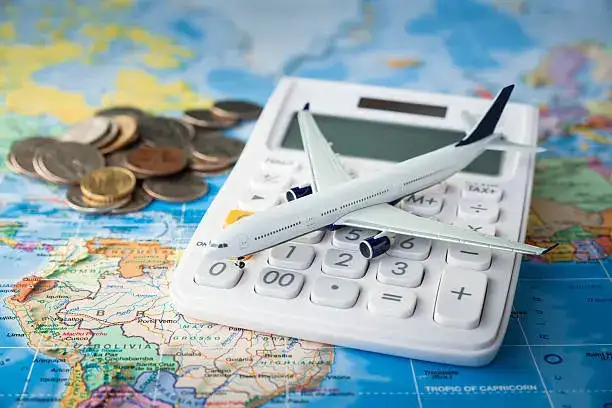
Here are some practical and easy budget travel tips every first-time traveller should know.
Try to:
Planning helps you stay organised and prevents last-minute costly decisions.
Even a rough budget is better than no plan at all.
You can consider:
Look for places close to transport hubs to save travel costs.
Try using:
It is not only cheaper but also gives you a more local travel experience.
To save money:
Local food is usually cheaper and more authentic.
Carry only essentials like:
A lighter bag makes travel easier and more flexible.
Examples include:
Exploring free spots helps you save money while still enjoying the place.
Focus more on experiences rather than buying things you may not use later.
Being open to adjustments helps you find better deals and less crowded places.
First-time travel does not need to be expensive. With smart planning, careful spending, and simple habits, you can enjoy a smooth and memorable journey without financial stress.
Travel is about experiences, not expenses. When you travel wisely, even a budget trip can feel rich and rewarding.
Here are some practical and easy budget travel tips every first-time traveller should know.
Plan Your Trip Before You Leave
Good travel always starts with planning. When you know where you are going, how long you will stay, and what you want to see, you avoid unnecessary expenses.Try to:
- Book transport early for better prices
- Research destinations in advance
- Create a simple itinerary
Planning helps you stay organised and prevents last-minute costly decisions.
Set a Clear Travel Budget
Before your trip begins, decide how much you want to spend overall. Then break it into categories like food, transport, accommodation, and activities.Having a budget helps you:
- Control unnecessary spending
- Track daily expenses
- Avoid financial stress during travel
Even a rough budget is better than no plan at all.
Choose Affordable Accommodation
You do not need expensive hotels to enjoy a good trip. Many budget-friendly options offer comfort and safety.You can consider:
- Hostels
- Guesthouses
- Homestays
- Budget hotels
Look for places close to transport hubs to save travel costs.
Use Public Transport
Taxis and private rides can quickly increase your expenses. Public transport is much more budget-friendly.Try using:
- Buses
- Metro systems
- Shared rides
It is not only cheaper but also gives you a more local travel experience.
Eat Smart, Not Expensive
Food is an important part of travel, but it can also be a big expense if not managed well.To save money:
- Eat at local restaurants
- Try street food where safe
- Avoid tourist-heavy dining spots
Local food is usually cheaper and more authentic.
Travel Light and Smart
Packing too much can lead to extra baggage charges and inconvenience.Carry only essentials like:
- Comfortable clothing
- Basic medicines
- Travel documents
- Chargers and power bank
A lighter bag makes travel easier and more flexible.
You may also like
- Melania Trump meets King Charles and Queen Camilla in style and her looks are going viral
- How to Remove Dandruff Permanently (Real Truth)
- Mysterious letter reveals secret spaces in 130-year-old home
- The tree that rains poison and causes blisters: Why the Manchineel is called the 'The tree of death'
- 4 Nutritious Green Foods for Effective Weight Loss
Look for Free Experiences
Many destinations offer free attractions that are just as enjoyable as paid ones.Examples include:
- Public parks
- Beaches
- Temples and cultural sites
- Walking tours
Exploring free spots helps you save money while still enjoying the place.
Avoid Unplanned Shopping
It is easy to overspend on souvenirs or random purchases during travel. Set a small shopping limit before your trip.Focus more on experiences rather than buying things you may not use later.
Stay Flexible With Plans
Flexibility can help you save money. Sometimes changing travel dates or routes can reduce costs significantly.Being open to adjustments helps you find better deals and less crowded places.
First-time travel does not need to be expensive. With smart planning, careful spending, and simple habits, you can enjoy a smooth and memorable journey without financial stress.
Travel is about experiences, not expenses. When you travel wisely, even a budget trip can feel rich and rewarding.






More from our partners


Loving Newspoint? Download the app now
