
Foetal Taste Development: Can Babies Taste Food In The Womb


If you are a tea lover, there is a chance that you are nurturing a tea connoisseur in your womb. Babies start to taste various flavours in the womb through amniotic fluid, which carries fragments of the mother's diet. Before they eat their first proper solid food, their sensory development already begins in the womb, and taste is an integral part of it.
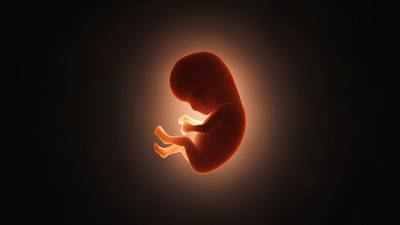
Taste buds start forming on the foetal tongue around 8 weeks of pregnancy, which form clusters of receptors. It recognises sweet, salty, sour, bitter, and umami flavours. Between 12 and 16 weeks, the foetus actively swallows amniotic fluid, a fluid which allows these receptors to detect flavours that cross the placenta into the fluid.
Flavour and Taste
Taste and flavours are different. Taste is the tongue's primary sensory function, detected by taste buds on the tongue and in the mouth. Flavours are complex and require the brain’s full sensory system to recognise flavours. Though the basic tasting system is established, the flavours are difficult to understand because, to fully appreciate the taste, airflow through the nose is required, which develops after birth.
Taste hinges on five core sensations, sweet, sour, salty, bitter, and umami, which are picked up by the receptor class in taste buds in the tongue, palate, and throat. However, flavours are more than taste. Flavours weave smell, texture, temperature, and sound.
Role of Chemoreceptors
A baby’s ability to taste depends on chemoreceptors, sensory cells that respond to chemical molecules. Taste chemoreceptors start to form around 8 weeks and are found in the fetal tongue, palate, and throat. By 12-15 weeks, these buds mature, and the pores open to allow amniotic fluid to enter the mouth.
As mothers eat, the flavour from their diet passes into the mother's bloodstream and then into the amniotic fluid. When a baby swallows this fluid, chemical compounds from the flavourvor stimulate taste receptors, allowing the baby to detect different tastes even before birth, and babies learn what is safe and familiar from your diet.
Taste is essential for survival and the reason behind the gustatory system developing earlier than vision or hearing. The ability to detect sweetness and bitterness helps protect the baby. Foetus gulp 200-750 ml of amniotic fluid daily from week 16. Sweetness from carbs increases swallowing, which helps in calming heart rates and promoting rest. Foetuses experience mini stress responses when swallowing bitter compounds, and swallowing is reduced.
Timeline of Foetal Taste Development
Brain-Taste Pathway Development
Taste is not limited to the tongue; it's more about the brain. By week 6, the gustatory papillae (taste buds) begin to form on the baby's tongue and nerves responsible for taste also start to grow. These nerves come from three pathways for carrying taste signals from the mouth and throat to the brain.
By weeks 8-10, these nerves connect to the taste cells, and by weeks 10-12, they form initial connections. This part of the brain simply passes raw signals without processing or interpreting the taste. Around week 12, the baby starts swallowing amniotic fluid. This washes the salty amniotic fluid over the receptors practising.
By weeks 14-15, taste buds fully open and begin to respond to chemical compounds in the amniotic fluid. When a baby swallows, taste molecules stimulate these receptors. The brainstem starts to organise these signals and sends them to the ventral posteromedial thalamic nucleus for awareness and decision-making.
Around 26 weeks, foetuses react to tastes differently. Sweetness slows heart rate and provides a calming effect, while bitterness triggers a stress response and increases alertness. In the third trimester, taste and smell signals merge and allow the baby to experience flavour. These allow the foetal brain to experience taste, store it as a sensory memory, and use it after birth.
Can Babies Taste Food in the Womb?
Babies can taste flavours of their mother's diet from the traces carried by amniotic fluid. Certain flavours and changes in amniotic fluid composition affect swallowing frequency, facial muscle activity, and mouth and tongue movements. Tastes from amniotic fluid affect fetal behaviour.
Umami: Shows steady swallowing and relaxed facial expressions
How Smell Impacts Taste Before Birth
Taste is more than tongue; it is a collective experience of taste and smell. Taste only detects the five core sensations. Babies recognise food by its smell. Though babies breathe air, they can still smell certain ingredients as they are odour-activating molecules dissolved in amniotic fluid. These molecules stimulate taste and smell pathways to create a collective sensory experience.
Foods that Influence Babies' Taste Preference
As a child, if your kid is increasingly attracted towards a certain flavour, you can think it's because of your pregnancy diet. Prenatal taste exposure plays a huge role in building flavour memories and turning picky eaters into food explorers. When you eat varied food during pregnancy, it supports foetal taste development and avoids new food rejection habits once the baby enters childhood.
Whether you’re pregnant, a new mom, or navigating postpartum, you don’t have to do it alone. Join our support group to connect, share, and support one another.
FAQs on Foetal Taste Development: Can Babies Taste Food In The WombWhy is it important for a foetus to develop a sense of taste?
Taste development is crucial for the foetus to develop food preferences and accept healthy foods later in life. Mother's nutrition and flavours mix into the bloodstream and pass the placenta into the amniotic fluid, which the baby swallows. When the baby swallows the flavoured fluid, it gets introduced to a new taste and saves it in their memory. It is reinforced by breastfeeding and trains the baby’s brain for a diverse palate and wholesome foods, making the transition to solid food easier. Does a baby taste spicy food in the womb?
Babies start tasting spicy foods around week 15 when they start to swallow amniotic fluid. During time,t te the baby’s taste buds are developed well to detect flavours, which will include their food preference in childhood. When the mother eats spicy food, compounds like capsaicin travel from the bloodstream into the amniotic fluid, which the foetus swallows and gets exposed to the spicy flavour.
Taste buds start forming on the foetal tongue around 8 weeks of pregnancy, which form clusters of receptors. It recognises sweet, salty, sour, bitter, and umami flavours. Between 12 and 16 weeks, the foetus actively swallows amniotic fluid, a fluid which allows these receptors to detect flavours that cross the placenta into the fluid.
Flavour and Taste
Taste and flavours are different. Taste is the tongue's primary sensory function, detected by taste buds on the tongue and in the mouth. Flavours are complex and require the brain’s full sensory system to recognise flavours. Though the basic tasting system is established, the flavours are difficult to understand because, to fully appreciate the taste, airflow through the nose is required, which develops after birth.
Taste hinges on five core sensations, sweet, sour, salty, bitter, and umami, which are picked up by the receptor class in taste buds in the tongue, palate, and throat. However, flavours are more than taste. Flavours weave smell, texture, temperature, and sound.
Role of Chemoreceptors
A baby’s ability to taste depends on chemoreceptors, sensory cells that respond to chemical molecules. Taste chemoreceptors start to form around 8 weeks and are found in the fetal tongue, palate, and throat. By 12-15 weeks, these buds mature, and the pores open to allow amniotic fluid to enter the mouth.
As mothers eat, the flavour from their diet passes into the mother's bloodstream and then into the amniotic fluid. When a baby swallows this fluid, chemical compounds from the flavourvor stimulate taste receptors, allowing the baby to detect different tastes even before birth, and babies learn what is safe and familiar from your diet.
Taste is essential for survival and the reason behind the gustatory system developing earlier than vision or hearing. The ability to detect sweetness and bitterness helps protect the baby. Foetus gulp 200-750 ml of amniotic fluid daily from week 16. Sweetness from carbs increases swallowing, which helps in calming heart rates and promoting rest. Foetuses experience mini stress responses when swallowing bitter compounds, and swallowing is reduced.
Timeline of Foetal Taste Development
- First Budding: Around week 8 to 10 of gestation, the baby’s first taste bud starts to form on the foetus’s tongue. Though they are structurally immature, their presence signals the beginning of sensory readiness.
- Pores: Around week 11-15, taste pores start opening and let amniotic fluid’s dissolved compounds reach receptor cells, and the baby responds differently to various taste compounds.
- Maturation: Between weeks 16 and 30, the bud increases by more than 10,000. Baby starts selling 200-7500 mL of amniotic fluid daily. Receptos experience many flavours from the mother's diet via the placenta. By week 30, the pore fully matures, and you can sense the baby smiling for the sweet taste, grimacing for the first time in an ultrasound.
Brain-Taste Pathway Development
Taste is not limited to the tongue; it's more about the brain. By week 6, the gustatory papillae (taste buds) begin to form on the baby's tongue and nerves responsible for taste also start to grow. These nerves come from three pathways for carrying taste signals from the mouth and throat to the brain.
By weeks 8-10, these nerves connect to the taste cells, and by weeks 10-12, they form initial connections. This part of the brain simply passes raw signals without processing or interpreting the taste. Around week 12, the baby starts swallowing amniotic fluid. This washes the salty amniotic fluid over the receptors practising.
By weeks 14-15, taste buds fully open and begin to respond to chemical compounds in the amniotic fluid. When a baby swallows, taste molecules stimulate these receptors. The brainstem starts to organise these signals and sends them to the ventral posteromedial thalamic nucleus for awareness and decision-making.
Around 26 weeks, foetuses react to tastes differently. Sweetness slows heart rate and provides a calming effect, while bitterness triggers a stress response and increases alertness. In the third trimester, taste and smell signals merge and allow the baby to experience flavour. These allow the foetal brain to experience taste, store it as a sensory memory, and use it after birth.
Can Babies Taste Food in the Womb?
Babies can taste flavours of their mother's diet from the traces carried by amniotic fluid. Certain flavours and changes in amniotic fluid composition affect swallowing frequency, facial muscle activity, and mouth and tongue movements. Tastes from amniotic fluid affect fetal behaviour.
- Sweet: From fruits and carbs shows increased swallowing, relaxed respiration, and tension.
- Bitter: Results in reduced swallowing and alertness
How Smell Impacts Taste Before Birth
Taste is more than tongue; it is a collective experience of taste and smell. Taste only detects the five core sensations. Babies recognise food by its smell. Though babies breathe air, they can still smell certain ingredients as they are odour-activating molecules dissolved in amniotic fluid. These molecules stimulate taste and smell pathways to create a collective sensory experience.
Foods that Influence Babies' Taste Preference
- Sweet: Babies naturally prefer the sweet taste. Flavours from fruits, dairy, and naturally sweet vegetables pass into amniotic fluid.
- Bitter: Green leafy vegetables, cruciferous vegetables, and bitter gourd, which contain bitter compounds, help the baby become familiar with bitter tastes so they will accept these vegetables in early childhood.
- Spices: Garlic, cumin, coriander, fennel, cinnamon, and aromatics can alter the amniotic fluid flavour because of their strong odour
As a child, if your kid is increasingly attracted towards a certain flavour, you can think it's because of your pregnancy diet. Prenatal taste exposure plays a huge role in building flavour memories and turning picky eaters into food explorers. When you eat varied food during pregnancy, it supports foetal taste development and avoids new food rejection habits once the baby enters childhood.
Whether you’re pregnant, a new mom, or navigating postpartum, you don’t have to do it alone. Join our support group to connect, share, and support one another.
FAQs on Foetal Taste Development: Can Babies Taste Food In The Womb
Taste development is crucial for the foetus to develop food preferences and accept healthy foods later in life. Mother's nutrition and flavours mix into the bloodstream and pass the placenta into the amniotic fluid, which the baby swallows. When the baby swallows the flavoured fluid, it gets introduced to a new taste and saves it in their memory. It is reinforced by breastfeeding and trains the baby’s brain for a diverse palate and wholesome foods, making the transition to solid food easier.
Babies start tasting spicy foods around week 15 when they start to swallow amniotic fluid. During time,t te the baby’s taste buds are developed well to detect flavours, which will include their food preference in childhood. When the mother eats spicy food, compounds like capsaicin travel from the bloodstream into the amniotic fluid, which the foetus swallows and gets exposed to the spicy flavour.
Next Story