
Foods That May Naturally Protect Your Skin From Sun Damage

Sun exposure is a part of everyday life, but too much sunlight can affect the skin in many ways. Prolonged exposure to ultraviolet rays may lead to tanning, dryness, premature ageing, and in some cases long-term skin damage. While sunscreen and protective clothing remain essential, your diet can also play an important role in supporting skin health.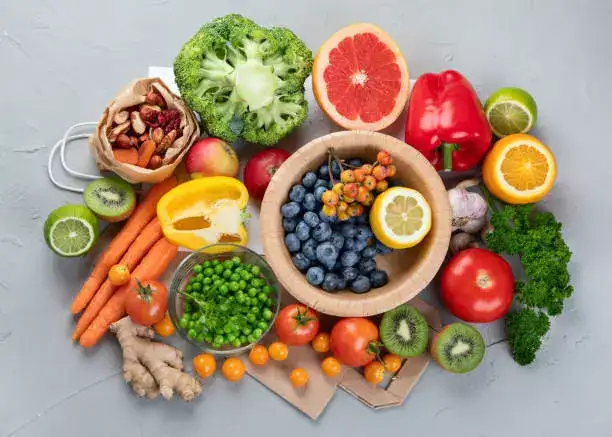
Certain foods contain antioxidants, vitamins, and natural compounds that help strengthen the skin’s natural defence system. Including these foods regularly in your meals may help your skin cope better with sun exposure.
Tomatoes
Tomatoes are rich in lycopene, a powerful antioxidant that gives them their bright red colour. Lycopene has been studied for its potential to help the skin defend itself against harmful ultraviolet rays. Eating tomatoes regularly, whether fresh or cooked, may support overall skin protection and reduce the effects of sun exposure over time.
Carrots
Carrots are packed with beta carotene, which the body converts into vitamin A. This nutrient is known to support healthy skin and may help maintain its natural barrier against environmental damage. Regular consumption of carrots can help improve skin resilience and keep it looking vibrant.
Green Tea
Green tea is loaded with polyphenols, natural compounds known for their antioxidant and anti-inflammatory properties. Drinking green tea may help reduce oxidative stress caused by sunlight and support the skin’s ability to repair itself. Many people also find it refreshing and beneficial for overall wellness.
Citrus Fruits
Oranges, lemons, grapefruits, and other citrus fruits are excellent sources of vitamin C. This vitamin plays a key role in collagen production, which helps maintain skin elasticity and strength. Vitamin C also helps fight free radicals that can form due to sun exposure, supporting healthier and more resilient skin.
Nuts and Seeds
Almonds, walnuts, sunflower seeds, and flaxseeds contain vitamin E and healthy fats that nourish the skin. Vitamin E works as a protective antioxidant that may help reduce the impact of ultraviolet damage. These foods also help keep the skin moisturised from within.
Watermelon
Watermelon is not only refreshing but also contains lycopene and a high water content. Staying hydrated is essential for maintaining healthy skin, especially during hot weather. Watermelon helps replenish fluids while also providing nutrients that support skin protection.
Leafy Green Vegetables
Vegetables such as spinach, kale, and lettuce contain lutein, zeaxanthin, and other antioxidants that support skin health. These nutrients may help the skin respond better to sunlight and reduce the impact of environmental stress.
Dark Chocolate
Dark chocolate with a high cocoa content contains flavonoids that may help improve blood circulation to the skin. Some studies suggest these compounds may enhance the skin’s ability to handle sun exposure while improving hydration and texture.
A Balanced Approach to Skin Protection
While these foods can support skin health, they should not replace sunscreen or other protective measures. Wearing protective clothing, seeking shade during peak sunlight hours, and using a good sunscreen remain essential steps to prevent sun damage.
Combining a nutritious diet with proper sun care habits can help keep your skin healthy, glowing, and better prepared to handle everyday sun exposure.
Certain foods contain antioxidants, vitamins, and natural compounds that help strengthen the skin’s natural defence system. Including these foods regularly in your meals may help your skin cope better with sun exposure.
Tomatoes
Tomatoes are rich in lycopene, a powerful antioxidant that gives them their bright red colour. Lycopene has been studied for its potential to help the skin defend itself against harmful ultraviolet rays. Eating tomatoes regularly, whether fresh or cooked, may support overall skin protection and reduce the effects of sun exposure over time.Carrots
Carrots are packed with beta carotene, which the body converts into vitamin A. This nutrient is known to support healthy skin and may help maintain its natural barrier against environmental damage. Regular consumption of carrots can help improve skin resilience and keep it looking vibrant. Green Tea
Green tea is loaded with polyphenols, natural compounds known for their antioxidant and anti-inflammatory properties. Drinking green tea may help reduce oxidative stress caused by sunlight and support the skin’s ability to repair itself. Many people also find it refreshing and beneficial for overall wellness.Citrus Fruits
Oranges, lemons, grapefruits, and other citrus fruits are excellent sources of vitamin C. This vitamin plays a key role in collagen production, which helps maintain skin elasticity and strength. Vitamin C also helps fight free radicals that can form due to sun exposure, supporting healthier and more resilient skin. Nuts and Seeds
Almonds, walnuts, sunflower seeds, and flaxseeds contain vitamin E and healthy fats that nourish the skin. Vitamin E works as a protective antioxidant that may help reduce the impact of ultraviolet damage. These foods also help keep the skin moisturised from within. Watermelon
Watermelon is not only refreshing but also contains lycopene and a high water content. Staying hydrated is essential for maintaining healthy skin, especially during hot weather. Watermelon helps replenish fluids while also providing nutrients that support skin protection. Leafy Green Vegetables
Vegetables such as spinach, kale, and lettuce contain lutein, zeaxanthin, and other antioxidants that support skin health. These nutrients may help the skin respond better to sunlight and reduce the impact of environmental stress.Dark Chocolate
Dark chocolate with a high cocoa content contains flavonoids that may help improve blood circulation to the skin. Some studies suggest these compounds may enhance the skin’s ability to handle sun exposure while improving hydration and texture. A Balanced Approach to Skin Protection
While these foods can support skin health, they should not replace sunscreen or other protective measures. Wearing protective clothing, seeking shade during peak sunlight hours, and using a good sunscreen remain essential steps to prevent sun damage. Combining a nutritious diet with proper sun care habits can help keep your skin healthy, glowing, and better prepared to handle everyday sun exposure.
Next Story