
From Fear to Friendship: A Comprehensive Guide to Building Lasting Trust with a Rescue Bird

Welcoming a rescue bird into your home is an incredibly rewarding experience, yet it is one that demands a unique blend of empathy and resilience. Unlike birds hand-reared from birth, rescues often carry the emotional weight of their past, which may include neglect, frequent rehoming, or even physical trauma. This history can manifest as aggression, loud screaming, or a total withdrawal from human interaction. Understanding that trust is not a given, but something that must be earned over time, is the first step in your journey together. By prioritising the bird's emotional needs and proceeding at their specific pace, you can lay the foundation for a profound and life-changing bond that transcends their difficult beginnings.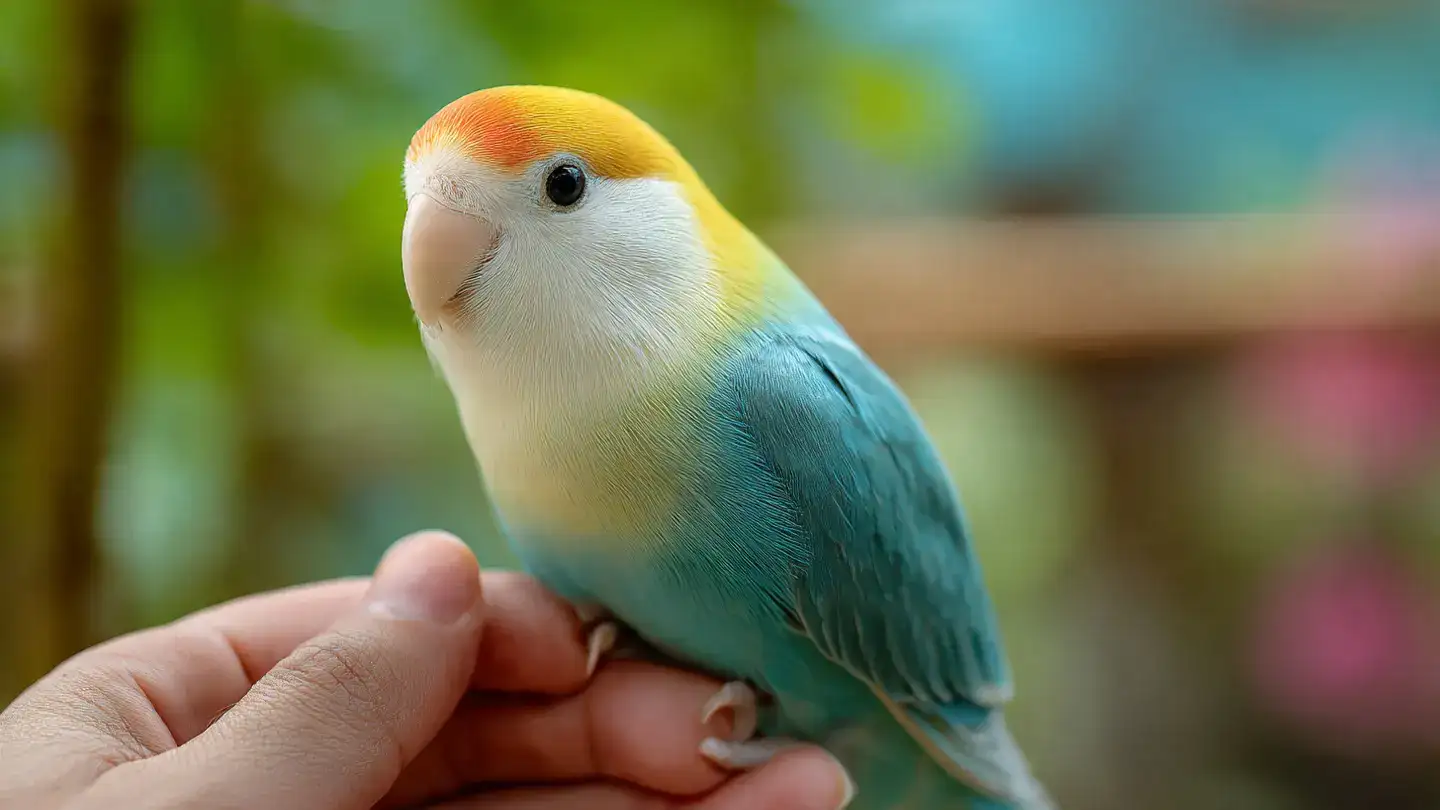
Spend time simply existing in the same space as your bird. You might read a book aloud or work quietly on a laptop nearby. This 'passive bonding' teaches the bird that your presence is non-threatening and predictable. Do not attempt to force them out of the cage or reach in to grab them, as this can severely set back your progress. Respecting their boundaries early on is the fastest way to show them that they are finally in a home where their choices and personal space are valued.
A bird that feels understood is a bird that will eventually trust. If you notice your bird leaning away or hissing, retreat immediately. This demonstrates that you respect their 'no,' which paradoxically makes them more likely to say 'yes' to future interactions. Over time, you will notice signs of relaxation, such as fluffed feathers or beak grinding, which are clear indicators that the bird is beginning to feel comfortable and safe in your presence.
Consistency is key during these short training sessions. Aim for five to ten minutes a day to prevent the bird from becoming overwhelmed. By associating your presence and your hands with their favourite snacks, you rewire their brain to see you as a source of joy rather than a source of fear. This shift is fundamental for building avian confidence, as it gives the bird a sense of control over their environment and their relationship with you.
Building trust with a bird that has been let down by humans before is an act of restoration. By providing a stable routine, nutritious food, and unwavering kindness, you are showing them that the world can be a kind place. The bond you form with a rescue bird is often deeper because it is built on a foundation of mutual understanding and overcoming adversity. Stick with the process, keep your energy calm, and eventually, your rescue bird will reward your dedication with a lifetime of loyal companionship and unique avian affection.
Image Courtesy: Meta AI
Creating a Safe Sanctuary for Healing
Before you can begin any formal avian socialisation techniques , you must ensure your new companion feels physically secure. For a bird that has been through upheaval, their cage is their only private territory. Place the enclosure in a quiet corner of a frequently used room, ensuring they have at least one wall behind them for security. This allows them to observe the household rhythms without feeling exposed from all sides. Creating a safe sanctuary means avoiding sudden movements or loud noises near the cage during those first few vital weeks.Spend time simply existing in the same space as your bird. You might read a book aloud or work quietly on a laptop nearby. This 'passive bonding' teaches the bird that your presence is non-threatening and predictable. Do not attempt to force them out of the cage or reach in to grab them, as this can severely set back your progress. Respecting their boundaries early on is the fastest way to show them that they are finally in a home where their choices and personal space are valued.
Decoding Bird Body Language Cues
Communication is the bridge to trust, but birds speak primarily through physical signals. Mastering bird body language cues is essential to avoid accidentally frightening or provoking your rescue bird. For example, 'pinning' eyes (rapidly dilating and contracting pupils) can indicate excitement or impending aggression, while slightly flared wings often mean the bird is feeling defensive. By watching these subtle shifts, you can learn when to step forward and, more importantly, when to back away and give them space.A bird that feels understood is a bird that will eventually trust. If you notice your bird leaning away or hissing, retreat immediately. This demonstrates that you respect their 'no,' which paradoxically makes them more likely to say 'yes' to future interactions. Over time, you will notice signs of relaxation, such as fluffed feathers or beak grinding, which are clear indicators that the bird is beginning to feel comfortable and safe in your presence.
You may also like
- Good News Ahead of the 8th Pay Commission! Government Hikes This Allowance; New Rules Issued—Find Out How Much You Will Receive..
- Quote of the day by Socrates for kids: Be as you wish to seem
- Empowering Children: Essential Life Skills to Teach During Summer Vacations
- Effective Strategies to Enhance Your Child's English Writing Skills
- Health meets indulgence: ITC's push for better snacking with Sunfeast Farmlite's sugar-free cookies; Aims to redefine consumer expectations in snacking
The Role of Positive Reinforcement Training
Once your bird is comfortable eating in your presence, you can begin using positive reinforcement training to encourage interaction. This method focuses on rewarding desired behaviours with high-value treats—like a small piece of walnut or a sunflower seed—rather than punishing mistakes. Start by 'target training,' where the bird touches a small stick for a reward. This provides mental stimulation and allows you to guide the bird's movement without the need for physical contact, which can be scary for a rescue.Consistency is key during these short training sessions. Aim for five to ten minutes a day to prevent the bird from becoming overwhelmed. By associating your presence and your hands with their favourite snacks, you rewire their brain to see you as a source of joy rather than a source of fear. This shift is fundamental for building avian confidence, as it gives the bird a sense of control over their environment and their relationship with you.
Patience and Longevity in the Bonding Process
It is important to remember that progress with a rescue bird is rarely a straight line. You may experience wonderful breakthroughs followed by days where the bird seems fearful again. These setbacks are a natural part of the healing process. Patience is your most valuable tool; some rescue birds may take months or even years to fully settle. Celebrate the small victories, such as the first time they take a treat from your hand or the first time they whistle back at you when you enter the room.Building trust with a bird that has been let down by humans before is an act of restoration. By providing a stable routine, nutritious food, and unwavering kindness, you are showing them that the world can be a kind place. The bond you form with a rescue bird is often deeper because it is built on a foundation of mutual understanding and overcoming adversity. Stick with the process, keep your energy calm, and eventually, your rescue bird will reward your dedication with a lifetime of loyal companionship and unique avian affection.
Image Courtesy: Meta AI






More from our partners


Loving Newspoint? Download the app now
