
From Fearful To Friendly: How To Tame A Shy Or Scared Bird With Patience And Trust

How To Help A Shy Or Scared Bird Feel Safe At Home: Bringing home a shy or scared bird can feel overwhelming, especially when your new companion avoids contact, flutters nervously or retreats to the corner of the cage. Fear in birds is common, particularly if they have experienced limited socialisation or past stress. The good news is that trust can be built gradually through patience, consistency and understanding natural behaviour. Learning how to tame a shy bird is not about forcing interaction but creating a safe and predictable environment. With gentle scared bird training techniques and steady encouragement, even the most nervous bird can grow confident and affectionate over time.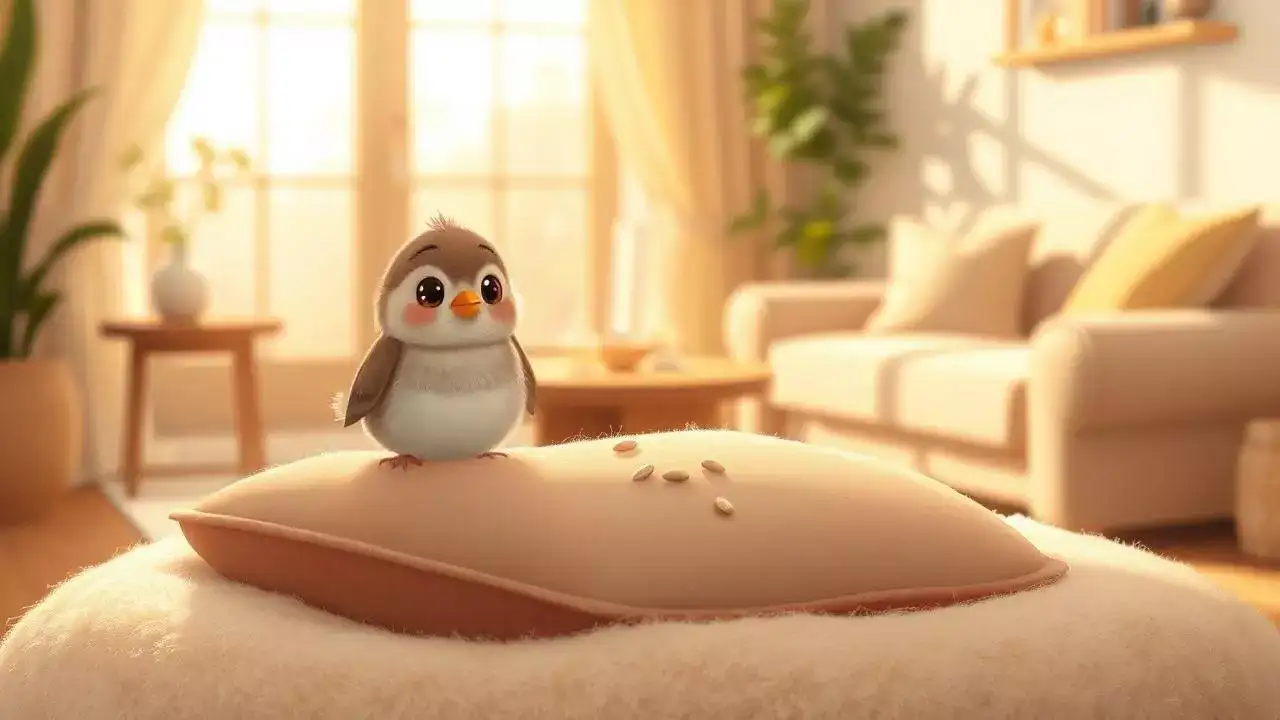
A newly adopted bird may be adjusting to a different home, new people and unfamiliar routines. Lack of early handling or previous negative experiences can also contribute to anxiety. Recognising that fear is instinctive rather than stubbornness helps you respond with empathy.
Observe your bird’s body language. Fluffed feathers, rapid breathing, crouching low on a perch or retreating to the back of the cage often indicate stress. Understanding these signals is the first step in effective bird trust building .
Maintain a consistent daily routine. Feed, clean and interact with your bird at similar times each day. Predictability reduces anxiety and builds a sense of security.
Speak softly when near the cage. Even if your bird does not respond immediately, hearing your calm voice regularly helps it associate you with safety. Gentle presence is often more powerful than active attempts at handling during the early stages.
Let your bird observe you without pressure. Over time, it may start approaching the front of the cage out of curiosity. This is a positive sign of progress.
Open the cage door only when your bird appears relaxed in your presence. Even then, avoid sudden hand movements. Gradual exposure is key in how to calm a nervous bird effectively.
If the bird hesitates, place the treat in a visible spot and step back slightly. Allow it to approach on its own terms. Each small step forward should be acknowledged positively.
As comfort increases, you can begin placing your hand inside the cage while holding a treat. Keep movements slow and steady. The goal is for your bird to associate your hand with positive experiences rather than fear.
If your bird steps up, offer immediate praise or a treat. If it retreats, remain patient and try again later. Short, regular sessions are more effective than long attempts that may cause stress.
Handling should always be calm and controlled. Avoid chasing your bird around the cage, as this can damage progress and increase anxiety.
Respecting boundaries strengthens trust. Forcing interaction can reverse progress. Allow your bird to retreat when necessary and resume training once it appears calm.
Consistency, rather than intensity, builds long term confidence. Small daily improvements eventually lead to significant behavioural changes.
Talk to your bird regularly throughout the day. Even if it does not respond, exposure to gentle conversation enhances familiarity. Some birds respond well to soft music played at low volume.
If your household includes multiple people, introduce them gradually. Too many new faces at once can overwhelm a nervous bird.
Celebrate these milestones. They indicate that your bird feels safer in your presence. Patience and understanding are far more effective than rushing the process.
By focusing on bird trust building, maintaining a calm routine and applying thoughtful parrot behaviour tips, you create an environment where your feathered companion can thrive. Over time, the once timid bird may begin stepping up willingly, vocalising happily and seeking interaction. With compassion and consistency, even the most nervous bird can transform into a confident and trusting member of your home.
Understand Why Your Bird Is Afraid
Before beginning scared bird training, it is important to understand the reasons behind your bird’s behaviour. Birds are prey animals in the wild, which makes them naturally cautious. Sudden movements, loud sounds or unfamiliar environments can easily trigger fear responses.A newly adopted bird may be adjusting to a different home, new people and unfamiliar routines. Lack of early handling or previous negative experiences can also contribute to anxiety. Recognising that fear is instinctive rather than stubbornness helps you respond with empathy.
Observe your bird’s body language. Fluffed feathers, rapid breathing, crouching low on a perch or retreating to the back of the cage often indicate stress. Understanding these signals is the first step in effective bird trust building .
Create A Safe And Calm Environment
A stable environment is essential when trying to tame a shy bird. Place the cage in a quiet area where the bird can observe household activity without being overwhelmed. Avoid positioning the cage in direct drafts or areas with constant noise.Maintain a consistent daily routine. Feed, clean and interact with your bird at similar times each day. Predictability reduces anxiety and builds a sense of security.
Speak softly when near the cage. Even if your bird does not respond immediately, hearing your calm voice regularly helps it associate you with safety. Gentle presence is often more powerful than active attempts at handling during the early stages.
Allow Your Bird To Adjust At Its Own Pace
One of the most common mistakes in scared bird training is moving too quickly. Resist the urge to reach into the cage immediately or force physical contact. Instead, begin by simply sitting near the cage and talking quietly.Let your bird observe you without pressure. Over time, it may start approaching the front of the cage out of curiosity. This is a positive sign of progress.
Open the cage door only when your bird appears relaxed in your presence. Even then, avoid sudden hand movements. Gradual exposure is key in how to calm a nervous bird effectively.
Use Positive Reinforcement To Encourage Trust
Positive reinforcement is central to parrot behaviour tips and trust building. Identify a favourite treat and offer it gently through the cage bars. If your bird takes it, reward the behaviour with soft praise.If the bird hesitates, place the treat in a visible spot and step back slightly. Allow it to approach on its own terms. Each small step forward should be acknowledged positively.
As comfort increases, you can begin placing your hand inside the cage while holding a treat. Keep movements slow and steady. The goal is for your bird to associate your hand with positive experiences rather than fear.
Introduce Gentle Handling Gradually
Once your bird comfortably eats from your hand, you can begin basic step up training. Gently place your finger or a perch just below the bird’s chest and say a consistent cue such as “step up”. Do not push forcefully. A light, steady motion encourages balance without intimidation.If your bird steps up, offer immediate praise or a treat. If it retreats, remain patient and try again later. Short, regular sessions are more effective than long attempts that may cause stress.
Handling should always be calm and controlled. Avoid chasing your bird around the cage, as this can damage progress and increase anxiety.
Monitor Body Language And Respect Boundaries
Learning how to tame a shy bird involves recognising when to pause. Signs of discomfort such as lunging, biting, feather ruffling or rapid movements indicate that your bird needs space.Respecting boundaries strengthens trust. Forcing interaction can reverse progress. Allow your bird to retreat when necessary and resume training once it appears calm.
Consistency, rather than intensity, builds long term confidence. Small daily improvements eventually lead to significant behavioural changes.
Encourage Mental Stimulation And Social Interaction
A bored bird may become more anxious. Provide safe toys, climbing opportunities and interactive elements within the cage. Mental stimulation improves overall wellbeing and supports pet bird care .Talk to your bird regularly throughout the day. Even if it does not respond, exposure to gentle conversation enhances familiarity. Some birds respond well to soft music played at low volume.
If your household includes multiple people, introduce them gradually. Too many new faces at once can overwhelm a nervous bird.
Be Patient And Celebrate Small Wins
Taming a shy or scared bird is a gradual journey. Some birds adjust within weeks, while others may take several months to fully trust their owners. Progress might appear subtle at first, such as remaining calm when you approach or accepting treats without hesitation.Celebrate these milestones. They indicate that your bird feels safer in your presence. Patience and understanding are far more effective than rushing the process.
By focusing on bird trust building, maintaining a calm routine and applying thoughtful parrot behaviour tips, you create an environment where your feathered companion can thrive. Over time, the once timid bird may begin stepping up willingly, vocalising happily and seeking interaction. With compassion and consistency, even the most nervous bird can transform into a confident and trusting member of your home.
Next Story