
From Pompeii Worms To Desert Foxes: 5 Amazing Animals That Love Extreme Heat

While most of us are desperately reaching for the nearest fan or AC remote during heatwaves, there are animals out there that don’t just survive scorching temperatures — they actually thrive in them.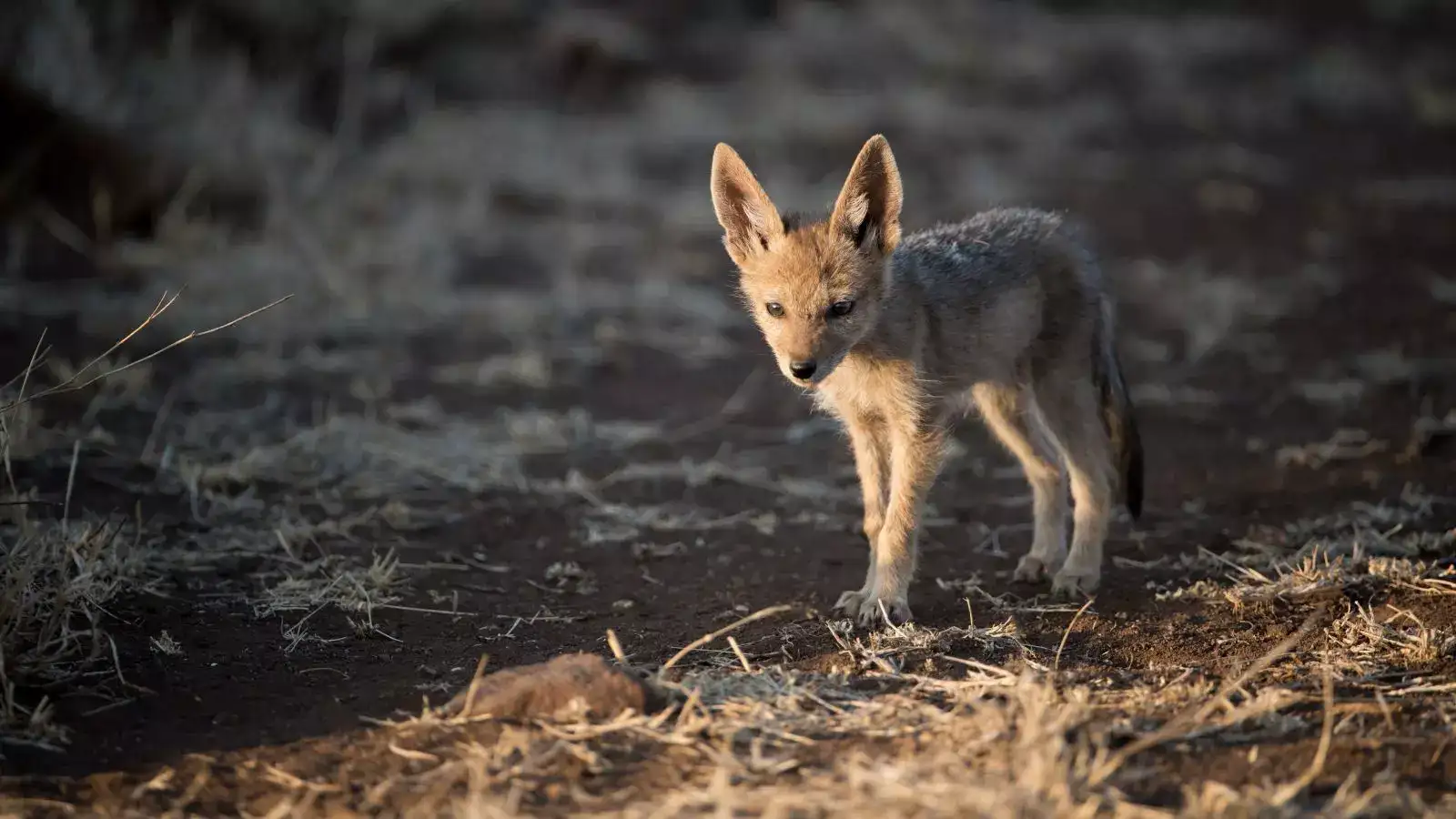
From microscopic superheroes to desert dwellers with heat-defying designs, nature’s creativity shows no bounds when it comes to life under the sun (or near boiling vents!).
Here’s a closer look at five remarkable heat-lovers and what makes them so brilliantly adapted.
Pompeii worm : The master of boiling vents
Imagine living somewhere as hot as boiling water. The Pompeii worm does exactly that. Found clinging to deep-sea hydrothermal vents, these worms thrive in water that can reach around 105°C — hotter than most kettles!
Their secret? A layer of bacteria that coats their backs, acting like a living heat shield. In return, the bacteria get a safe home. It’s evolution’s perfect partnership.
Tardigrades : Tiny but almost indestructible
Also called water bears, tardigrades are microscopic creatures famous for being practically impossible to kill. Scientists have tested them in extreme heat (up to 150°C), freezing cold, radiation, and even the vacuum of space.
Their superpower? When conditions get too harsh, they enter a state called “cryptobiosis,” effectively shutting down until things improve. They’re living proof that size doesn’t matter when it comes to toughness.
Saharan silver ants : Running on hot sand
The Sahara Desert’s midday sand can reach blistering temperatures over 60°C. But for the Saharan silver ant, that’s no problem.
These ants have shiny, heat-reflecting bodies and incredibly fast legs that help them dash across burning sand without getting cooked. Think of them as tiny desert sprinters with a built-in mirror suit.
Heat-loving microbes: Champions of boiling springs
They might not technically be animals, but thermophiles — heat-loving bacteria and archaea — deserve a special mention. Some of them thrive in hot springs and geysers at over 120°C.
One remarkable microbe, known as “Strain 121,” survives temperatures used to sterilise hospital equipment. Nature’s engineering at its finest.
Fennec foxes: Big ears and desert smarts
Desert foxes like the fennec fox have evolved clever ways to beat the heat. Their enormous ears aren’t just cute; they help release body heat.
Add in a thick yet breathable coat and the ability to survive on minimal water, and you’ve got a desert specialist perfectly designed for scorching days and chilly nights.
Nature’s heatproof wonders
Whether they’re living by boiling vents, racing across desert sands, or floating through space, these animals show us that surviving heat isn’t just about strength — it’s about smart design and incredible adaptation.
The next time you complain about summer, remember these cool creatures who call extreme heat home.
From microscopic superheroes to desert dwellers with heat-defying designs, nature’s creativity shows no bounds when it comes to life under the sun (or near boiling vents!).
Here’s a closer look at five remarkable heat-lovers and what makes them so brilliantly adapted.
Pompeii worm : The master of boiling vents
Imagine living somewhere as hot as boiling water. The Pompeii worm does exactly that. Found clinging to deep-sea hydrothermal vents, these worms thrive in water that can reach around 105°C — hotter than most kettles!
Their secret? A layer of bacteria that coats their backs, acting like a living heat shield. In return, the bacteria get a safe home. It’s evolution’s perfect partnership.
Tardigrades : Tiny but almost indestructible
Also called water bears, tardigrades are microscopic creatures famous for being practically impossible to kill. Scientists have tested them in extreme heat (up to 150°C), freezing cold, radiation, and even the vacuum of space.
Their superpower? When conditions get too harsh, they enter a state called “cryptobiosis,” effectively shutting down until things improve. They’re living proof that size doesn’t matter when it comes to toughness.
Saharan silver ants : Running on hot sand
The Sahara Desert’s midday sand can reach blistering temperatures over 60°C. But for the Saharan silver ant, that’s no problem.
These ants have shiny, heat-reflecting bodies and incredibly fast legs that help them dash across burning sand without getting cooked. Think of them as tiny desert sprinters with a built-in mirror suit.
Heat-loving microbes: Champions of boiling springs
They might not technically be animals, but thermophiles — heat-loving bacteria and archaea — deserve a special mention. Some of them thrive in hot springs and geysers at over 120°C.
One remarkable microbe, known as “Strain 121,” survives temperatures used to sterilise hospital equipment. Nature’s engineering at its finest.
Fennec foxes: Big ears and desert smarts
Desert foxes like the fennec fox have evolved clever ways to beat the heat. Their enormous ears aren’t just cute; they help release body heat.
Add in a thick yet breathable coat and the ability to survive on minimal water, and you’ve got a desert specialist perfectly designed for scorching days and chilly nights.
Nature’s heatproof wonders
Whether they’re living by boiling vents, racing across desert sands, or floating through space, these animals show us that surviving heat isn’t just about strength — it’s about smart design and incredible adaptation.
The next time you complain about summer, remember these cool creatures who call extreme heat home.
Next Story