
Fruitful Skincare: How Eating and Using the Right Fruits Can Transform Your Skin From the Inside Out

There is a quiet revolution happening in the world of beauty — one rooted not in synthetic compounds or complex chemical formulas, but in something far more familiar: fruit. From the vitamin C surge in a freshly squeezed orange to the gentle enzymatic exfoliation of papaya, nature has long offered us a remarkable toolkit for healthy, radiant skin. A truly fruitful skincare routine acknowledges that glowing skin is not just built on what you put on your face, but equally on what you put into your body.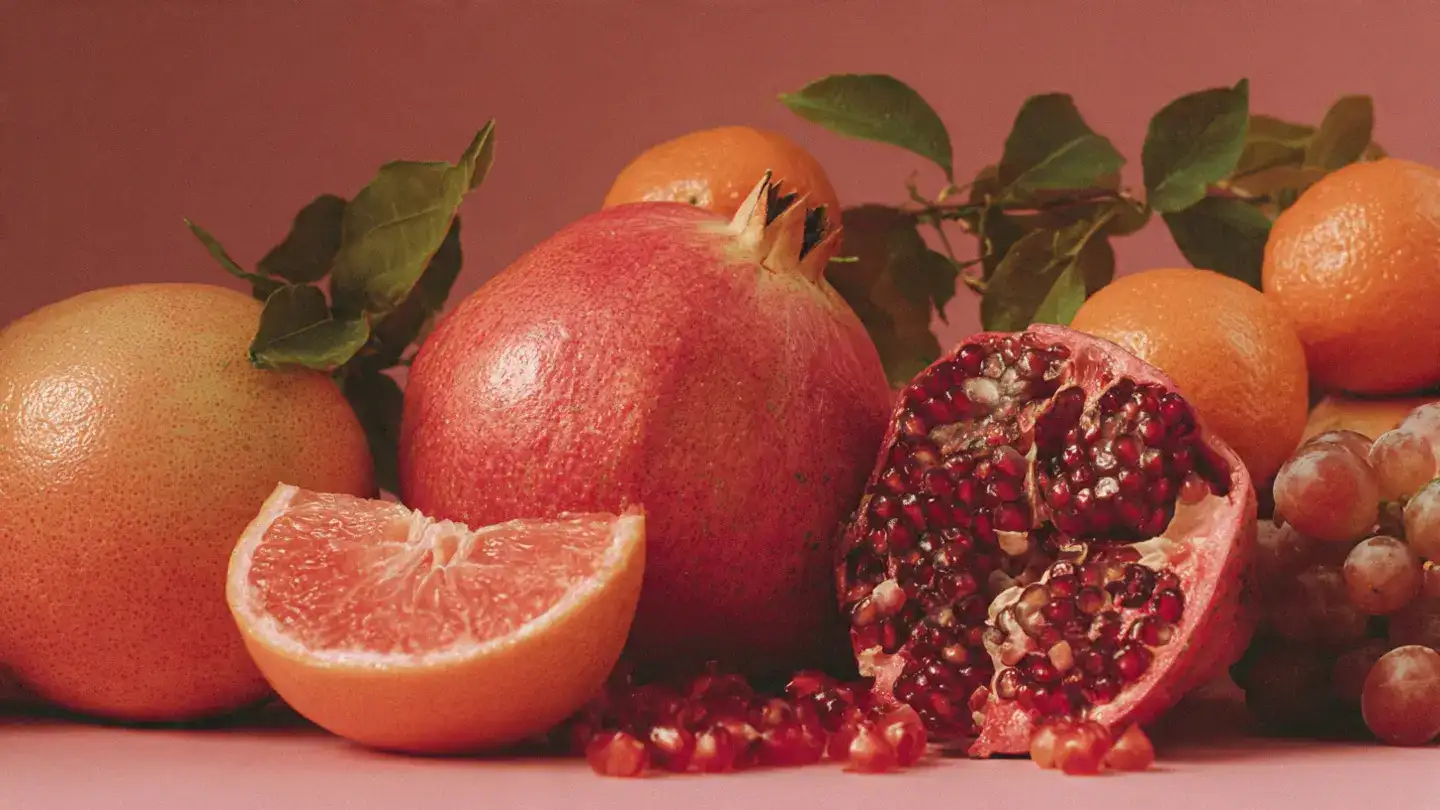
Antioxidants for skin health are another compelling reason to embrace fruit. Blueberries, pomegranates, and grapes are rich in polyphenols and flavonoids that fight free radical damage — the oxidative stress that accelerates skin ageing, dullness, and uneven tone. Incorporating these fruits regularly into your diet is one of the most effective and natural ways to protect your skin at a cellular level.
Papaya contains papain, a proteolytic enzyme that digests dead skin proteins, making it a superb natural exfoliant. Pineapple offers bromelain, which functions similarly, softening the skin and reducing surface congestion. Unlike harsh synthetic exfoliants, these fruit-based skincare ingredients are typically gentler on the skin barrier, making them suitable for a wider range of skin types, including sensitive skin.
Rosehip, technically a fruit, deserves special mention. Cold-pressed rosehip oil is rich in essential fatty acids and beta-carotene, which help to repair the skin barrier, reduce scarring, and even out skin tone. It is one of the most celebrated natural skincare ingredients in modern formulations, and for very good reason.
Watermelon, for instance, is approximately 92% water and also contains lycopene, a powerful antioxidant linked to UV protection and improved skin texture. Avocado — technically a fruit — is loaded with monounsaturated fats and vitamin E, both of which deeply moisturise the skin from within and support the integrity of the skin's lipid barrier.
Mango provides a concentrated source of vitamin A and beta-carotene, nutrients that promote healthy skin cell regeneration and help address hyperpigmentation. Eating a varied rainbow of fruits each day ensures your skin receives a broad spectrum of these complementary nutrients working in concert.
Start your morning with a fruit-rich breakfast — a smoothie bowl with berries, banana, and kiwi is an easy way to flood your body with skin-supportive nutrients. During the day, reach for whole fruits rather than juices, as the fibre in whole fruit helps regulate blood sugar levels. Persistent blood sugar spikes, triggered by high glycaemic foods, are known to accelerate glycation — a process that damages collagen and elastin fibres, contributing to premature skin ageing.
Topically, introduce a vitamin C serum in the morning to harness the brightening and protective benefits of this essential nutrient. In the evening, consider a gentle AHA toner or a fruit enzyme mask once or twice a week to encourage cell turnover without stripping the skin. A nourishing rosehip or sea buckthorn oil — both fruit-derived — can serve as an overnight treatment to support repair and hydration.
Similarly, consuming excessive fruit juices high in natural sugars without balancing them with fibre and protein may inadvertently spike blood sugar — working against your skin goals rather than supporting them. Moderation and variety are key principles of any genuinely fruitful skincare philosophy.
When you feed your body well, protect it with thoughtfully chosen natural skincare ingredients, and remain consistent with both, the results are not just cosmetic. They are a genuine reflection of health radiating outward. Your skin, given the right internal and external nourishment, is extraordinarily capable of flourishing — and fruit, in all its glorious variety, is one of the finest partners it can have.
Image Courtesy: Meta AI
Why Fruit Belongs in Your Skincare Routine
Fruit is extraordinarily rich in vitamins, minerals, antioxidants, and natural acids — all of which play a direct role in skin health. Vitamin C, found abundantly in citrus fruits, kiwis, and strawberries, is essential for collagen synthesis. Collagen is the structural protein responsible for keeping skin firm, plump, and youthful. Without adequate vitamin C, collagen production slows, and the signs of ageing become more pronounced.Antioxidants for skin health are another compelling reason to embrace fruit. Blueberries, pomegranates, and grapes are rich in polyphenols and flavonoids that fight free radical damage — the oxidative stress that accelerates skin ageing, dullness, and uneven tone. Incorporating these fruits regularly into your diet is one of the most effective and natural ways to protect your skin at a cellular level.
Topical Fruit Extracts: What Science Says
The beauty industry has long recognised the power of fruit extracts for glowing skin . Alpha hydroxy acids (AHAs), derived from fruits such as apples, grapes, and citrus, are widely used in serums, toners, and exfoliants. These naturally occurring acids gently dissolve dead skin cells, unclog pores, and encourage cellular turnover — revealing fresher, brighter skin beneath.Papaya contains papain, a proteolytic enzyme that digests dead skin proteins, making it a superb natural exfoliant. Pineapple offers bromelain, which functions similarly, softening the skin and reducing surface congestion. Unlike harsh synthetic exfoliants, these fruit-based skincare ingredients are typically gentler on the skin barrier, making them suitable for a wider range of skin types, including sensitive skin.
Rosehip, technically a fruit, deserves special mention. Cold-pressed rosehip oil is rich in essential fatty acids and beta-carotene, which help to repair the skin barrier, reduce scarring, and even out skin tone. It is one of the most celebrated natural skincare ingredients in modern formulations, and for very good reason.
Nourishing Skin From the Inside Out
The phrase "beauty from within" is not merely a wellness cliché — it is supported by a growing body of nutritional science. Skin nourishment from the inside out begins with a diet that prioritises hydration, micronutrients, and anti-inflammatory foods. Fruit ticks every one of these boxes.Watermelon, for instance, is approximately 92% water and also contains lycopene, a powerful antioxidant linked to UV protection and improved skin texture. Avocado — technically a fruit — is loaded with monounsaturated fats and vitamin E, both of which deeply moisturise the skin from within and support the integrity of the skin's lipid barrier.
Mango provides a concentrated source of vitamin A and beta-carotene, nutrients that promote healthy skin cell regeneration and help address hyperpigmentation. Eating a varied rainbow of fruits each day ensures your skin receives a broad spectrum of these complementary nutrients working in concert.
Building Your Fruitful Skincare Routine Step by Step
Combining dietary changes with topical application creates a holistic approach that delivers results no single strategy can achieve alone.Start your morning with a fruit-rich breakfast — a smoothie bowl with berries, banana, and kiwi is an easy way to flood your body with skin-supportive nutrients. During the day, reach for whole fruits rather than juices, as the fibre in whole fruit helps regulate blood sugar levels. Persistent blood sugar spikes, triggered by high glycaemic foods, are known to accelerate glycation — a process that damages collagen and elastin fibres, contributing to premature skin ageing.
Topically, introduce a vitamin C serum in the morning to harness the brightening and protective benefits of this essential nutrient. In the evening, consider a gentle AHA toner or a fruit enzyme mask once or twice a week to encourage cell turnover without stripping the skin. A nourishing rosehip or sea buckthorn oil — both fruit-derived — can serve as an overnight treatment to support repair and hydration.
Common Mistakes to Avoid
Not all fruit-based skincare is created equal. Applying undiluted citrus juice directly to the skin, for example, can cause irritation and even chemical burns, particularly in sunlight. Always opt for properly formulated products that harness fruit actives at safe, tested concentrations.Similarly, consuming excessive fruit juices high in natural sugars without balancing them with fibre and protein may inadvertently spike blood sugar — working against your skin goals rather than supporting them. Moderation and variety are key principles of any genuinely fruitful skincare philosophy.
The Bigger Picture: A Lifestyle, Not Just a Routine
Truly fruitful skincare is less about a rigid ten-step regimen and more about a sustained lifestyle philosophy. It asks you to think holistically — to recognise that your skin reflects your overall health, your stress levels, your hydration, and your nutritional choices.When you feed your body well, protect it with thoughtfully chosen natural skincare ingredients, and remain consistent with both, the results are not just cosmetic. They are a genuine reflection of health radiating outward. Your skin, given the right internal and external nourishment, is extraordinarily capable of flourishing — and fruit, in all its glorious variety, is one of the finest partners it can have.
Image Courtesy: Meta AI
Next Story