
Fun Brain Games to Stimulate Your Dog's Mind and Keep Them Happy, Engaged and Out of Mischief

Every dog owner knows the familiar sight of a bored dog — the shoe that has been chewed beyond recognition, the cushion that has been systematically dismembered, or the relentless, pleading eyes following you from room to room. Whilst a good walk is undeniably important, physical exercise alone does not fully meet a dog's needs. Dogs are intelligent, problem-solving animals with an innate drive to think, sniff, explore, and work for their rewards. Mental stimulation for dogs is not a luxury — it is a genuine necessity that contributes directly to their emotional wellbeing, behaviour, and overall quality of life.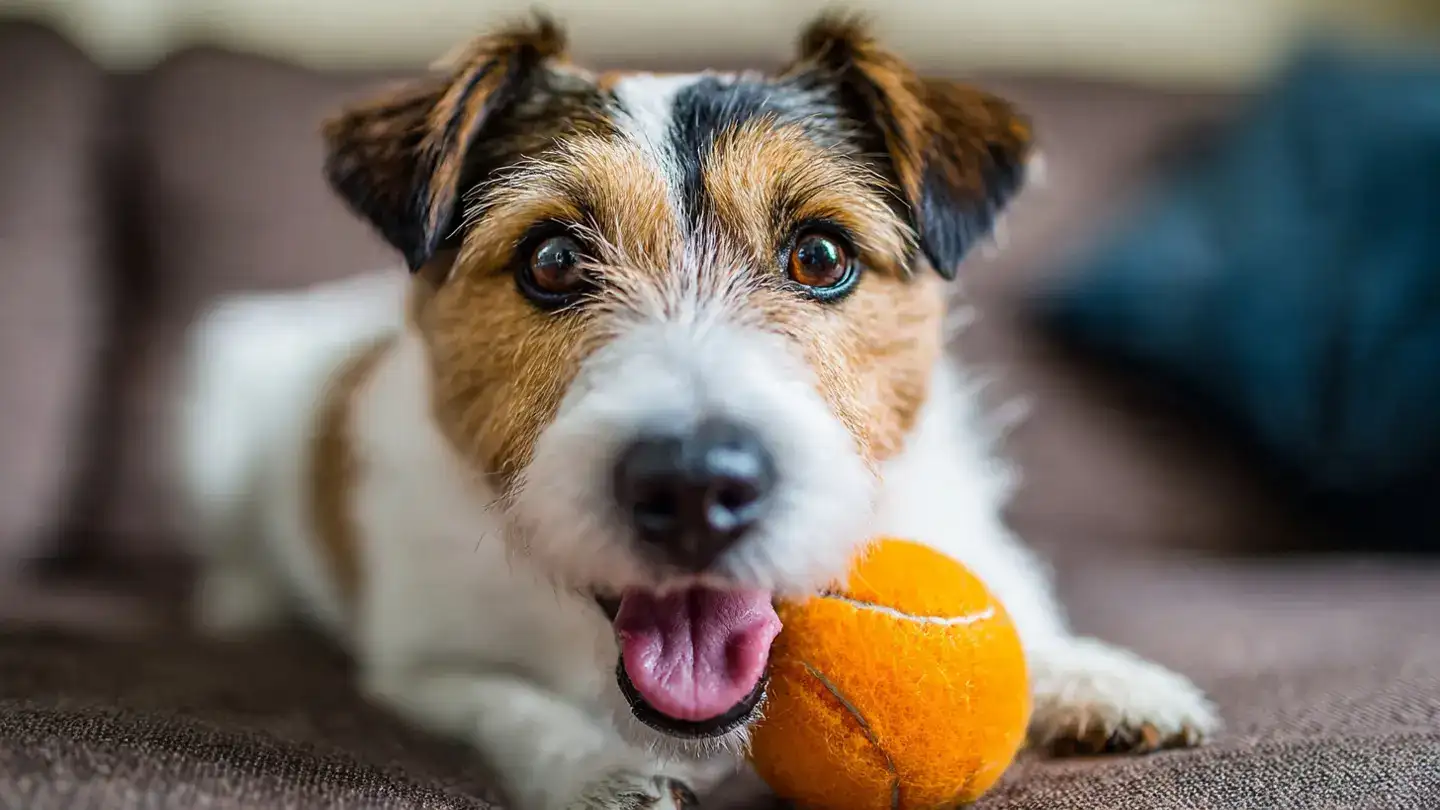
When dogs lack mental engagement, they tend to create their own entertainment, which rarely aligns with what their owners have in mind. Destructive behaviour, excessive barking, attention-seeking, and anxiety are frequently rooted in under-stimulation rather than disobedience or bad temperament. Introducing regular brain games for dogs addresses this deficit at the source, giving your pet an appropriate outlet for their natural intelligence and curiosity.
Research in canine cognition has demonstrated that dogs are capable of remarkably sophisticated problem-solving, social reasoning, and even a degree of empathy. Engaging these capacities regularly keeps the mind sharp, supports emotional regulation, and deepens the relationship between dog and owner in a way that passive activities simply do not.
Nose work is a structured activity in which dogs are trained to identify and locate a specific scent — often the essential oil of birch, anise, or clove — hidden within a defined search area. It began as a professional detection dog training technique and has since become one of the most popular dog enrichment activities for pet owners worldwide, precisely because virtually any dog can participate regardless of age, size, or physical ability.
At a simpler level, hiding treats around the house or garden and encouraging your dog to find them using their nose — sometimes called a sniff hunt or scatter feed — provides immediate mental engagement with no equipment required. Scattering kibble across a snuffle mat, a piece of artificial grass, or simply across a patch of lawn transforms an ordinary meal into a rewarding cognitive exercise.
The key to using puzzle feeders effectively is to match the difficulty level to your dog's current ability and gradually increase the challenge as they improve. Starting with a puzzle that is too complex can frustrate rather than engage, while one that is too simple will be dismissed quickly. Many owners begin with a Kong stuffed with food — frozen for extra difficulty — before progressing to more elaborate puzzle boards as their dog gains confidence.
Rotating a selection of different puzzle toys prevents the novelty from wearing off and keeps each session genuinely stimulating rather than routine.
Beyond the basics of sit, stay, and recall, dogs can learn an impressive range of skills — from identifying named toys by name to performing sequences of behaviours, closing doors, or tidying objects into a basket. Border Collies, Poodles, and German Shepherds are widely recognised for their trainability, but with patience and positive reinforcement, dogs of all breeds and mixed heritage can learn far more than most owners attempt to teach them.
Short, frequent training sessions of five to ten minutes are more effective than lengthy sessions, which can lead to mental fatigue and disengagement. Always end on a success to keep the experience positive and motivating for your dog.
Variations include using different objects as the containers, increasing the number of cups, or shuffling them more elaborately once your dog has mastered the basics. It requires no specialist equipment, costs nothing, and can be played indoors in a matter of minutes — making it one of the most practical boredom busters for dogs available to any owner.
Muffin tin games operate on a similar principle: placing treats in some or all of the cups of a muffin tin and covering each hole with a tennis ball. The dog must lift each ball to discover which cups contain the reward. Simple, effective, and deeply satisfying for a curious dog.
Learning how to keep a dog mentally stimulated does not require expensive equipment or hours of spare time. It requires observation, creativity, and a genuine interest in engaging with your dog as the intelligent, curious animal they are.
The dogs that are happiest are rarely those with the most toys. They are the ones whose minds are genuinely engaged — challenged, rewarded, and respected — each and every day.
Image Courtesy: Meta AI
Why Mental Stimulation Matters as Much as Physical Exercise
There is a well-known saying among dog trainers and behaviourists: a tired dog is a good dog. What is less often emphasised is that mental fatigue and physical fatigue are equally valuable — and in some cases, a short but cognitively demanding session can settle a dog more effectively than a lengthy walk.When dogs lack mental engagement, they tend to create their own entertainment, which rarely aligns with what their owners have in mind. Destructive behaviour, excessive barking, attention-seeking, and anxiety are frequently rooted in under-stimulation rather than disobedience or bad temperament. Introducing regular brain games for dogs addresses this deficit at the source, giving your pet an appropriate outlet for their natural intelligence and curiosity.
Research in canine cognition has demonstrated that dogs are capable of remarkably sophisticated problem-solving, social reasoning, and even a degree of empathy. Engaging these capacities regularly keeps the mind sharp, supports emotional regulation, and deepens the relationship between dog and owner in a way that passive activities simply do not.
Sniffing Games and Scent Work
Of all the enrichment activities available to dogs, scent-based games are arguably the most powerful. A dog's sense of smell is estimated to be between 10,000 and 100,000 times more acute than a human's, and allowing them to use this extraordinary ability is deeply satisfying in a way that goes well beyond ordinary play.Nose work is a structured activity in which dogs are trained to identify and locate a specific scent — often the essential oil of birch, anise, or clove — hidden within a defined search area. It began as a professional detection dog training technique and has since become one of the most popular dog enrichment activities for pet owners worldwide, precisely because virtually any dog can participate regardless of age, size, or physical ability.
At a simpler level, hiding treats around the house or garden and encouraging your dog to find them using their nose — sometimes called a sniff hunt or scatter feed — provides immediate mental engagement with no equipment required. Scattering kibble across a snuffle mat, a piece of artificial grass, or simply across a patch of lawn transforms an ordinary meal into a rewarding cognitive exercise.
Puzzle Feeders and Interactive Toys
Dog puzzle games are one of the most accessible and widely available forms of mental enrichment on the market. These range from simple treat-dispensing balls, where the dog learns to roll the toy in a specific way to release food, to multi-step puzzle boards that require lifting lids, sliding panels, and pressing buttons in sequence to reveal hidden rewards.The key to using puzzle feeders effectively is to match the difficulty level to your dog's current ability and gradually increase the challenge as they improve. Starting with a puzzle that is too complex can frustrate rather than engage, while one that is too simple will be dismissed quickly. Many owners begin with a Kong stuffed with food — frozen for extra difficulty — before progressing to more elaborate puzzle boards as their dog gains confidence.
Rotating a selection of different puzzle toys prevents the novelty from wearing off and keeps each session genuinely stimulating rather than routine.
Teaching New Tricks and Commands
Contrary to the old saying, you absolutely can teach an old dog new tricks — and you should. Learning new commands and behaviours is one of the most effective ways to keep a dog mentally stimulated because it requires concentration, memory, and the ability to associate actions with outcomes. It is also one of the most rewarding activities for the owner, offering clear and visible evidence of their dog's intelligence.Beyond the basics of sit, stay, and recall, dogs can learn an impressive range of skills — from identifying named toys by name to performing sequences of behaviours, closing doors, or tidying objects into a basket. Border Collies, Poodles, and German Shepherds are widely recognised for their trainability, but with patience and positive reinforcement, dogs of all breeds and mixed heritage can learn far more than most owners attempt to teach them.
Short, frequent training sessions of five to ten minutes are more effective than lengthy sessions, which can lead to mental fatigue and disengagement. Always end on a success to keep the experience positive and motivating for your dog.
The Shell Game and Other Classic Brain Games
The shell game — hiding a treat beneath one of three cups or containers and encouraging your dog to identify the correct one — is a simple, endlessly repeatable brain game that directly engages a dog's problem-solving and scent detection abilities simultaneously. Most dogs pick up the basic concept within a handful of sessions and quickly become remarkably accurate.Variations include using different objects as the containers, increasing the number of cups, or shuffling them more elaborately once your dog has mastered the basics. It requires no specialist equipment, costs nothing, and can be played indoors in a matter of minutes — making it one of the most practical boredom busters for dogs available to any owner.
Muffin tin games operate on a similar principle: placing treats in some or all of the cups of a muffin tin and covering each hole with a tennis ball. The dog must lift each ball to discover which cups contain the reward. Simple, effective, and deeply satisfying for a curious dog.
How to Keep a Dog Mentally Stimulated Every Day
Consistency is the element that transforms occasional enrichment into lasting behavioural benefit. Incorporating mental stimulation into your dog's daily routine — even in small doses — is far more effective than occasional intensive sessions. A scatter feed at breakfast, a short training session in the afternoon, and a sniff game in the garden before bed can collectively make a significant difference to a dog's mood, behaviour, and quality of sleep.Learning how to keep a dog mentally stimulated does not require expensive equipment or hours of spare time. It requires observation, creativity, and a genuine interest in engaging with your dog as the intelligent, curious animal they are.
The dogs that are happiest are rarely those with the most toys. They are the ones whose minds are genuinely engaged — challenged, rewarded, and respected — each and every day.
Image Courtesy: Meta AI
Next Story