
Ghee Or Olive Oil? Here’s How To Use Both Smartly In Your Daily Diet

When it comes to healthy cooking, the ghee versus olive oil debate often leaves people confused. The good news? You don’t always have to choose one over the other. Nutrition experts suggest that both can be valuable additions to your kitchen when used wisely.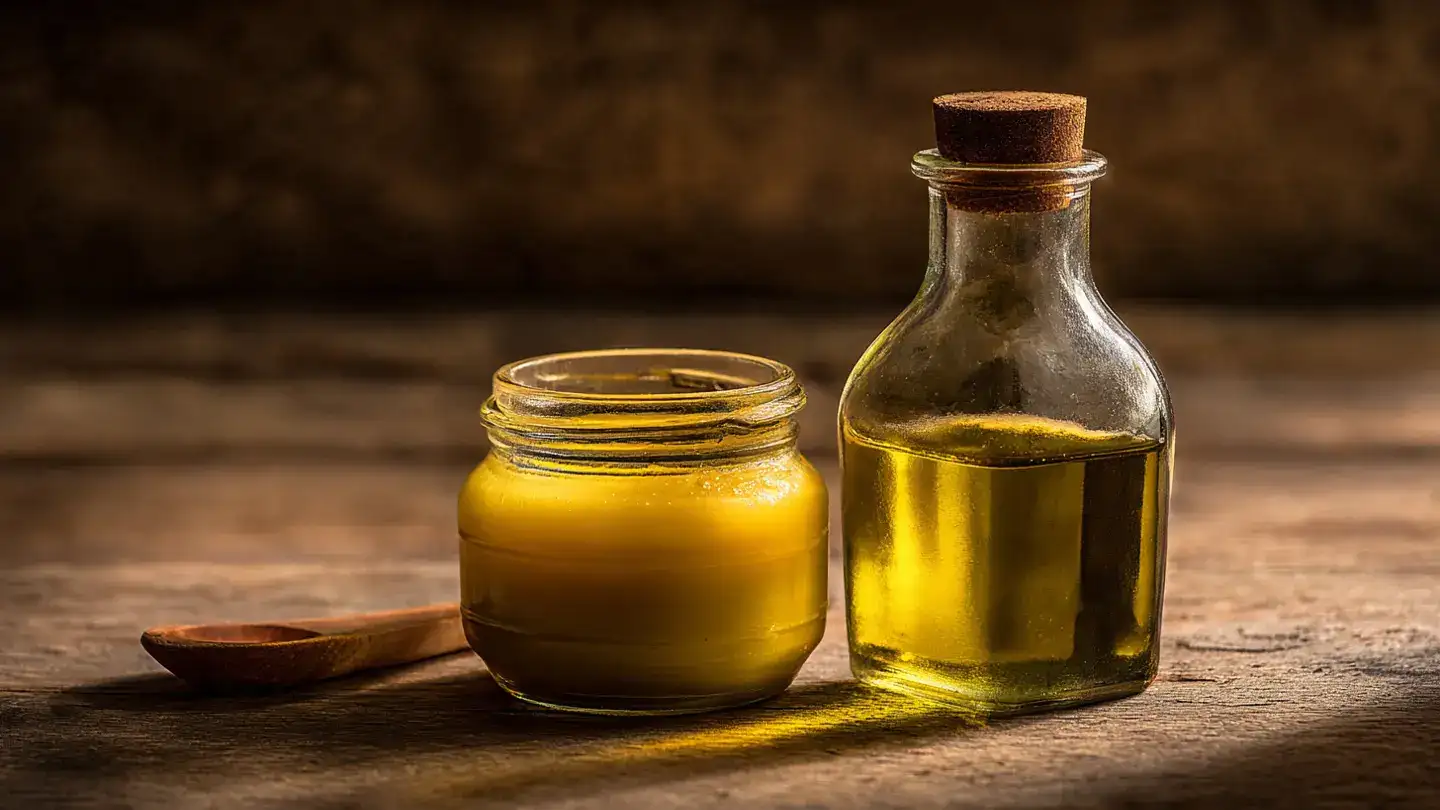
Ghee: India’s Trusted Kitchen Staple
Ghee has long been a favourite in Indian households, known for its rich aroma, taste, and traditional value. It also offers essential fat-soluble vitamins like A, D, E, and K, making it beneficial when consumed in balanced portions.
Olive Oil: A Heart-Friendly Modern Choice
Olive oil has become popular for its high content of monounsaturated fats and antioxidants. These nutrients are known to support heart health, making olive oil a smart option for lighter meals.
Where Ghee Works Best
Thanks to its high smoke point, ghee performs exceptionally well in Indian cooking methods like tadka, sautéing, and roasting. It remains stable under high heat, making it suitable for daily traditional dishes.
Where Olive Oil Shines
Olive oil is better suited for salads, dips, and low-heat cooking. Using it without excessive heat helps preserve its beneficial nutrients and natural compounds.
Balance Is The Real Key
Rather than replacing one completely, experts recommend using both according to cooking needs. Ghee can handle intense heat, while olive oil works beautifully for lighter preparations.
Moderation Makes The Difference
No matter how healthy the fat source is, portion control is essential. Overusing either ghee or olive oil can increase calorie intake, so mindful use is the healthiest approach.
A balanced kitchen may benefit most from combining tradition and modern nutrition. Ghee for robust Indian cooking, olive oil for fresh and light dishes, using both smartly can help create healthier everyday meals.
Ghee: India’s Trusted Kitchen Staple
Ghee has long been a favourite in Indian households, known for its rich aroma, taste, and traditional value. It also offers essential fat-soluble vitamins like A, D, E, and K, making it beneficial when consumed in balanced portions. Olive Oil: A Heart-Friendly Modern Choice
Olive oil has become popular for its high content of monounsaturated fats and antioxidants. These nutrients are known to support heart health, making olive oil a smart option for lighter meals.You may also like
- Gratuity vs. Pension: The Biggest Misconception Among Employees! Which Offers Greater Benefits Upon Retirement?
- If there is a delay in the pension of central government employees, the government will pay a 'heavy fine'..
- If you want to keep your portfolio in the green, understand that the true shield of investing is diversification..
- Celebrity Highlights: Ranveer Singh's Family Outing and Mehreen Pirzada's Wedding
- Richa Chadha Transforms into a Detective in Upcoming Crime Thriller Series
Where Ghee Works Best
Thanks to its high smoke point, ghee performs exceptionally well in Indian cooking methods like tadka, sautéing, and roasting. It remains stable under high heat, making it suitable for daily traditional dishes. Where Olive Oil Shines
Olive oil is better suited for salads, dips, and low-heat cooking. Using it without excessive heat helps preserve its beneficial nutrients and natural compounds.Balance Is The Real Key
Rather than replacing one completely, experts recommend using both according to cooking needs. Ghee can handle intense heat, while olive oil works beautifully for lighter preparations. Moderation Makes The Difference
No matter how healthy the fat source is, portion control is essential. Overusing either ghee or olive oil can increase calorie intake, so mindful use is the healthiest approach. A balanced kitchen may benefit most from combining tradition and modern nutrition. Ghee for robust Indian cooking, olive oil for fresh and light dishes, using both smartly can help create healthier everyday meals.






More from our partners


Loving Newspoint? Download the app now
