
Ghee Vs Oil For Everyday Cooking: Which Is The Healthier Choice For Your Kitchen

Ghee Vs Oil ; Understanding The Basics Of Everyday Cooking Fats: In most Indian kitchens, cooking fat is one of the most important ingredients that shapes both flavour and nutrition. Two of the most commonly used options are ghee and cooking oil. While ghee has been a staple in traditional cooking for centuries, various types of oils have become popular in modern diets. The debate around ghee vs oil often revolves around health, nutrition and cooking suitability. Understanding the differences between these two cooking fats can help people make informed choices about their everyday meals while balancing taste, nutrition and lifestyle needs.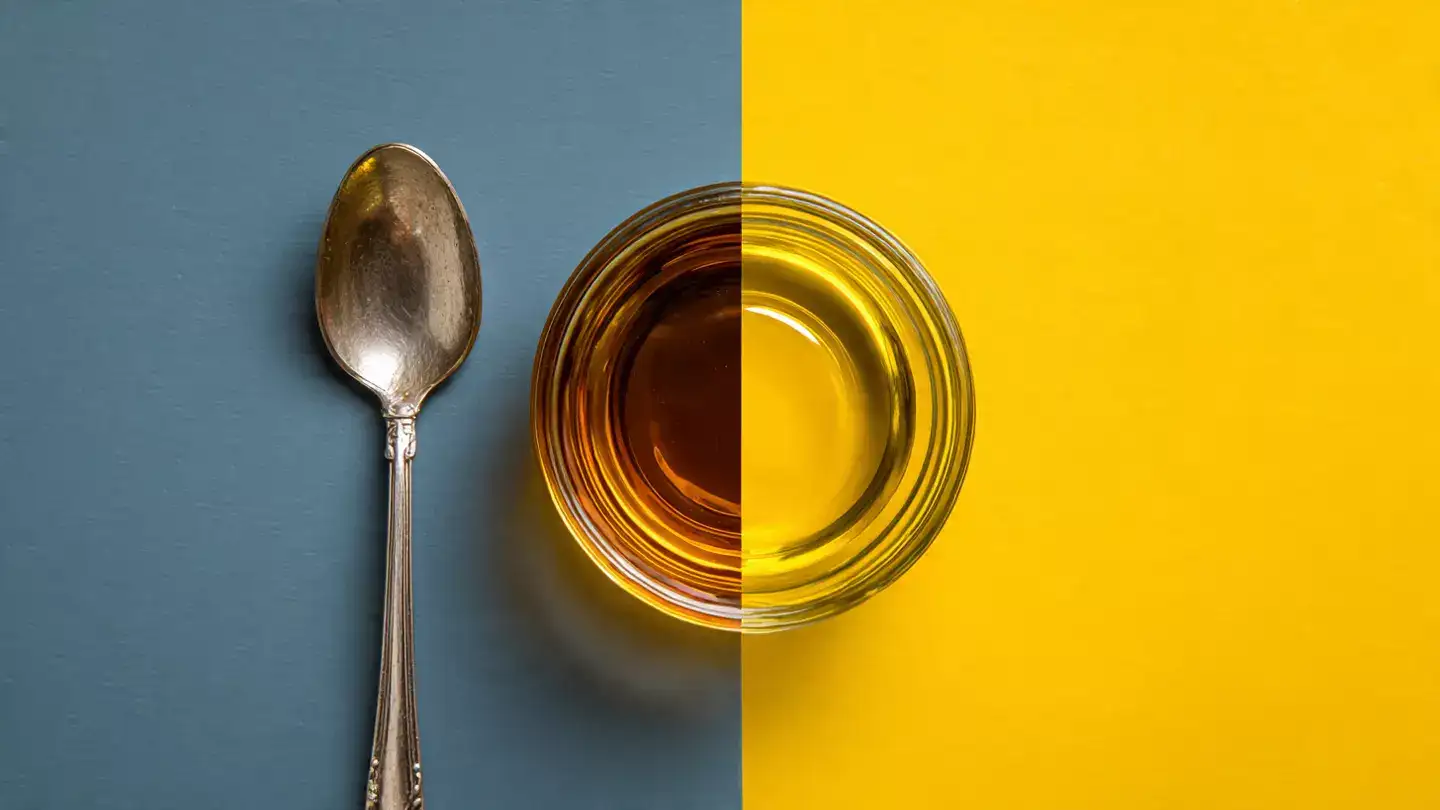
One of the key benefits of ghee is its high smoke point, which makes it suitable for frying, sautéing and roasting. When cooking fats reach their smoke point, they begin to break down and release harmful compounds. Because ghee can tolerate higher temperatures, it remains stable during cooking.
Another reason many people prefer ghee for cooking is its flavour. Even a small amount can enhance the taste of dishes such as dal, vegetables, rice and breads. In addition, ghee contains fat-soluble vitamins like A, D, E and K that play an important role in overall health.
Some oils are rich in monounsaturated fats, which are considered beneficial for heart health. Others contain polyunsaturated fats, including omega-3 and omega-6 fatty acids that support various body functions. Because of this variety, choosing the best oil for cooking often depends on the type of cuisine and cooking method.
Refined oils are commonly used in households because they have a neutral taste and longer shelf life. However, cold-pressed oils are gaining popularity as they are less processed and may retain more natural nutrients.
The cooking oil vs ghee discussion often highlights that oils generally contain unsaturated fats, which are considered healthier when consumed in moderation.
Saturated fats have long been associated with heart health concerns when consumed excessively. However, recent discussions in nutrition suggest that moderate intake of natural fats like ghee may not be harmful when part of a balanced diet.
Vegetable oils, particularly those high in monounsaturated and polyunsaturated fats, are often recommended for maintaining healthy cholesterol levels. Oils like olive oil and mustard oil are commonly included in heart-friendly diets.
Another point to consider is that ghee is naturally free of lactose because the milk solids are removed during the clarification process. This makes it easier to digest for many people who are sensitive to dairy products.
Ghee typically has a smoke point of around 250°C, which makes it ideal for deep frying and high-heat cooking. This stability reduces the risk of harmful compounds forming during heating.
Different cooking oils have different smoke points. For example, mustard oil and groundnut oil are suitable for high-heat cooking, while olive oil is often preferred for low to medium heat applications.
Choosing the right fat based on cooking temperature can help preserve both flavour and nutritional value.
Ghee can be beneficial in small amounts because it provides energy and essential fat-soluble vitamins. At the same time, excessive consumption may increase saturated fat intake.
On the other hand, oils that contain unsaturated fats can support heart health, but highly processed oils may lose some nutritional value during refining.
For many households, a balanced approach that includes both ghee and different types of cooking oils may offer the best nutritional variety.
Rotating different healthy cooking fats in the kitchen can help maintain a balanced intake of nutrients. For example, ghee may be used for tempering and flavour, while oils rich in unsaturated fats can be used for daily cooking.
Ultimately, the best approach is to focus on overall diet quality, portion control and the use of natural, minimally processed ingredients. By understanding the differences between ghee vs oil, individuals can make better decisions that support both health and taste in everyday meals.
Image Courtesy: Meta AI
What Is Ghee And Why Has It Been Used For Generations
Ghee is a form of clarified butter that is made by slowly heating butter to remove water and milk solids. The result is a rich golden fat that has a distinctive aroma and long shelf life. For centuries, ghee has been widely used in Indian cooking, traditional medicine and cultural practices.One of the key benefits of ghee is its high smoke point, which makes it suitable for frying, sautéing and roasting. When cooking fats reach their smoke point, they begin to break down and release harmful compounds. Because ghee can tolerate higher temperatures, it remains stable during cooking.
Another reason many people prefer ghee for cooking is its flavour. Even a small amount can enhance the taste of dishes such as dal, vegetables, rice and breads. In addition, ghee contains fat-soluble vitamins like A, D, E and K that play an important role in overall health.
Understanding Cooking Oils And Their Variety
Cooking oil is a broad category that includes many plant-based fats such as mustard oil, sunflower oil, groundnut oil, olive oil and soybean oil. Each oil has a unique nutritional profile and flavour.Some oils are rich in monounsaturated fats, which are considered beneficial for heart health. Others contain polyunsaturated fats, including omega-3 and omega-6 fatty acids that support various body functions. Because of this variety, choosing the best oil for cooking often depends on the type of cuisine and cooking method.
Refined oils are commonly used in households because they have a neutral taste and longer shelf life. However, cold-pressed oils are gaining popularity as they are less processed and may retain more natural nutrients.
The cooking oil vs ghee discussion often highlights that oils generally contain unsaturated fats, which are considered healthier when consumed in moderation.
Nutritional Differences Between Ghee And Oil
When comparing ghee vs oil, the main difference lies in their fat composition. Ghee is primarily made up of saturated fats, while most vegetable oils contain higher levels of unsaturated fats.Saturated fats have long been associated with heart health concerns when consumed excessively. However, recent discussions in nutrition suggest that moderate intake of natural fats like ghee may not be harmful when part of a balanced diet.
Vegetable oils, particularly those high in monounsaturated and polyunsaturated fats, are often recommended for maintaining healthy cholesterol levels. Oils like olive oil and mustard oil are commonly included in heart-friendly diets.
Another point to consider is that ghee is naturally free of lactose because the milk solids are removed during the clarification process. This makes it easier to digest for many people who are sensitive to dairy products.
Cooking Performance And Smoke Point
One important factor when choosing healthy cooking fats is how they perform at high temperatures. The smoke point determines whether a fat remains stable during cooking.Ghee typically has a smoke point of around 250°C, which makes it ideal for deep frying and high-heat cooking. This stability reduces the risk of harmful compounds forming during heating.
You may also like
- Travel: Which Indian state is known as the Valley of Lakes? Learn about the top places to visit here..
- Low Budget Hyderabad Tour: These 5 Free Places Will Provide Relief From The April Heat..
- Health: From grapes to cabbage, these foods can harm your thyroid. Learn what to eat and what not to eat..
- Women's Corner: Mentally strong women have these 5 special qualities; they overcome every difficulty..
- Pregnancy Fact: Why is the baby in the womb quiet during the day and more active at night? Experts explain the reason..
Different cooking oils have different smoke points. For example, mustard oil and groundnut oil are suitable for high-heat cooking, while olive oil is often preferred for low to medium heat applications.
Choosing the right fat based on cooking temperature can help preserve both flavour and nutritional value.
Health Considerations And Moderation
The debate around ghee vs oil does not necessarily mean one option is entirely better than the other. Nutrition experts often recommend moderation and balance when using any type of fat.Ghee can be beneficial in small amounts because it provides energy and essential fat-soluble vitamins. At the same time, excessive consumption may increase saturated fat intake.
On the other hand, oils that contain unsaturated fats can support heart health, but highly processed oils may lose some nutritional value during refining.
For many households, a balanced approach that includes both ghee and different types of cooking oils may offer the best nutritional variety.
Choosing The Right Fat For Your Kitchen
Selecting between ghee and oil often depends on personal preference, cooking style and dietary goals. Traditional recipes may benefit from the unique taste and aroma of ghee, while certain dishes may work better with vegetable oils.Rotating different healthy cooking fats in the kitchen can help maintain a balanced intake of nutrients. For example, ghee may be used for tempering and flavour, while oils rich in unsaturated fats can be used for daily cooking.
Ultimately, the best approach is to focus on overall diet quality, portion control and the use of natural, minimally processed ingredients. By understanding the differences between ghee vs oil, individuals can make better decisions that support both health and taste in everyday meals.
Image Courtesy: Meta AI






More from our partners


Loving Newspoint? Download the app now
