
Goldfish Myths Debunked: Common Beliefs About Goldfish Care That Are Simply Not True

Why Goldfish Are So Widely Misunderstood: Goldfish are among the most popular pets in the world, yet they are also one of the most misunderstood. Because goldfish are inexpensive, widely available, and often kept in small bowls, many people assume goldfish care is simple. This misunderstanding has led to several long-standing goldfish myths that negatively impact their health and lifespan.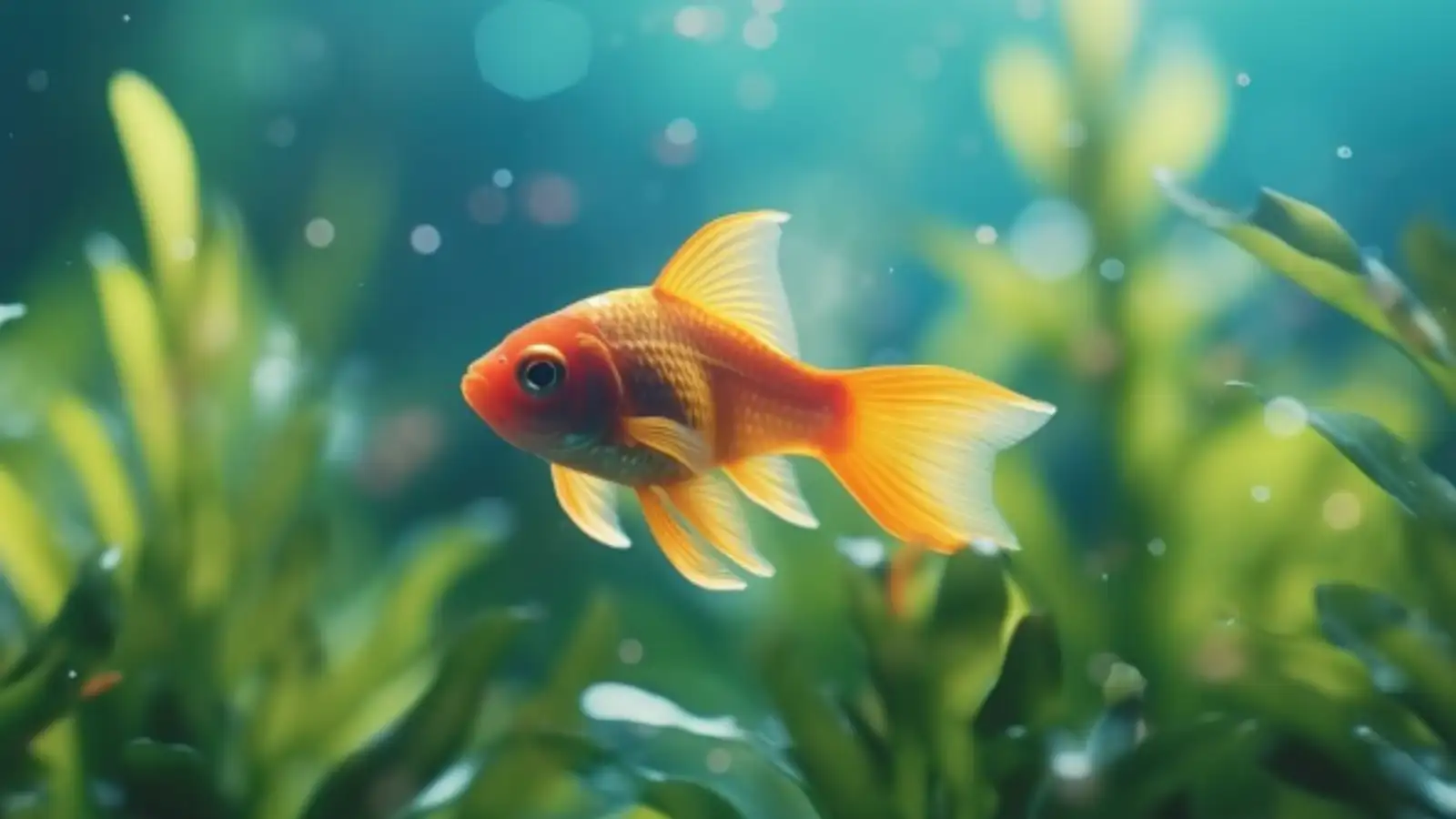
In reality, goldfish are intelligent, sensitive, and long-living aquarium fish that need proper care to thrive. Let’s break down the most common myths about goldfish and uncover the truth behind them.
Goldfish memory can last for weeks or even months. Studies and real-life observations show that goldfish can recognise their owners, remember feeding times, and learn simple routines. Many trained goldfish can follow cues, navigate small obstacles, and respond to familiar movements.
The three-second memory myth likely became popular because it made poor goldfish care seem harmless. However, goldfish are far more aware than people think.
Goldfish produce a significant amount of waste, which quickly pollutes the water in a bowl. Without proper filtration and space, toxins build up rapidly, causing stress, disease, and early death. Clean-looking water does not mean safe water.
Additionally, goldfish grow continuously. A cramped bowl restricts healthy development, often leading to internal damage rather than a “smaller fish.” Proper goldfish tank size is essential for their well-being.
Healthy goldfish need:
Goldfish may survive poor conditions temporarily, which reinforces this myth. However, survival is not the same as good health. Proper care allows goldfish to thrive, not just exist.
In truth, goldfish respond actively to their environment. An empty tank can lead to boredom and stress. Goldfish benefit from enrichment such as aquatic plants, gentle water movement, and objects to explore.
They are curious fish and often investigate changes in their tank. Some goldfish also do well with compatible tank mates, provided the aquarium is large enough and well-maintained.
With proper goldfish care, these fish can live 10 to 15 years, and sometimes even longer. Early death is usually the result of inadequate space, poor water quality, or lack of filtration—not natural ageing.
A goldfish dying within a year is common, but it is not normal. Understanding this difference is key to responsible pet ownership.
Their growth depends on factors like tank size, diet, and water quality. In spacious, clean environments, goldfish can grow surprisingly large. This often surprises owners who were told goldfish remain small forever.
This myth contributes to inadequate tank setups and is one of the main reasons goldfish are rehomed or neglected.
Goldfish may look simple, but they are anything but. Once you move past the myths, you’ll discover that goldfish are fascinating, interactive, and rewarding pets. A little extra effort and informed care can turn a misunderstood fish into a thriving companion for years to come.
In reality, goldfish are intelligent, sensitive, and long-living aquarium fish that need proper care to thrive. Let’s break down the most common myths about goldfish and uncover the truth behind them.
Myth 1: Goldfish Have a Three-Second Memory
One of the most repeated goldfish myths is that they can only remember things for three seconds. This is completely false.Goldfish memory can last for weeks or even months. Studies and real-life observations show that goldfish can recognise their owners, remember feeding times, and learn simple routines. Many trained goldfish can follow cues, navigate small obstacles, and respond to familiar movements.
The three-second memory myth likely became popular because it made poor goldfish care seem harmless. However, goldfish are far more aware than people think.
Myth 2: Keeping Goldfish in a Small Bowl Is Fine
The idea that a small bowl is suitable for goldfish is one of the most harmful misconceptions.Goldfish produce a significant amount of waste, which quickly pollutes the water in a bowl. Without proper filtration and space, toxins build up rapidly, causing stress, disease, and early death. Clean-looking water does not mean safe water.
Additionally, goldfish grow continuously. A cramped bowl restricts healthy development, often leading to internal damage rather than a “smaller fish.” Proper goldfish tank size is essential for their well-being.
Myth 3: Goldfish Are Low-Maintenance Pets
Goldfish are often marketed as easy starter pets, especially for children. While they don’t need daily walks or grooming, goldfish care still requires consistency.Healthy goldfish need:
- Clean, filtered water
- Regular water changes
- Adequate oxygen levels
- Stable temperatures
- Enough space to swim freely
Goldfish may survive poor conditions temporarily, which reinforces this myth. However, survival is not the same as good health. Proper care allows goldfish to thrive, not just exist.
Myth 4: Goldfish Don’t Get Bored or Stressed
Another common belief is that goldfish are decorative and emotionally unaffected by their surroundings.In truth, goldfish respond actively to their environment. An empty tank can lead to boredom and stress. Goldfish benefit from enrichment such as aquatic plants, gentle water movement, and objects to explore.
They are curious fish and often investigate changes in their tank. Some goldfish also do well with compatible tank mates, provided the aquarium is large enough and well-maintained.
Myth 5: Goldfish Only Live for a Year or Two
Many people believe goldfish have short lifespans, but this is far from accurate.With proper goldfish care, these fish can live 10 to 15 years, and sometimes even longer. Early death is usually the result of inadequate space, poor water quality, or lack of filtration—not natural ageing.
You may also like
- PNG vs LPG: Which Cooking Gas Option Is Safer, Cheaper and More Convenient for Homes?
- Petrol and Diesel Prices Today: Fresh Fuel Rates Released, Minor Changes Seen in Select Cities
- Why is this village in Maharashtra being called the Future of Rural India?
- Ayurveda and Traditional Knowledge in Contemporary Indian Discourse
- Quote of the day by Agatha Christie: “As life goes on it becomes tiring to keep up...”
A goldfish dying within a year is common, but it is not normal. Understanding this difference is key to responsible pet ownership.
Myth 6: Goldfish Stop Growing Once They Mature
Goldfish do not have a fixed adult size. They continue growing throughout their lives, though at a slower pace over time.Their growth depends on factors like tank size, diet, and water quality. In spacious, clean environments, goldfish can grow surprisingly large. This often surprises owners who were told goldfish remain small forever.
This myth contributes to inadequate tank setups and is one of the main reasons goldfish are rehomed or neglected.
Why Goldfish Myths Continue to Exist
Most myths about goldfish persist because they make pet ownership seem convenient and effortless. They reduce a living, responsive animal into something easy to overlook.- Goldfish are not disposable pets. They are intelligent aquarium fish that feel stress, respond to care, and live long lives when treated properly.
- By questioning outdated advice and learning the truth about goldfish care, owners can dramatically improve their pets’ quality of life.
Goldfish may look simple, but they are anything but. Once you move past the myths, you’ll discover that goldfish are fascinating, interactive, and rewarding pets. A little extra effort and informed care can turn a misunderstood fish into a thriving companion for years to come.






More from our partners


Loving Newspoint? Download the app now
