
Growing Strong With Yoga For Children And How It Builds Healthy Minds And Bodies Early

The Power Of Yoga For Children In Building Flexibility Focus And Lifelong Healthy Habits: In today’s fast-paced and increasingly digital world, children are exposed to constant stimulation, academic pressure, and reduced physical activity. As a result, parents and educators are looking for holistic ways to support both physical health and emotional wellbeing. Yoga for children has emerged as a valuable practice that goes beyond exercise. Rooted in ancient tradition yet highly relevant today, yoga offers a balanced approach to nurturing the body and mind. Its gentle movements, breathing techniques, and focus on awareness make it especially suitable for growing children.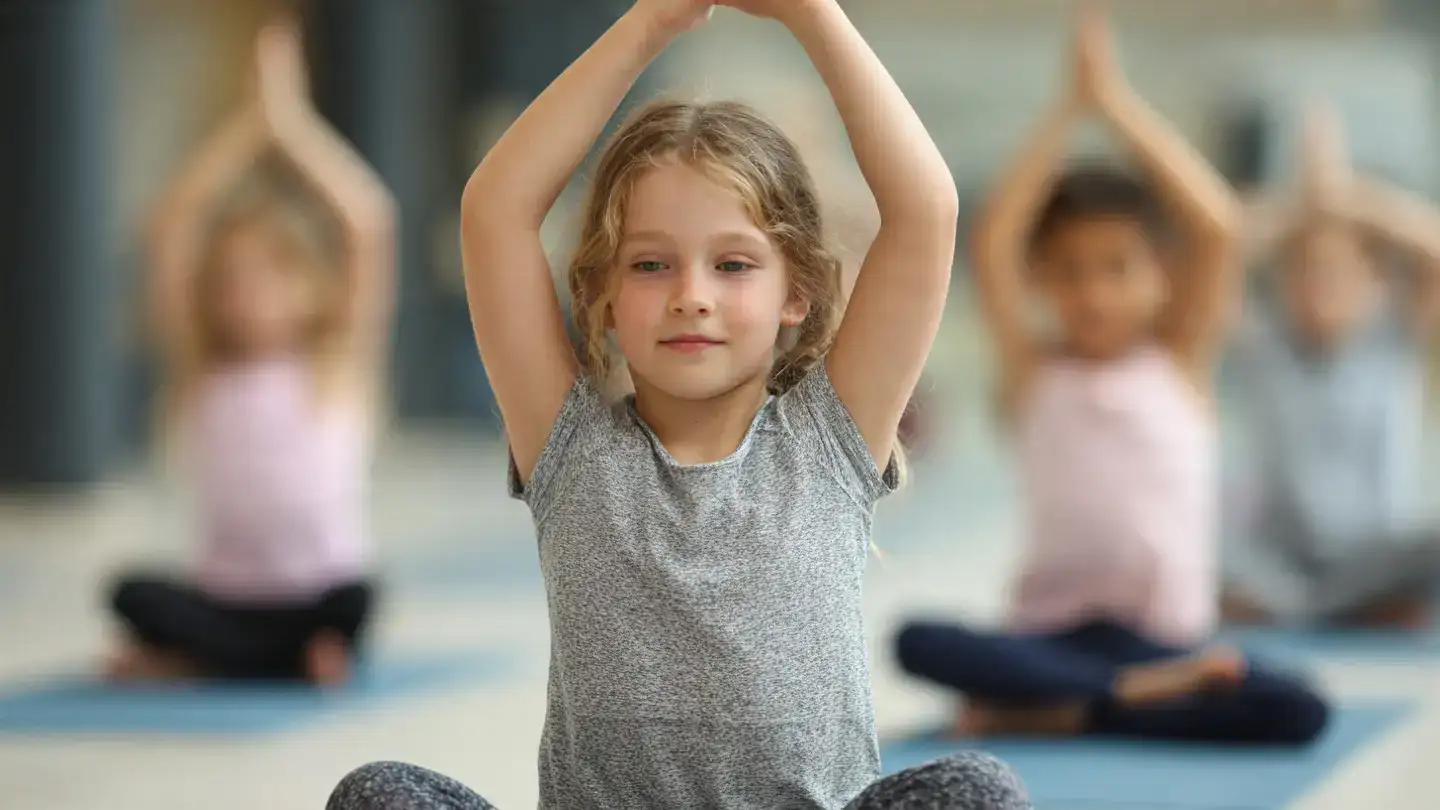
Simple poses help develop flexibility, balance, and coordination. Over time, children become more aware of their bodies and posture. This can be particularly helpful in preventing issues caused by long hours of sitting, such as poor spinal alignment or muscle stiffness.
Regular practice also supports healthy growth by enhancing circulation and promoting overall body strength without putting excessive pressure on joints.
Breathing exercises and mindful movements encourage children to stay present. This ability to focus can translate into better performance in school and other activities.
By learning how to control their breath and calm their thoughts, children develop mental clarity. Over time, this can lead to improved memory, better problem-solving skills, and increased confidence in handling tasks.
Through relaxation techniques and guided breathing, children learn how to cope with challenging emotions. This is especially valuable in today’s environment, where even young individuals face academic and social pressures.
Yoga also fosters a sense of inner calm and self-awareness. Children become more in tune with their feelings, which helps them respond to situations more thoughtfully rather than react impulsively.
Yoga also teaches patience and perseverance. As children work on improving their poses, they learn that progress takes time and effort. This mindset can positively influence other areas of life, including studies and extracurricular activities.
In addition, yoga promotes better sleep patterns. Relaxation techniques help calm the mind before bedtime, leading to deeper and more restful sleep.
Group yoga sessions can also enhance social interaction. Children learn to practise together, follow instructions, and respect each other’s space. This creates a supportive environment that encourages teamwork and empathy.
As children become more comfortable with their abilities, they gain a stronger sense of self-worth. This confidence often extends beyond the yoga mat into everyday life.
As awareness grows around children's fitness and yoga, more parents and educators are recognising its value. By introducing yoga at an early age, children can develop habits that contribute to a healthier and more balanced life.
The journey of yoga for children is not about perfection but about progress. With regular practice, it becomes a powerful tool for building strength, focus, and emotional resilience, helping children grow into healthier and more confident individuals.
Image Courtesy: Meta AI
Building Physical Strength And Flexibility
One of the most visible benefits of yoga for children is improved physical fitness. Unlike intense sports that may strain young muscles, yoga encourages gradual strengthening through controlled movements.Simple poses help develop flexibility, balance, and coordination. Over time, children become more aware of their bodies and posture. This can be particularly helpful in preventing issues caused by long hours of sitting, such as poor spinal alignment or muscle stiffness.
Regular practice also supports healthy growth by enhancing circulation and promoting overall body strength without putting excessive pressure on joints.
Enhancing Focus And Concentration
Children often struggle with attention, especially in environments filled with distractions. Yoga introduces them to techniques that improve concentration in a natural and engaging way.Breathing exercises and mindful movements encourage children to stay present. This ability to focus can translate into better performance in school and other activities.
By learning how to control their breath and calm their thoughts, children develop mental clarity. Over time, this can lead to improved memory, better problem-solving skills, and increased confidence in handling tasks.
Supporting Emotional Wellbeing
Emotional health is just as important as physical development. Yoga provides children with tools to manage stress, anxiety, and mood swings.Through relaxation techniques and guided breathing, children learn how to cope with challenging emotions. This is especially valuable in today’s environment, where even young individuals face academic and social pressures.
Yoga also fosters a sense of inner calm and self-awareness. Children become more in tune with their feelings, which helps them respond to situations more thoughtfully rather than react impulsively.
Encouraging Discipline And Healthy Habits
Practising yoga regularly helps children develop discipline and consistency. Even short daily sessions can instil a routine that promotes long-term healthy habits.Yoga also teaches patience and perseverance. As children work on improving their poses, they learn that progress takes time and effort. This mindset can positively influence other areas of life, including studies and extracurricular activities.
In addition, yoga promotes better sleep patterns. Relaxation techniques help calm the mind before bedtime, leading to deeper and more restful sleep.
Boosting Confidence And Social Skills
Yoga is not a competitive activity, which makes it inclusive and accessible for children of all abilities. This non-competitive nature helps build self-confidence, as children focus on their own progress rather than comparing themselves with others.Group yoga sessions can also enhance social interaction. Children learn to practise together, follow instructions, and respect each other’s space. This creates a supportive environment that encourages teamwork and empathy.
As children become more comfortable with their abilities, they gain a stronger sense of self-worth. This confidence often extends beyond the yoga mat into everyday life.
A Simple Practice With Lasting Impact
The beauty of yoga lies in its simplicity. It does not require expensive equipment or specialised spaces, making it easy to incorporate into daily routines. Whether practised at home or in school, yoga offers lasting benefits that support overall development.As awareness grows around children's fitness and yoga, more parents and educators are recognising its value. By introducing yoga at an early age, children can develop habits that contribute to a healthier and more balanced life.
The journey of yoga for children is not about perfection but about progress. With regular practice, it becomes a powerful tool for building strength, focus, and emotional resilience, helping children grow into healthier and more confident individuals.
Image Courtesy: Meta AI
Next Story