
Growth Is Lonely: Why Earned Confidence Looks Like Ego to the Insecure


Earned confidence does not begin as confidence. It begins as humiliation. It begins as being overlooked. As being the one not chosen. As loving people who did not love you back with the same steadiness. As trying and failing in front of people who were waiting for you to fail. The one who lay awake at 2:17 a.m. staring at the ceiling, replaying conversations and wondering, “Was I too much? Not enough? Did I ruin it?” Confidence started with self-doubt so loud it felt like a second voice living in your chest. In the private reckoning.
The Night You Realized No One Was Coming
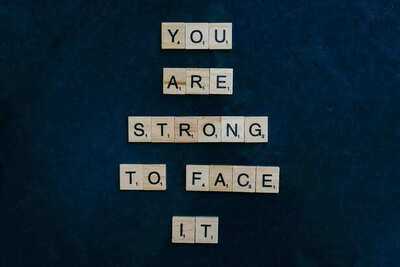
There is a specific kind of pain that builds clarity. It’s the day you finally understood: No one is coming to rescue you. People may love you. But they cannot carry you through your own becoming. People see the finished posture. They don’t see what died to create it. A version of you had to die:
The version that over-explained.
The version that chased reassurance.
The version that tolerated subtle disrespect because it feared being alone.
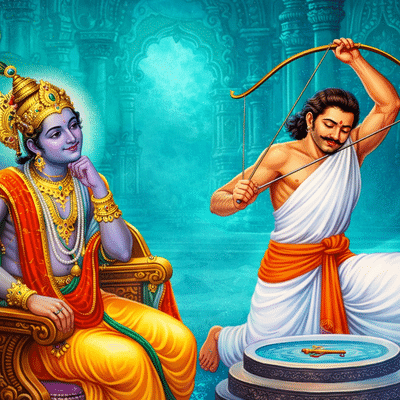
You just got tired. Tired of explaining your hurt. Tired of asking to be understood. Tired of shrinking. That exhaustion That was the birthplace of your strength. The Gita speaks of detachment as transcendence - the shedding of false identification. You are not your failures. Not your praise. Not even your roles. But shedding is painful. And to someone who never allowed themselves to grieve their illusions, your steadiness feels unnatural. Because they are still bargaining with their pain.
Fear of Disappearance
When you begin to grow, you don’t just improve your life, you disrupt silent agreements. There was once a version of you that fit neatly into someone else’s comfort. That version made others feel stable. Necessary. Slightly ahead. But growth rearranges roles. For someone whose identity quietly depended on being needed by you, your evolution feels like erasure. If you no longer orbit them, who are they in your sky? If you no longer doubt yourself, where do they place their certainty?
If you came from the same environment, same limitations, same wounds and you changed, then stagnation is no longer inevitable. It becomes a choice. And that is terrifying. Because now your existence poses a silent question: “If they can evolve, why haven’t I?” Insecurity at its deepest level is not hatred of you. It is avoidance of that question. So the mind protects itself the only way it knows how, by reframing your growth as a flaw.
“You’re intense.”
“You’re too much.”
“You think you’re better.”
Those statements are not observations. They are stabilizers. They attempt to shrink you back into psychological proportion. If you are “arrogant,” then they do not need to examine themselves. If you are “cold,” then they do not need to confront their dependence on emotional chaos. If you are “different,” then they can stay the same.
The Decision Not to Become Cruel

When you’ve been mistreated, you gain the ability to hurt people precisely. You know where insecurity lives. You know what abandonment feels like. You know which words cut. Real strength is not that you can’t wound. It’s that you choose not to. At that stage, something shifts in your perception. You stop being naive. And with the loss of naivety comes an edge. You see motives more clearly. You detect insecurity faster. You anticipate betrayal sooner. It is not paranoia, it is pattern recognition.
When you see more than others see, you can begin to silently judge them for not seeing it. The deeper discipline is not just refraining from cruelty toward others. It is refusing internal contempt. Because cruelty does not always look like yelling or humiliation. Sometimes it looks like quiet dismissal. Like deciding someone is beneath your effort. Like reducing people to their flaws. The Gita’s teaching of acting without attachment is not only about outcomes, it is about identity. Acting without being inflated by insight. Without making your awareness a throne. Real strength is not only choosing not to wound. It is choosing not to dehumanize. It is saying:
“I see your immaturity and I will not weaponize it.”
“I see your insecurity and I will not build my superiority on it.”
“I see the pattern and I will respond cleanly, not condescendingly.”
The Loneliness No One Talks About
Confidence is not believing you will always win. It is knowing you will handle whatever happens. That is a very different thing. It is born from: Surviving betrayal. Starting over. You become less reactive because you trust yourself. You no longer beg for crumbs. And people who still feed on crumbs call that “ego.” Growth isolates. Not because you think you’re better. But because you can’t unknow what you know now. You can’t laugh at disrespect anymore. You can’t unsee manipulation. You can’t go back to pretending crumbs are a feast.
And sometimes that means sitting alone on a Friday night, wondering if strength is worth the quiet. It means watching friendships fade because you stopped being the emotional caretaker. It means realizing some people only loved the version of you that needed them. That realization hurts. Like something pulling away from your ribs. And here’s the part that stings most: You still care. You still wish it could have worked. You still sometimes question if softening your standards would bring people back. But you don’t. That restraint is not ego. It is self-respect fighting loneliness and winning.
The Deepest Layer: Freedom

The Gita ultimately points toward liberation - freedom from compulsive reaction, from ego-identity, from the need to control outcomes. When you become clear, you are less controllable. And systems - social, familial, even professional - often rely on control. You are harder to manipulate when:
You don’t fear being alone.
You don’t fear losing approval.
You don’t fear starting again.
Clarity removes leverage. That is why it can feel like a curse. But it is also why it is sacred. Sometimes, you will misjudge yourself too. Ego never questions itself. If you are reflecting, you are not lost. And finally: The deepest confidence is not in being right. It is in being rooted. Rooted people sway in storms but do not uproot themselves to fit the wind. You integrated your pain instead of letting it poison you. There is no frantic energy in you anymore. And frantic people are unsettled by calm. Because calm exposes how much of their identity is built on reaction. And people who once felt secure in your self-doubt may feel destabilized by your certainty. It’s not that you intimidate them. It’s that you no longer participate in insecurity rituals.
The Night You Realized No One Was Coming
Clarity begins when rescue stops and responsibility starts.
There is a specific kind of pain that builds clarity. It’s the day you finally understood: No one is coming to rescue you. People may love you. But they cannot carry you through your own becoming. People see the finished posture. They don’t see what died to create it. A version of you had to die:
The version that chased reassurance.
The version that tolerated subtle disrespect because it feared being alone.
You just got tired. Tired of explaining your hurt. Tired of asking to be understood. Tired of shrinking. That exhaustion That was the birthplace of your strength. The Gita speaks of detachment as transcendence - the shedding of false identification. You are not your failures. Not your praise. Not even your roles. But shedding is painful. And to someone who never allowed themselves to grieve their illusions, your steadiness feels unnatural. Because they are still bargaining with their pain.
Fear of Disappearance
When you begin to grow, you don’t just improve your life, you disrupt silent agreements. There was once a version of you that fit neatly into someone else’s comfort. That version made others feel stable. Necessary. Slightly ahead. But growth rearranges roles. For someone whose identity quietly depended on being needed by you, your evolution feels like erasure. If you no longer orbit them, who are they in your sky? If you no longer doubt yourself, where do they place their certainty?
If you came from the same environment, same limitations, same wounds and you changed, then stagnation is no longer inevitable. It becomes a choice. And that is terrifying. Because now your existence poses a silent question: “If they can evolve, why haven’t I?” Insecurity at its deepest level is not hatred of you. It is avoidance of that question. So the mind protects itself the only way it knows how, by reframing your growth as a flaw.
“You’re too much.”
“You think you’re better.”
Those statements are not observations. They are stabilizers. They attempt to shrink you back into psychological proportion. If you are “arrogant,” then they do not need to examine themselves. If you are “cold,” then they do not need to confront their dependence on emotional chaos. If you are “different,” then they can stay the same.
The Decision Not to Become Cruel
Your growth threatens identities built around your smallness.
When you’ve been mistreated, you gain the ability to hurt people precisely. You know where insecurity lives. You know what abandonment feels like. You know which words cut. Real strength is not that you can’t wound. It’s that you choose not to. At that stage, something shifts in your perception. You stop being naive. And with the loss of naivety comes an edge. You see motives more clearly. You detect insecurity faster. You anticipate betrayal sooner. It is not paranoia, it is pattern recognition.
When you see more than others see, you can begin to silently judge them for not seeing it. The deeper discipline is not just refraining from cruelty toward others. It is refusing internal contempt. Because cruelty does not always look like yelling or humiliation. Sometimes it looks like quiet dismissal. Like deciding someone is beneath your effort. Like reducing people to their flaws. The Gita’s teaching of acting without attachment is not only about outcomes, it is about identity. Acting without being inflated by insight. Without making your awareness a throne. Real strength is not only choosing not to wound. It is choosing not to dehumanize. It is saying:
“I see your insecurity and I will not build my superiority on it.”
“I see the pattern and I will respond cleanly, not condescendingly.”
The Loneliness No One Talks About
Confidence is not believing you will always win. It is knowing you will handle whatever happens. That is a very different thing. It is born from: Surviving betrayal. Starting over. You become less reactive because you trust yourself. You no longer beg for crumbs. And people who still feed on crumbs call that “ego.” Growth isolates. Not because you think you’re better. But because you can’t unknow what you know now. You can’t laugh at disrespect anymore. You can’t unsee manipulation. You can’t go back to pretending crumbs are a feast.
And sometimes that means sitting alone on a Friday night, wondering if strength is worth the quiet. It means watching friendships fade because you stopped being the emotional caretaker. It means realizing some people only loved the version of you that needed them. That realization hurts. Like something pulling away from your ribs. And here’s the part that stings most: You still care. You still wish it could have worked. You still sometimes question if softening your standards would bring people back. But you don’t. That restraint is not ego. It is self-respect fighting loneliness and winning.
The Deepest Layer: Freedom
Regulated energy unsettles those addicted to chaos.
The Gita ultimately points toward liberation - freedom from compulsive reaction, from ego-identity, from the need to control outcomes. When you become clear, you are less controllable. And systems - social, familial, even professional - often rely on control. You are harder to manipulate when:
You don’t fear losing approval.
You don’t fear starting again.
Clarity removes leverage. That is why it can feel like a curse. But it is also why it is sacred. Sometimes, you will misjudge yourself too. Ego never questions itself. If you are reflecting, you are not lost. And finally: The deepest confidence is not in being right. It is in being rooted. Rooted people sway in storms but do not uproot themselves to fit the wind. You integrated your pain instead of letting it poison you. There is no frantic energy in you anymore. And frantic people are unsettled by calm. Because calm exposes how much of their identity is built on reaction. And people who once felt secure in your self-doubt may feel destabilized by your certainty. It’s not that you intimidate them. It’s that you no longer participate in insecurity rituals.
Next Story