
'Half the world is lakeer ka fakeer': Kailash Kher REACTS to viral memes and his candid takes


Singer Kailash Kher has unexpectedly become a favourite on social media, thanks to his quirky clips turning into viral meme templates. From his “haha hehe huhu zuzu” moment to his takes on everyday conversations, the musician’s videos continue to circulate widely online. Whether he is questioning casual greetings or drawing unusual comparisons, his candid style has struck a chord with internet users.
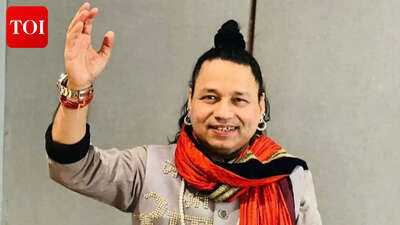
According to Hindustan Times, reacting to the buzz, Kailash Kher explained that his remarks stem from a deeper cultural perspective. He expressed that asking someone “How are you” often feels unnecessary and repetitive, as people tend to respond automatically without genuine intent. According to him, traditional Indian greetings like pranam or namaskar carry more meaning and authenticity. He believes such casual exchanges have become “frivolous” and deserve to be questioned.
Acknowledging his viral presence, the singer admitted that his serious expressions sometimes unintentionally add to the humour. He shared that being spiritually inclined often reflects in his tone, which meme creators pick up on. However, he remarked that “half the world has turned into lakeer ka fakeer,” suggesting that many people follow routine patterns without self-awareness. Despite this, he has learned to laugh along and embrace the online attention.
Kailash Kher's viral moment from AgraEarlier this year, another video of Kailash Kher gained traction from a live performance in Agra. During the show, he playfully addressed the audience, asking, “Can I get a Shambhu? Can I get a Shiv Shambhu?” before breaking into laughter as fans responded enthusiastically. He went on to highlight how devotion to Mahadev has transcended borders, noting that people across the world are invoking God in their own languages.
In the same moment, Kailash humorously pointed out how phrases like “Can I get a Shambhu?” sound almost like asking for a commodity. He used this to underline the global influence of Indian spirituality while encouraging the audience to embrace their roots. Ending on a spirited note, he urged the crowd to chant “Har Har Mahadev,” calling it the “original and desi style” of expression that connects people deeply to their culture.
According to Hindustan Times, reacting to the buzz, Kailash Kher explained that his remarks stem from a deeper cultural perspective. He expressed that asking someone “How are you” often feels unnecessary and repetitive, as people tend to respond automatically without genuine intent. According to him, traditional Indian greetings like pranam or namaskar carry more meaning and authenticity. He believes such casual exchanges have become “frivolous” and deserve to be questioned.
Acknowledging his viral presence, the singer admitted that his serious expressions sometimes unintentionally add to the humour. He shared that being spiritually inclined often reflects in his tone, which meme creators pick up on. However, he remarked that “half the world has turned into lakeer ka fakeer,” suggesting that many people follow routine patterns without self-awareness. Despite this, he has learned to laugh along and embrace the online attention.
Kailash Kher's viral moment from AgraEarlier this year, another video of Kailash Kher gained traction from a live performance in Agra. During the show, he playfully addressed the audience, asking, “Can I get a Shambhu? Can I get a Shiv Shambhu?” before breaking into laughter as fans responded enthusiastically. He went on to highlight how devotion to Mahadev has transcended borders, noting that people across the world are invoking God in their own languages.
In the same moment, Kailash humorously pointed out how phrases like “Can I get a Shambhu?” sound almost like asking for a commodity. He used this to underline the global influence of Indian spirituality while encouraging the audience to embrace their roots. Ending on a spirited note, he urged the crowd to chant “Har Har Mahadev,” calling it the “original and desi style” of expression that connects people deeply to their culture.
Next Story